









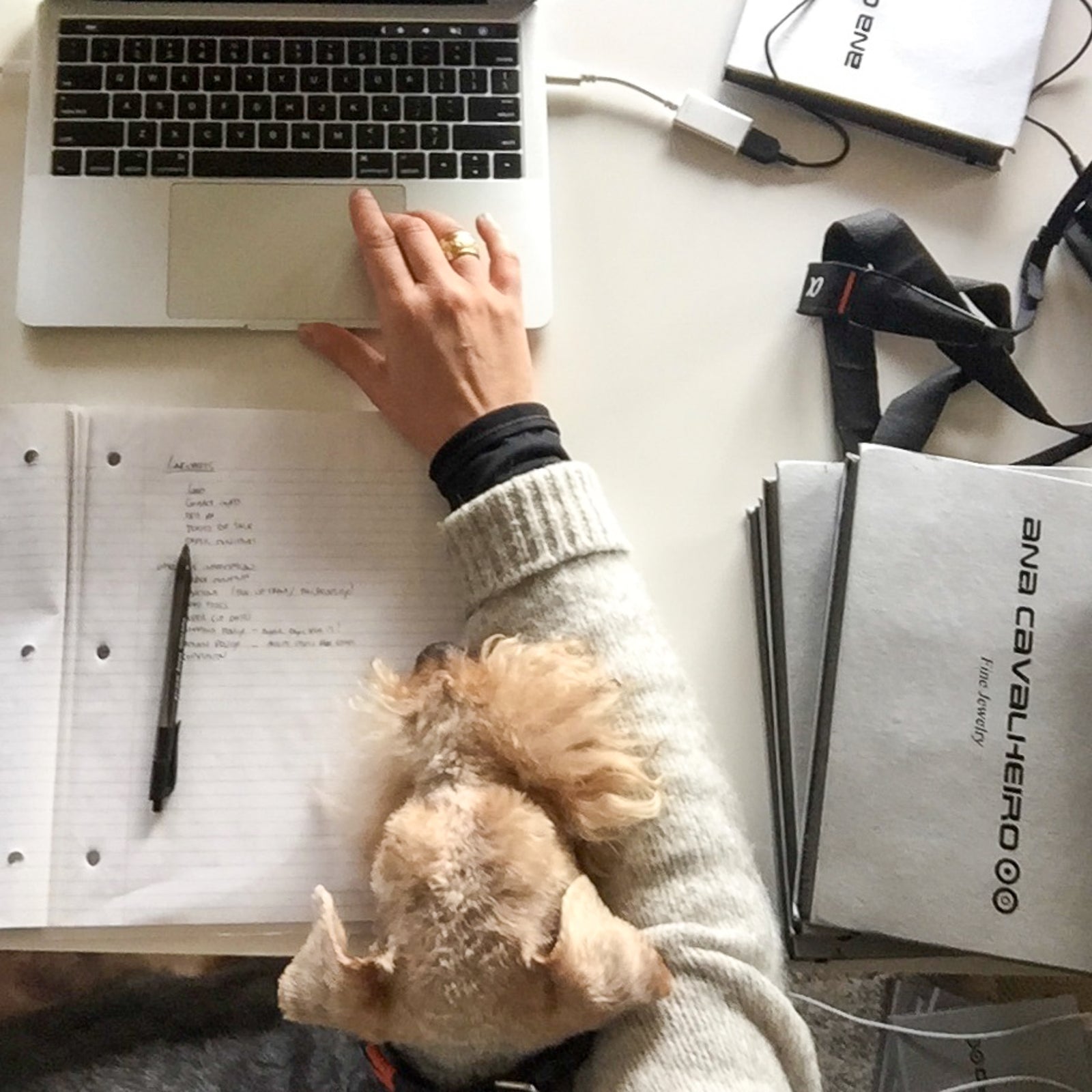


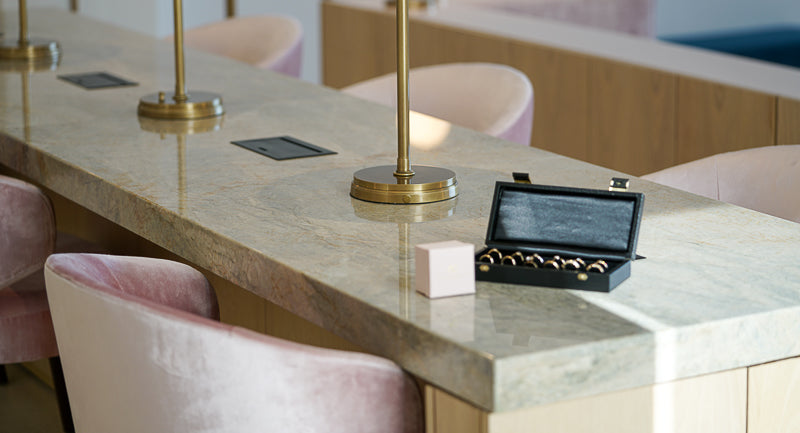

People assume a bespoke piece starts with a sketch. It doesn't. It starts with a conversation, usually a fairly unstructured one, where I'm doing more listening than talking. By the time I pick up a pencil, most of the important decisions have already been made — I just haven't drawn them yet. That first meeting can happen in the studio over coffee, or on a call if someone's not local, and either way I try to keep it loose. No forms, no checklist handed across the table. Just questions, and a lot of room for someone to think out loud.
In that first meeting, I'm not asking "what do you want it to look like." Most people can't answer that, and honestly, if they could, they probably wouldn't need me. Instead I ask about the person the piece is for: how they live, whether they work with their hands, whether they already lean toward delicate or bold, whether there's a stone or an old piece of jewelry already in the picture. I'll ask to see inspiration images if someone has them, but I care less about the exact ring in the photo and more about what drew them to it — the color, the proportion, a particular kind of quiet versus a particular kind of statement. Budget comes up early too, not as a limitation but as a design parameter, the same way I'd think about metal weight or stone size. Clients are sometimes surprised I want to talk about money in the first conversation, but a range early on saves everyone from falling in love with a direction that doesn't fit.

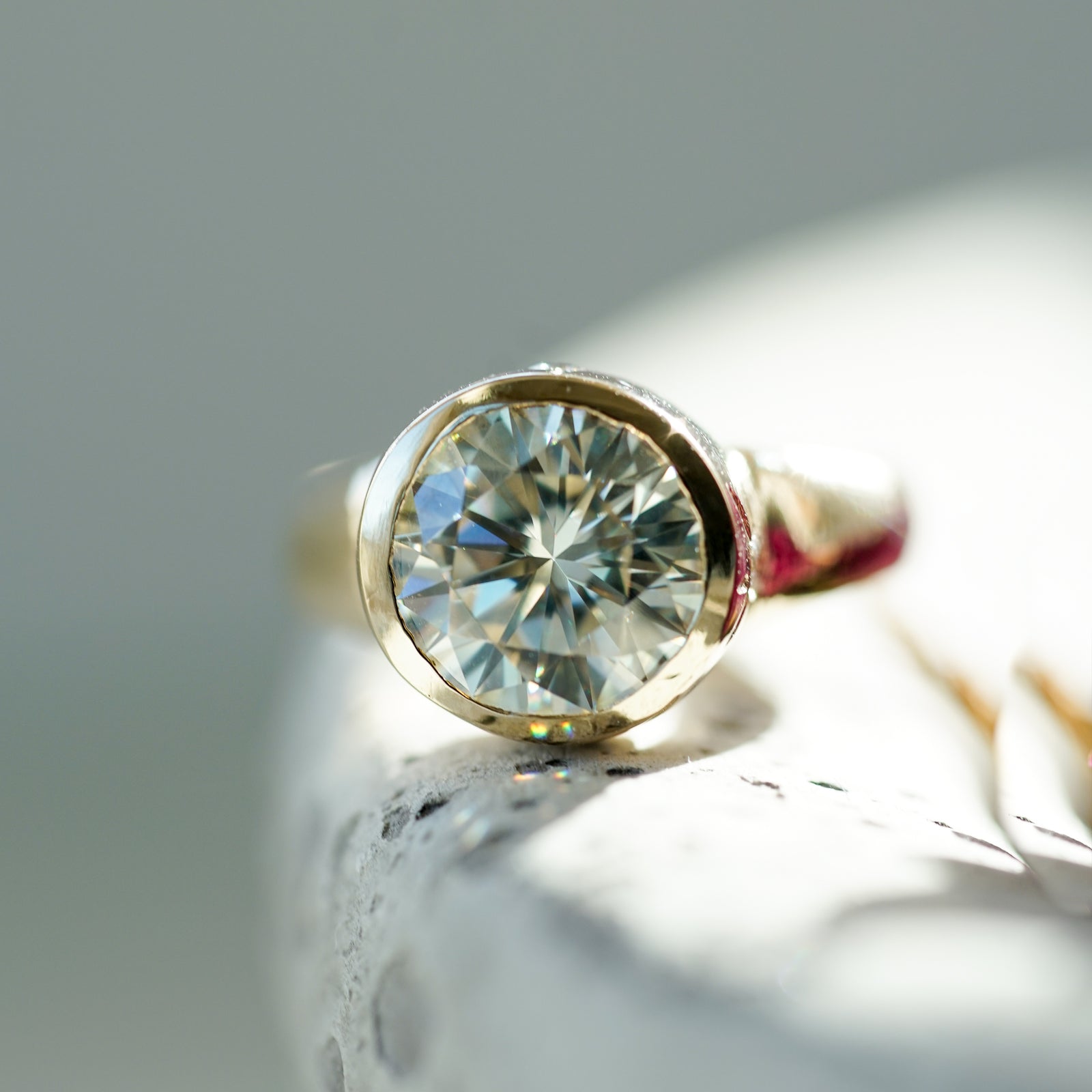
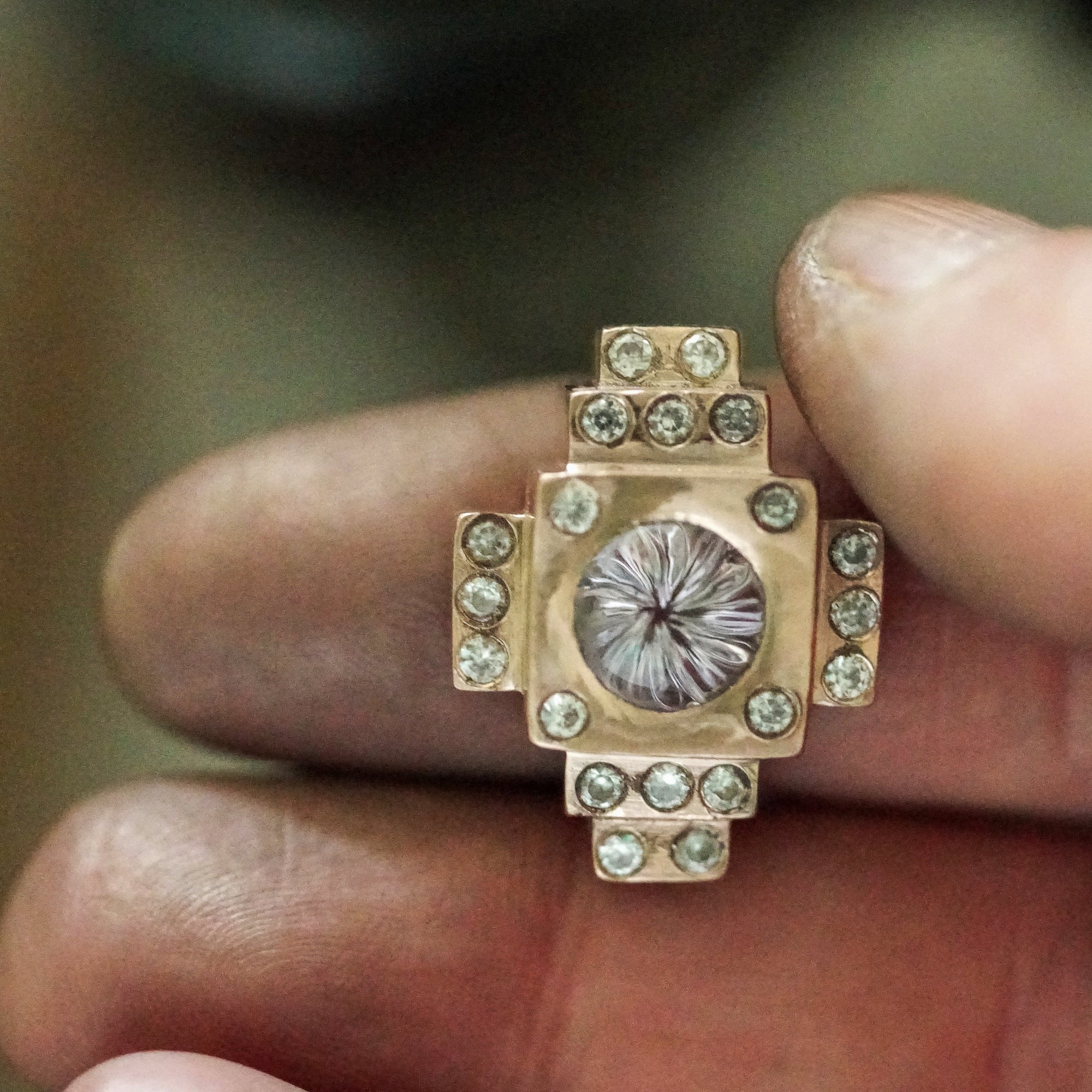
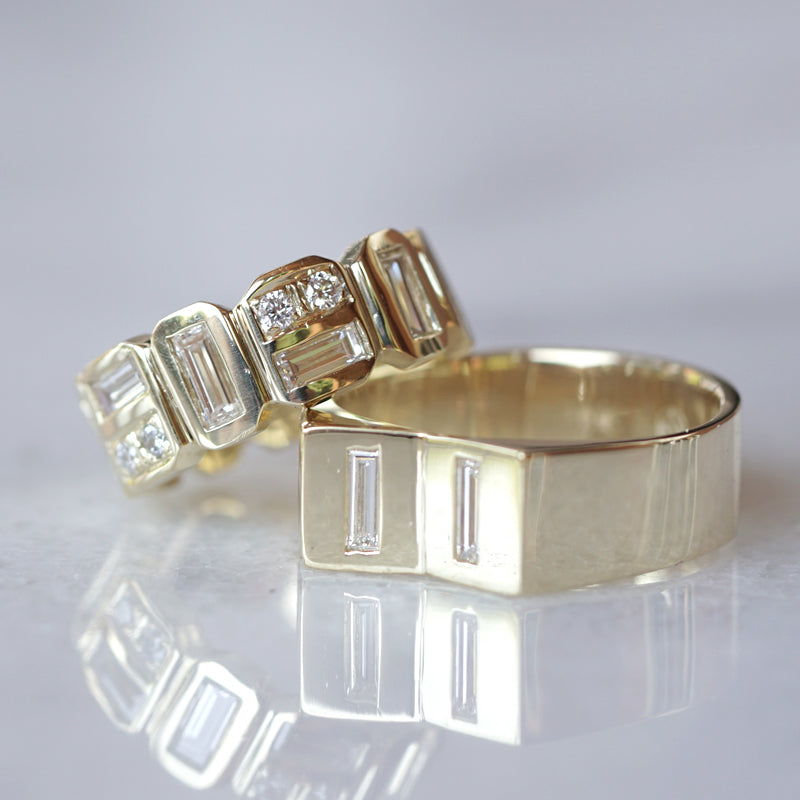
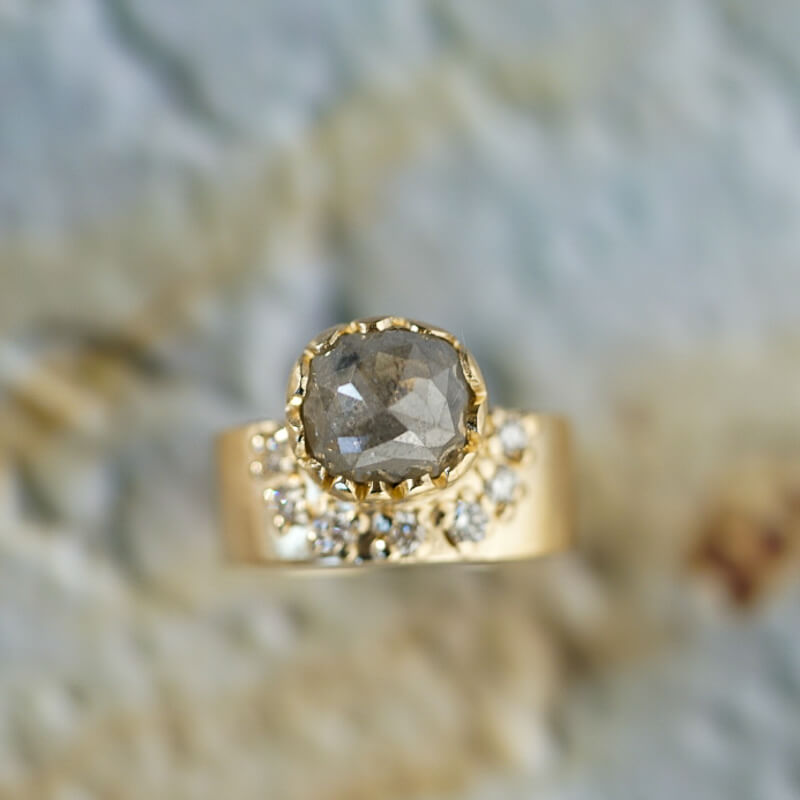
What comes out of that conversation isn't a design yet — it's a direction. A direction might sound like: warm gold, a low-profile setting because she gardens, a stone with movement rather than perfect clarity, something that reads modern but not cold. That's already a lot of information, even though no one said a single word about millimeters or carats. My job in that first session is to translate feeling into constraints, because constraints are what make a design possible. Infinite options don't produce a ring. A clear direction does. I usually leave that meeting with a short list of words and images rather than anything resembling a drawing — and that's exactly as it should be at this stage.
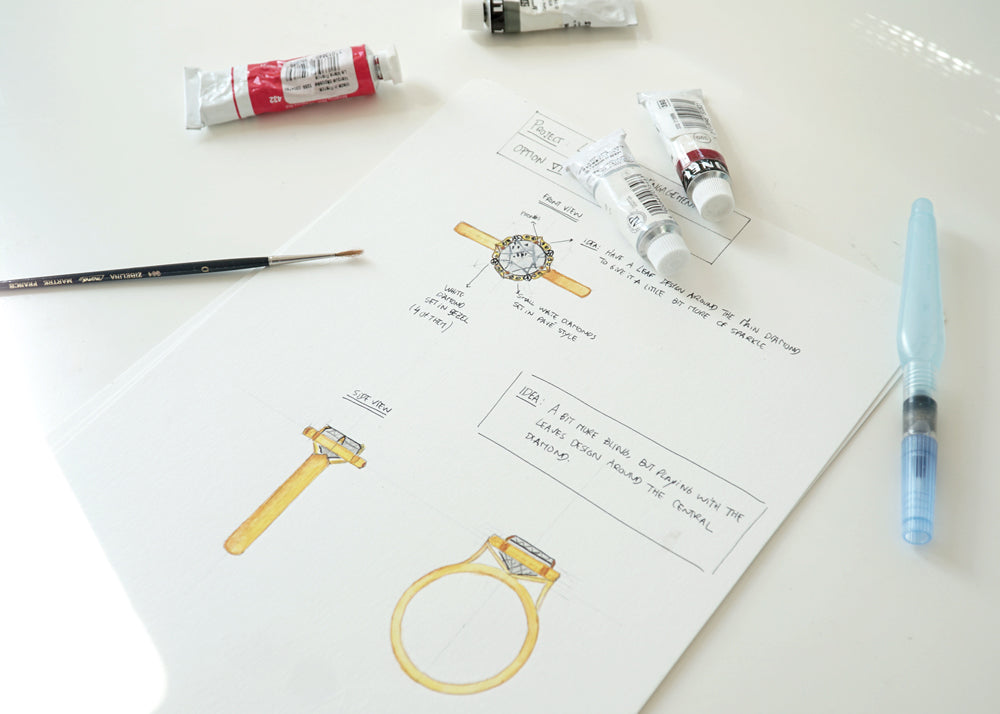
The technical and the emotional sides show up together more than people expect. Someone will mention their grandmother's hands, or a trip, or a stone that's been sitting in a drawer for a decade, and in the same breath I'm already thinking about durability, setting style, whether that stone can be reused as-is or needs to be recut. Both things are happening at once — I'm holding the story and I'm holding the engineering. That's really the whole job. A first sketch usually comes a few weeks after that initial conversation, and it's rarely final. It's a way of checking whether I heard the direction correctly before we go any further, and it's normal for it to shift once someone sees a shape on paper for the first time. That back-and-forth isn't a delay in the process — it is the process.
What I like most about this stage is how much it reveals before anyone commits to anything. A good first conversation tells both of us whether a project is going to work — whether the direction is clear enough to build on, whether the budget and the vision are realistic together, whether there's a story worth designing around. Sometimes that clarity comes fast. Sometimes it takes a second meeting. Either way, nothing moves to wax or metal until the direction feels solid to both of us.
If you're circling the idea of a custom piece and aren't sure where to start, that's exactly what the first conversation is for — you don't need a fully formed idea, just a willingness to talk it through. I'd love to see what you have and talk through what might be possible. You can reach out to set up a consultation, or browse a bit of my work at anacavalheiro.com.



Leave a comment (all fields required)