

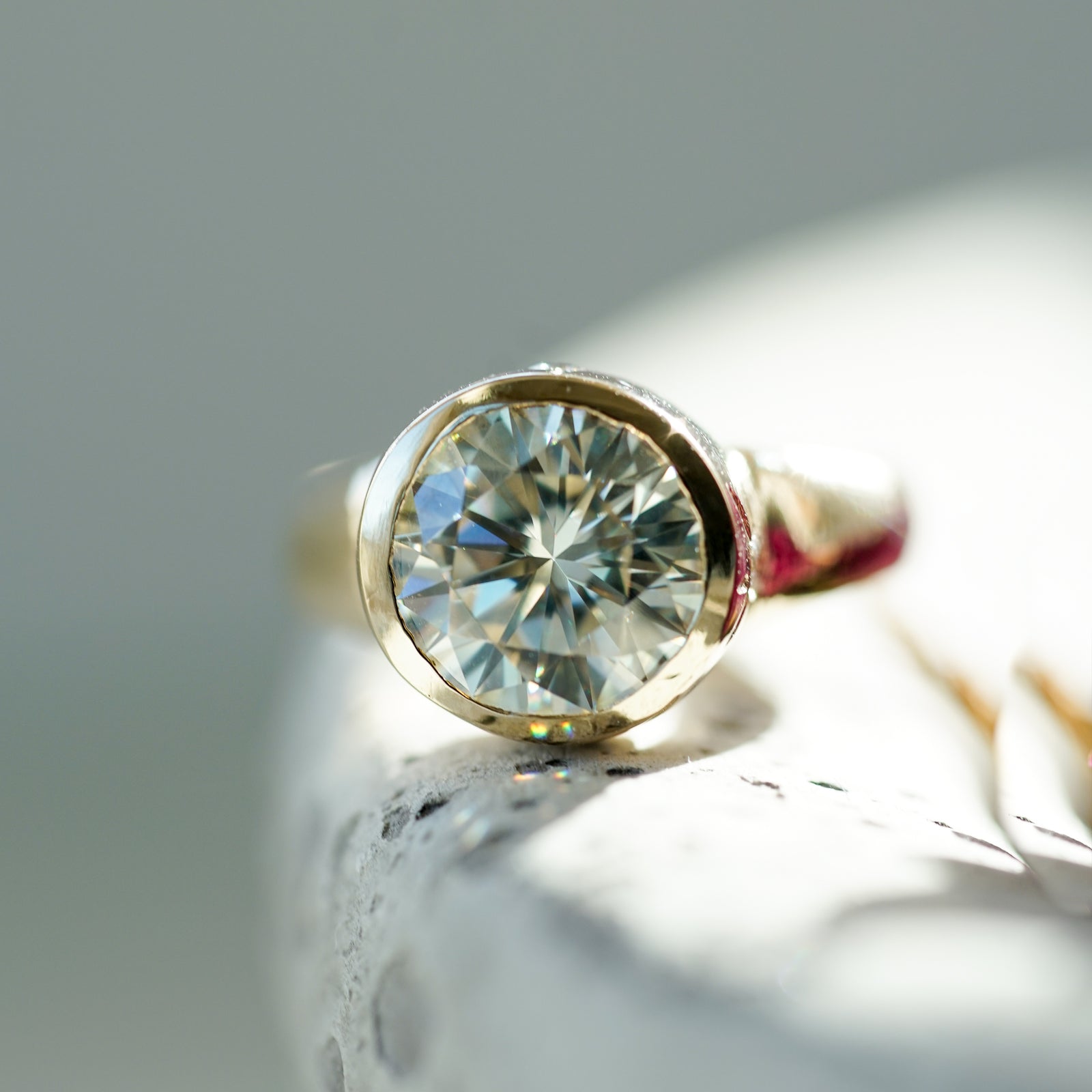

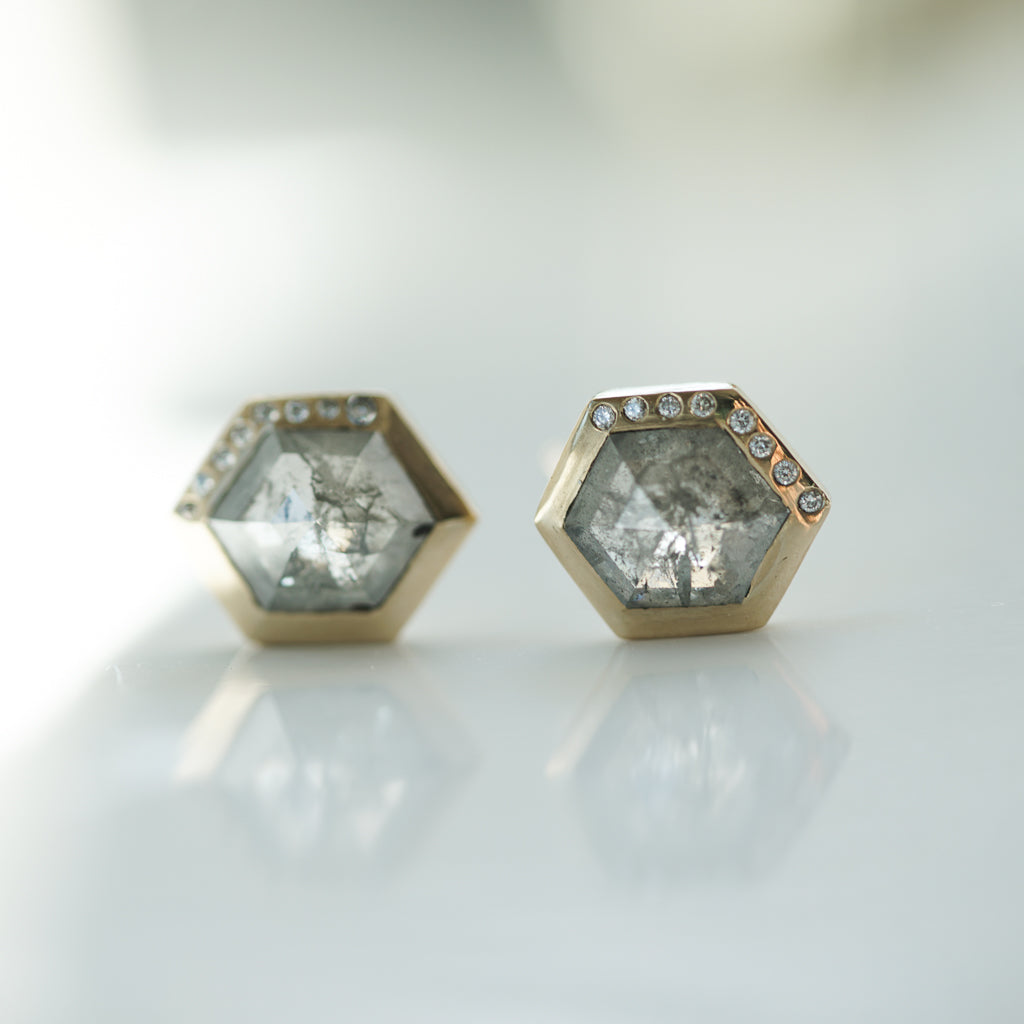

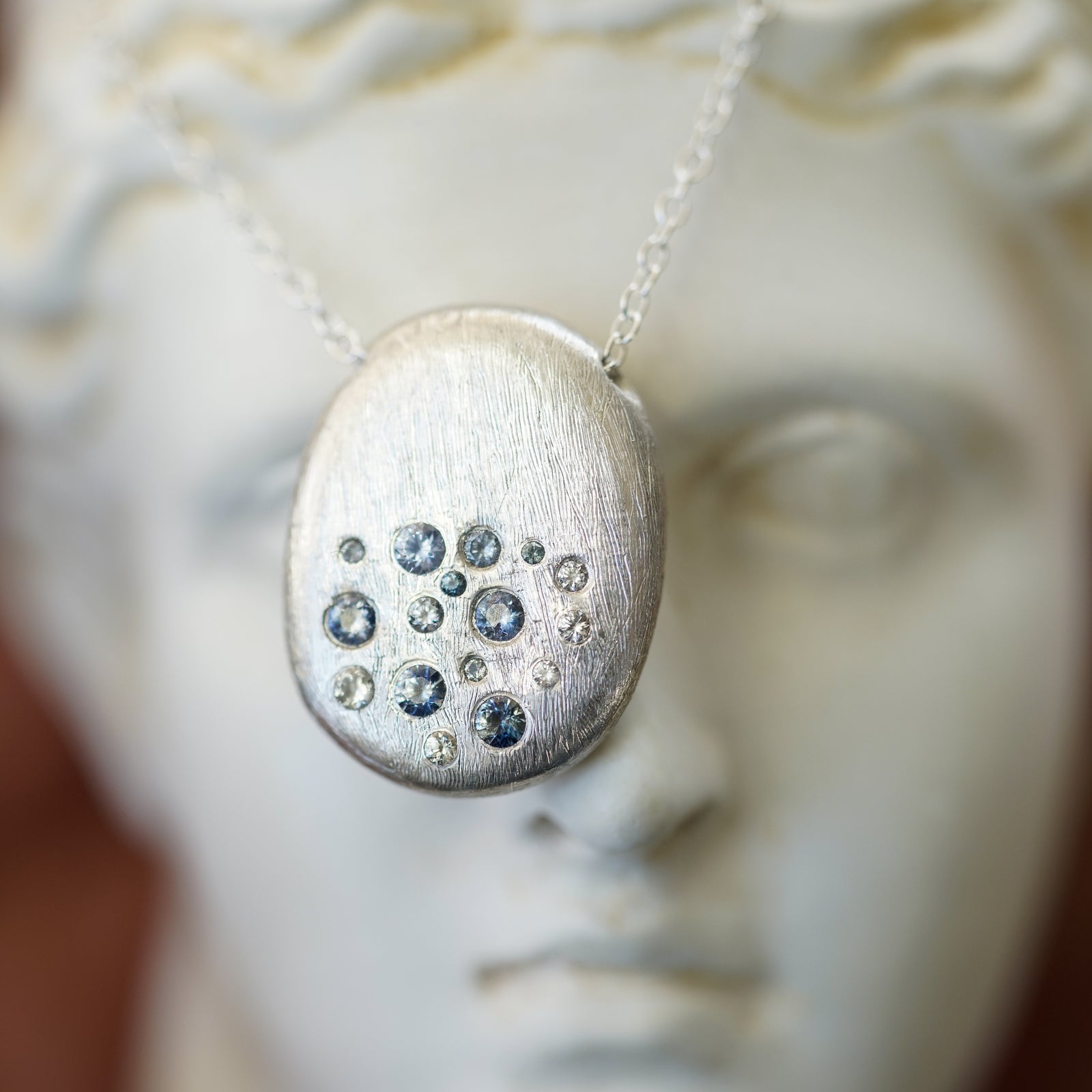

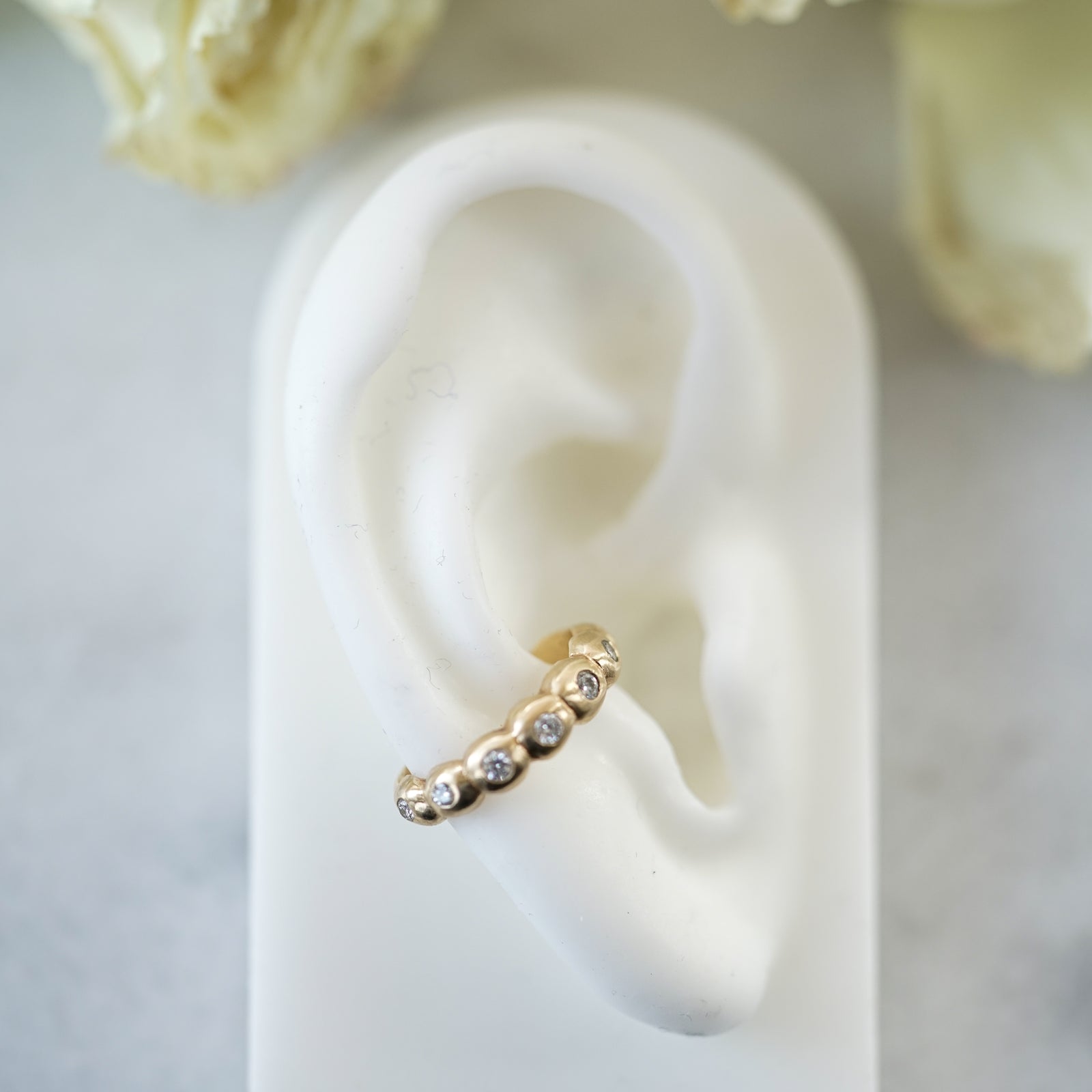




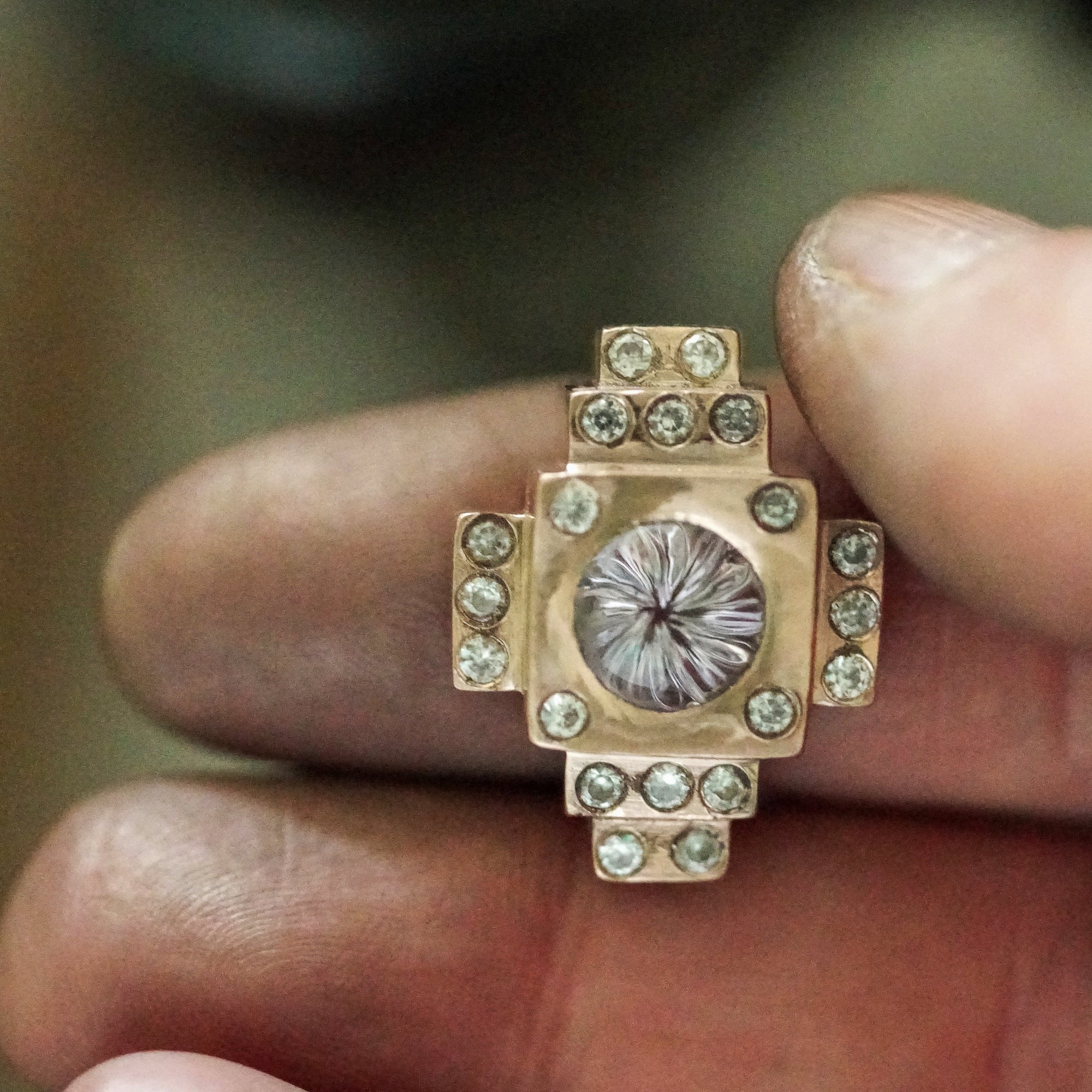
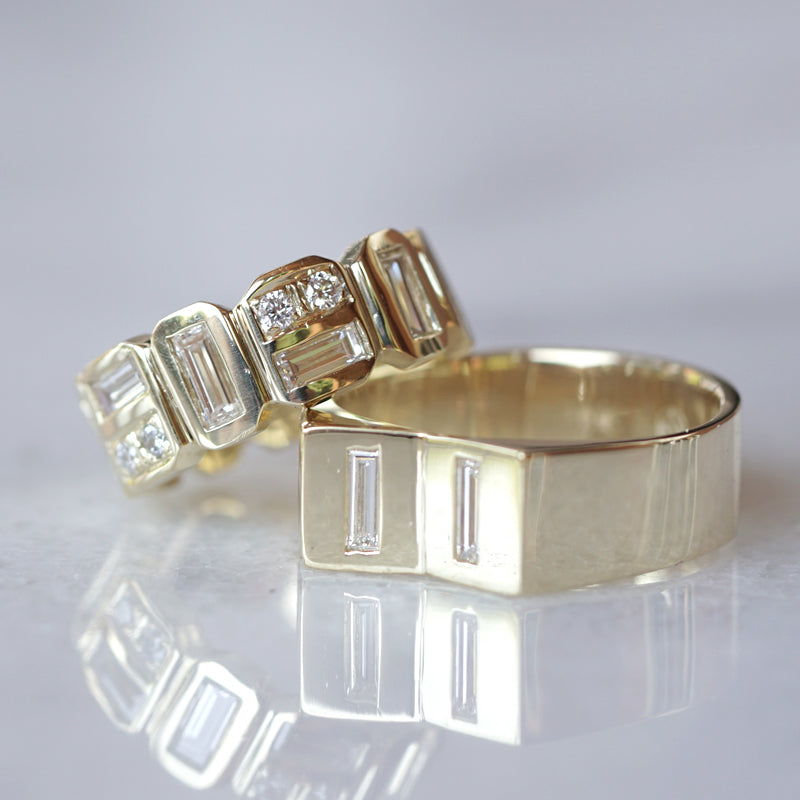

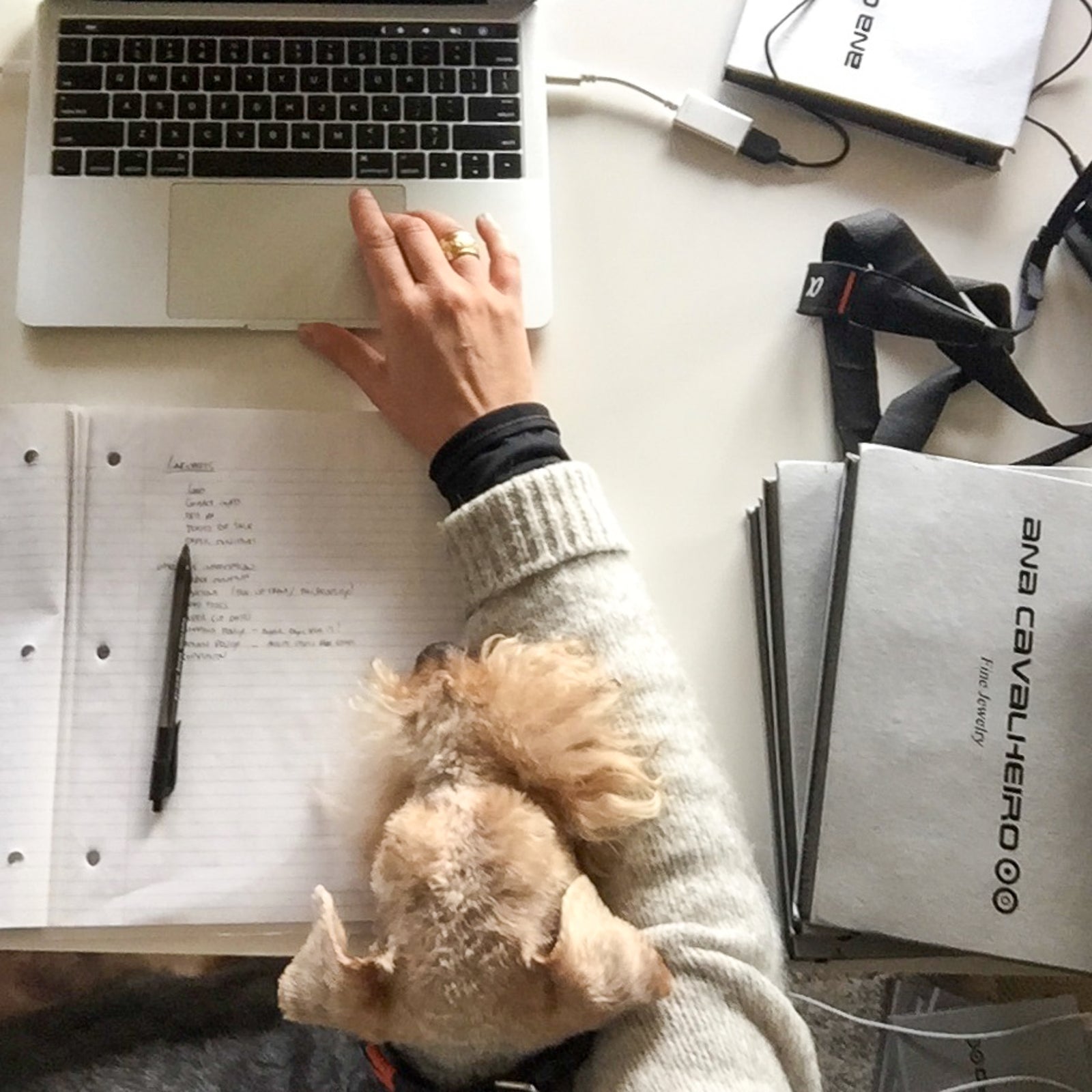

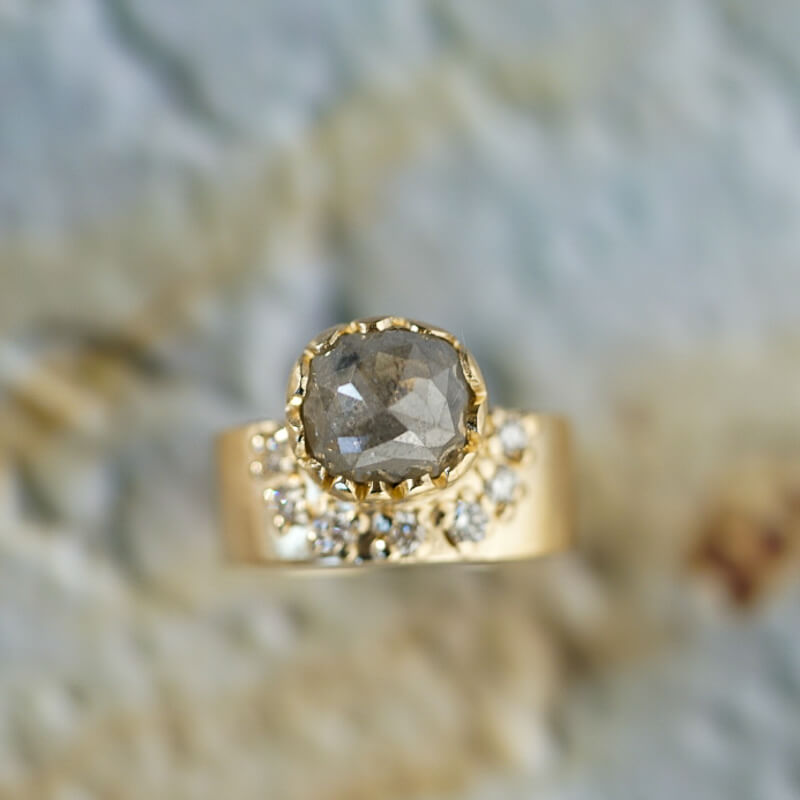

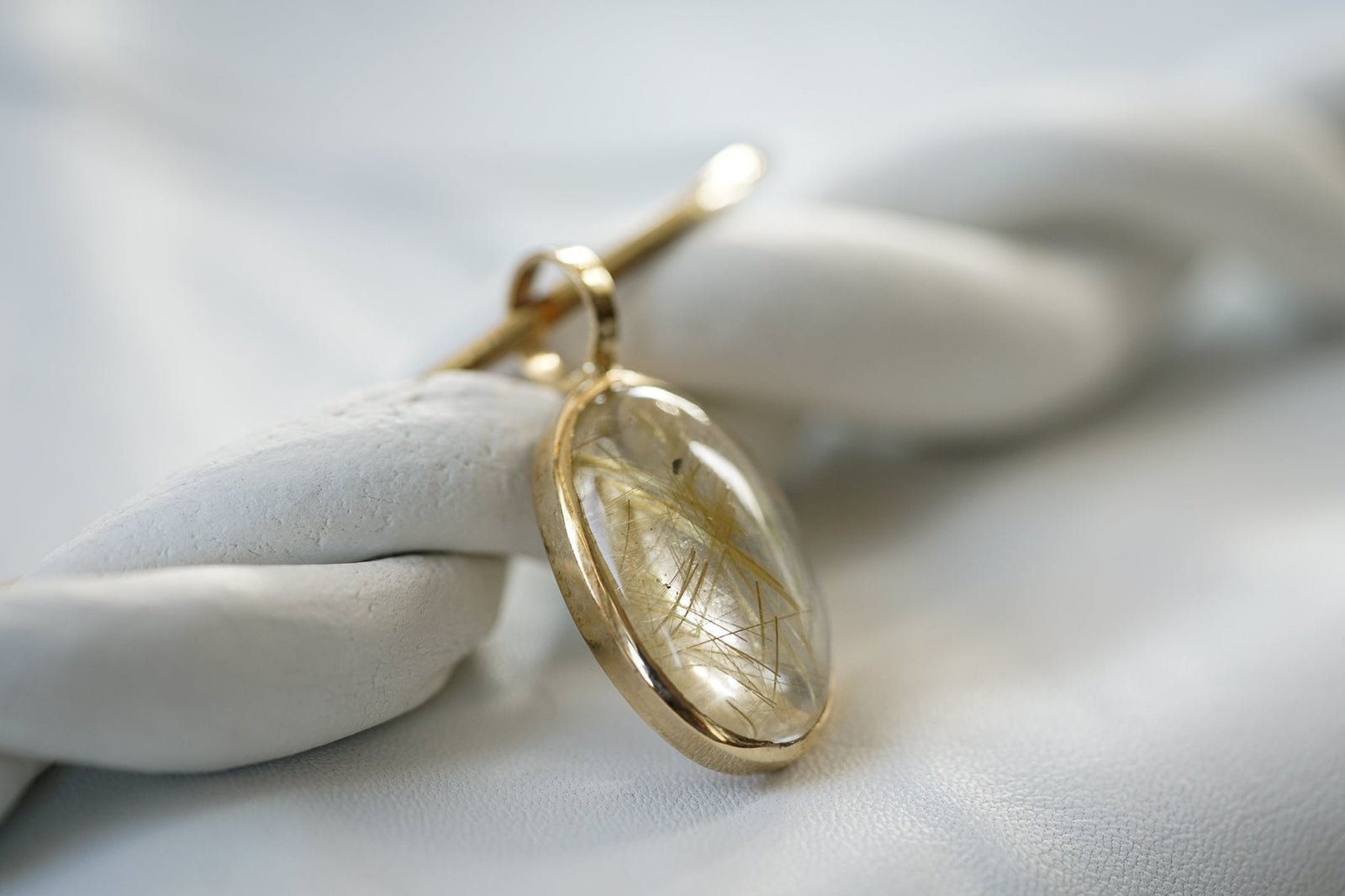

Most people's experience with jewelry is a price tag on a case. And the thought is that it's always a big number because it involves gold and precious gemstones. But the truth is that bespoke jewelry work doesn't come with a tag, it comes with so many other things and layers that I think it's worth pulling back the curtain discuss what it actually covers.
A while back, a client came to me with her mother's pearl and citrine brooch. Lovely piece but unfortunately the kind of piece that lives in a drawer. Maybe it will have a comeback but nowadays nobody pins a brooch to their coat anymore (and assuming we're wearing more serious coats and blazers like we did before). She wanted it reborn as a pendant she'd actually wear. And that sounds like a simple thing to do. You remove the pin mechanism, you put a bail in there and that's done. That is assuming that you like the pin in the first place. When you sit down and start asking questions, deeper questions, you start learning things about yourself (the client) and how you envision wearing that piece. Over 2 meetings running each close to two hours, we talked through what everyday wear meant to her, if she wants to use both mother of pearl and citrine, if both gems are in good shape to be removed from their original settings and be reset. Usually there are wear marks, chips or cracks, bruises on the mother of pearl. And do you want to go to the gym with it, do you want it to be dressed up, do you want to forget all together that you're wearing a necklace?

This leads to more technical conversations: what type of setting should be used given your lifestyle and fragility of the stones (the mother of pearl in particular), what thickness and style of chain, how big should the bail be in case you want to switch that pendant to another chain or leather cord. None of this is guesswork, it's a series of small technical decisions, each one weighed against the others, and each one taking real time to work through together.
That's most of what a design is paying for: the meetings themselves, yes, but the thinking that happens in them. We have to decide whether the new mount sits better in the original 18K yellow gold or whether a sterling silver frame, oxidized for contrast, actually suits the citrine better and fits her current style better. Silver is gentler on a budget, but it patinas and softens over time in a way gold doesn't. So that's a conversation clients need to have before we start, not after. Sourcing may come into place too, even on a "just use what's there" project, sometimes a stone doesn't survive the journey from brooch to pendant intact, and I need to source a close match without the client feeling like they lost a piece of the original.
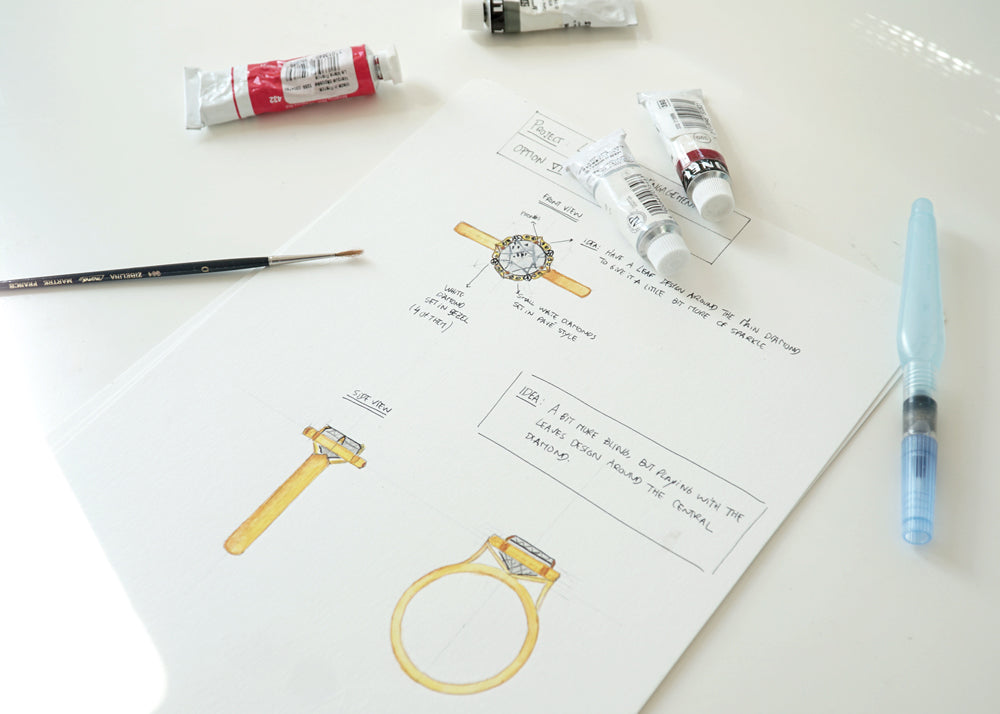
Then there's the part clients don't always expect: the design doesn't stop once they say yes to a sketch. We move into wax — I carve or create a metal model of the new setting and either have the client try it on in person or ship it to them so they can feel the weight and see the proportions on their own body before anything is cast or final. It's common for a piece to go through two or three rounds of this, small adjustments each time: the bail sits a touch too high, the pendant swings the wrong way when she moves. That back-and-forth, the shipping, the waiting, the re-carving, is design work too, even though it happens after the "creative" part feels finished. It's also where a lot of the problem-solving actually pays off, because it's much easier to shave a millimeter off a wax model than to fix a cast piece after the fact.
None of this is unique to a brooch-to-pendant project — I've walked through the same kind of decision-making on a pair of earrings built from a grandfather's cufflinks, and on a wedding band where the "simple" request turned out to have four rounds of proportion tweaks before it felt right. The design fee is really a fee for attention: for sitting with a client's story long enough to understand what they actually want, and then doing the technical work, twice over if needed, to get it right before a single ounce of metal is melted. And if I can put this in any other way, this avoids that I charge by the hour and make the piece go out of budget so quickly just because of the amount of time we spend talking about your very special piece to be.
If you've got a piece sitting in a drawer that you keep meaning to do something with, I'd love to hear about it. You can reach out to set up a consultation, or browse a bit of my work at anacavalheiro.com.



Leave a comment (all fields required)