



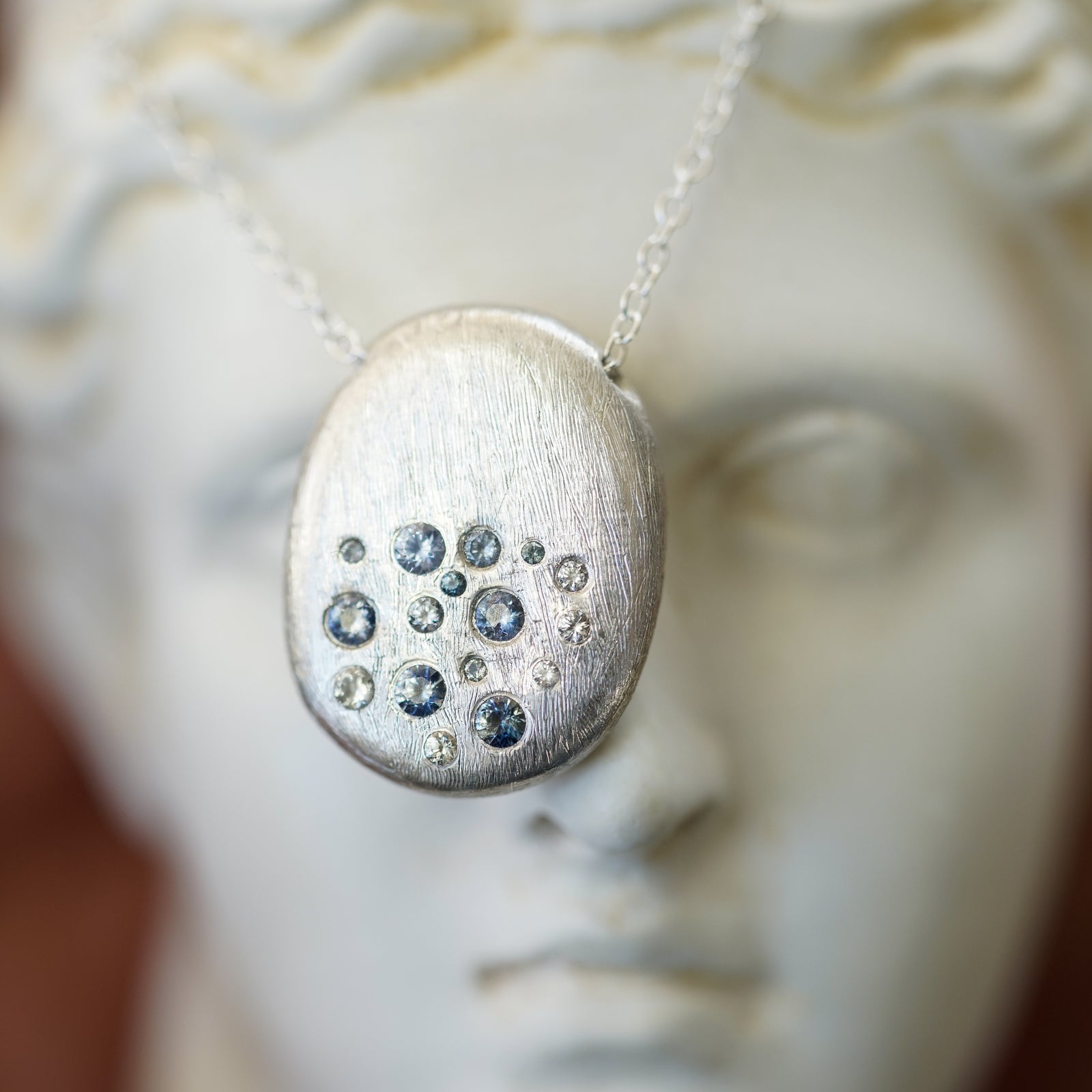



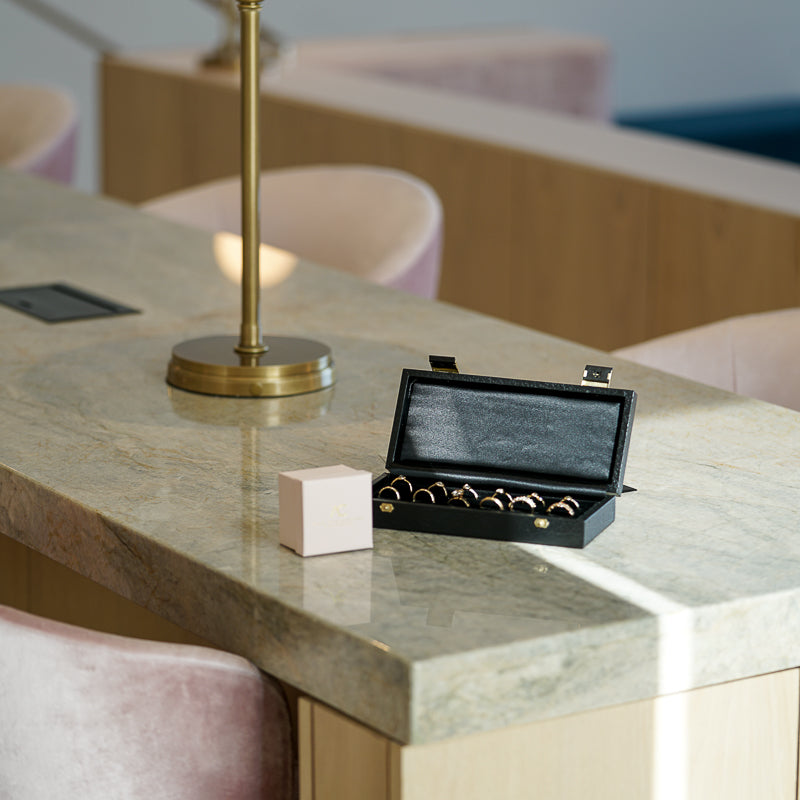


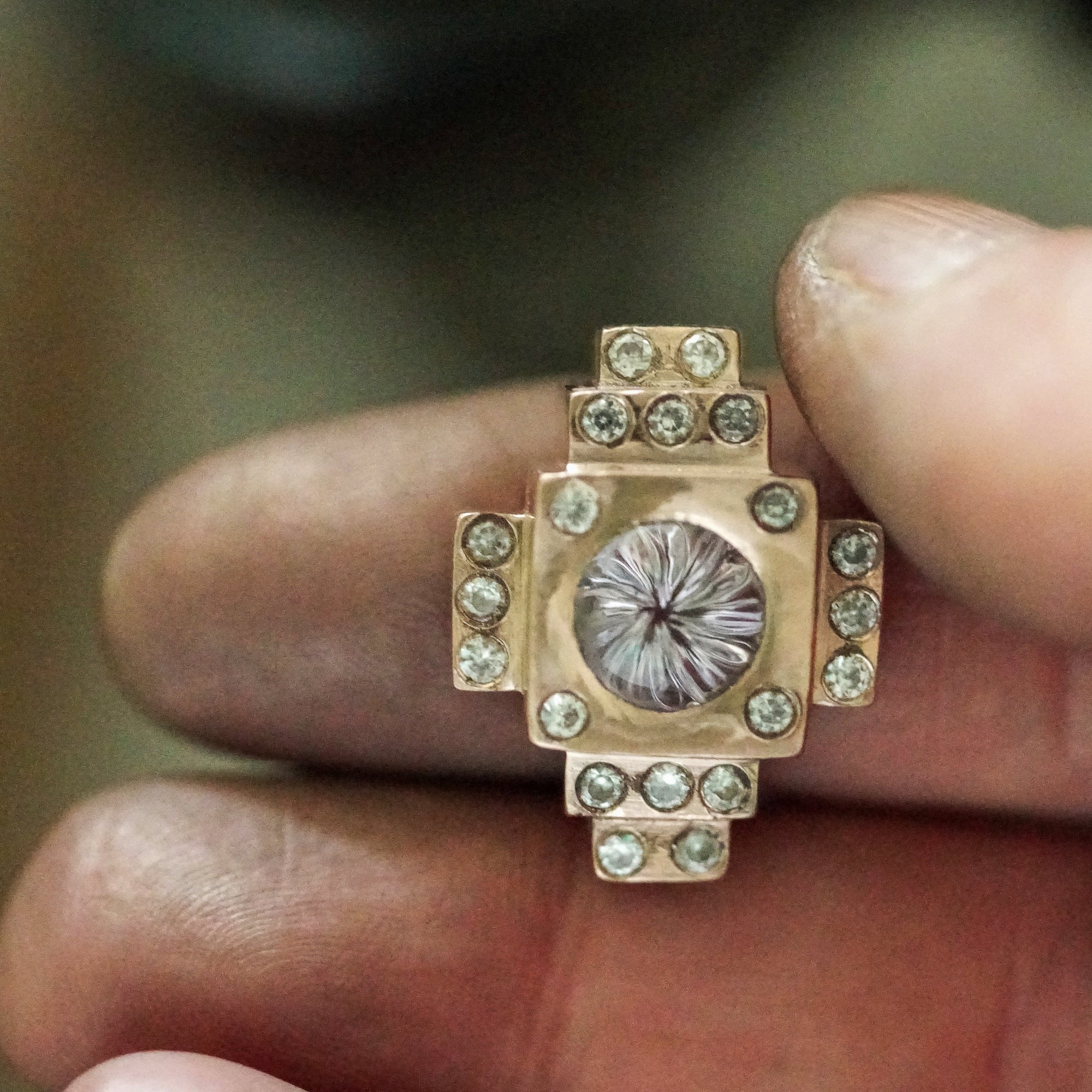
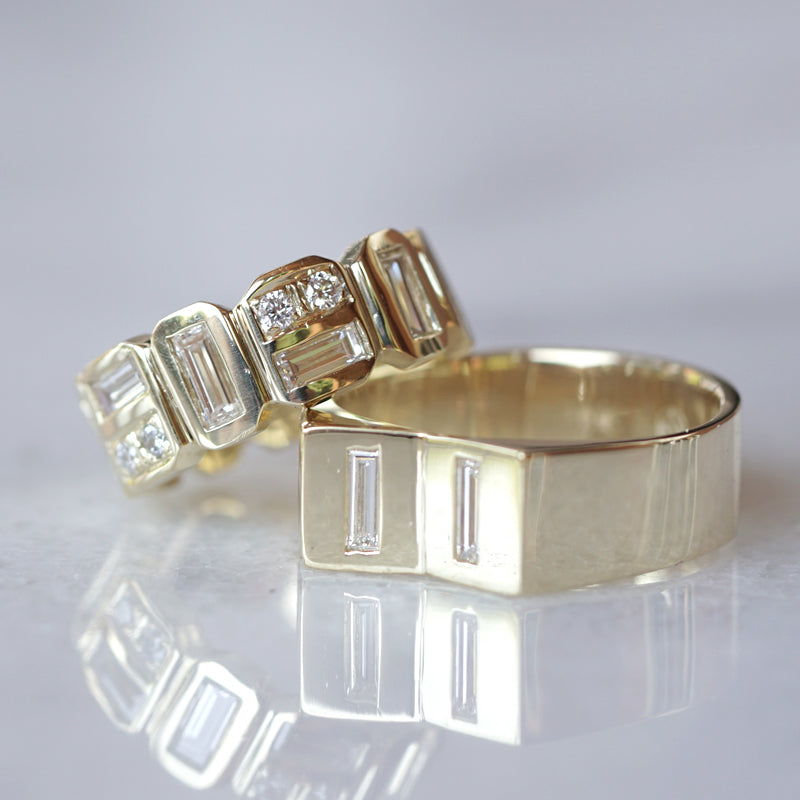


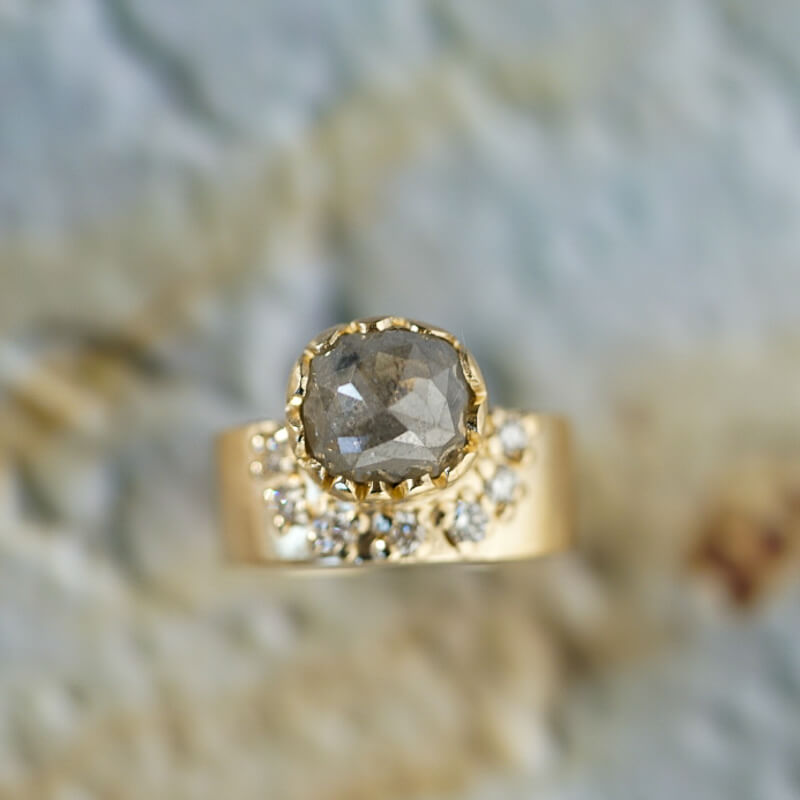

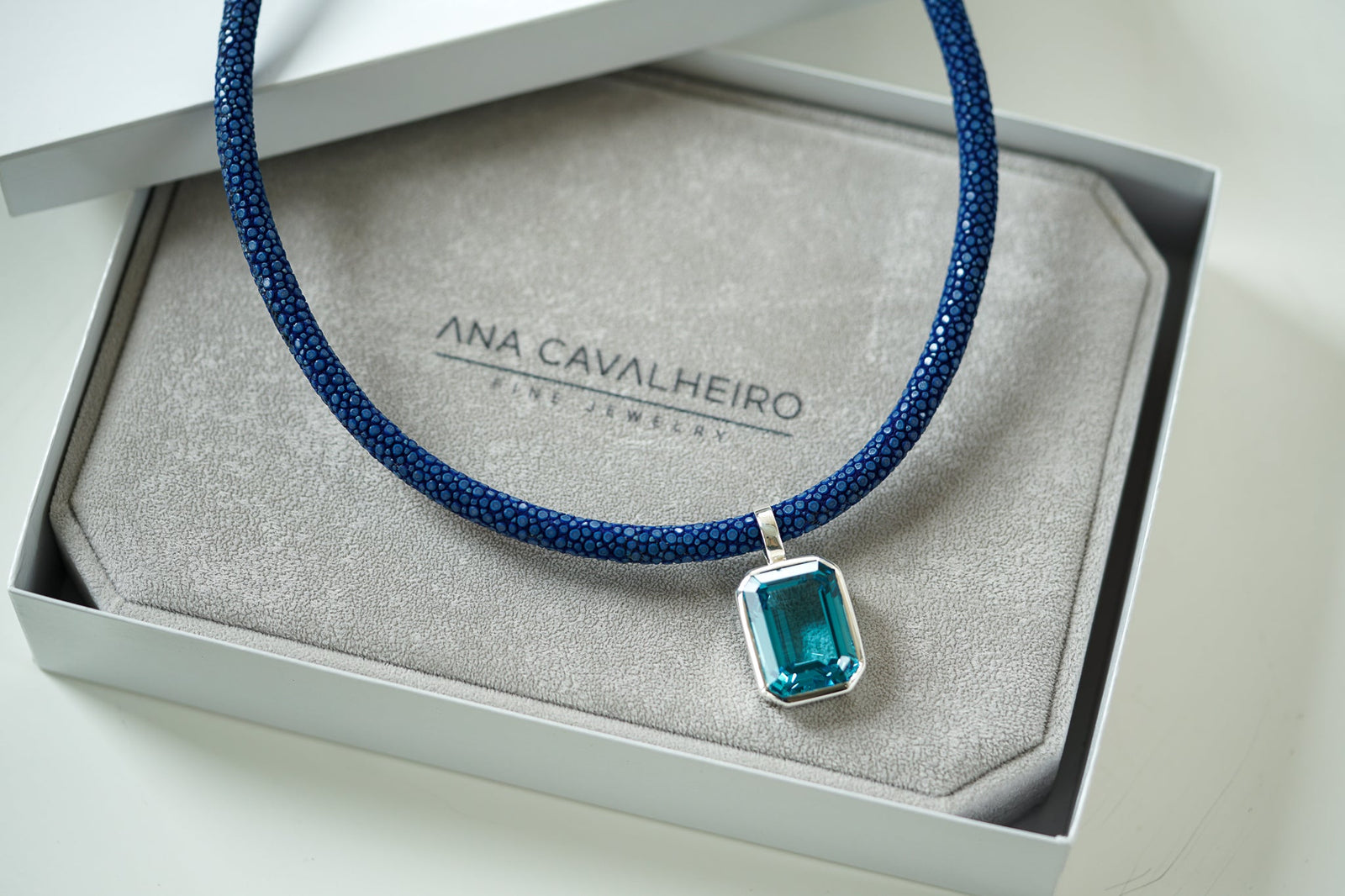

A client once sat across my worktable with a small velvet box of loose stones — three sapphires and a scattering of old melee diamonds pulled from a bracelet she'd stopped wearing. She had eleven inspiration boards saved on her phone under names like "maybe," "obsessed," and "no idea." She wanted a pendant necklace built around the sapphires. What she had, laid out in front of both of us, was closer to a hundred good ideas than one clear direction.

This happens more than people expect. Bespoke jewelry gets sold, understandably, as a process of unlimited choice — any metal, any setting, any shape you can dream up. But unlimited choice and good design pull in opposite directions. The more directions I show a client at once, the harder it becomes for any of them to feel right. Decision fatigue sets in fast, and what should feel like an exciting collaboration starts to feel like homework. So one of the quieter parts of my job is narrowing the field before a client ever has to choose from it.
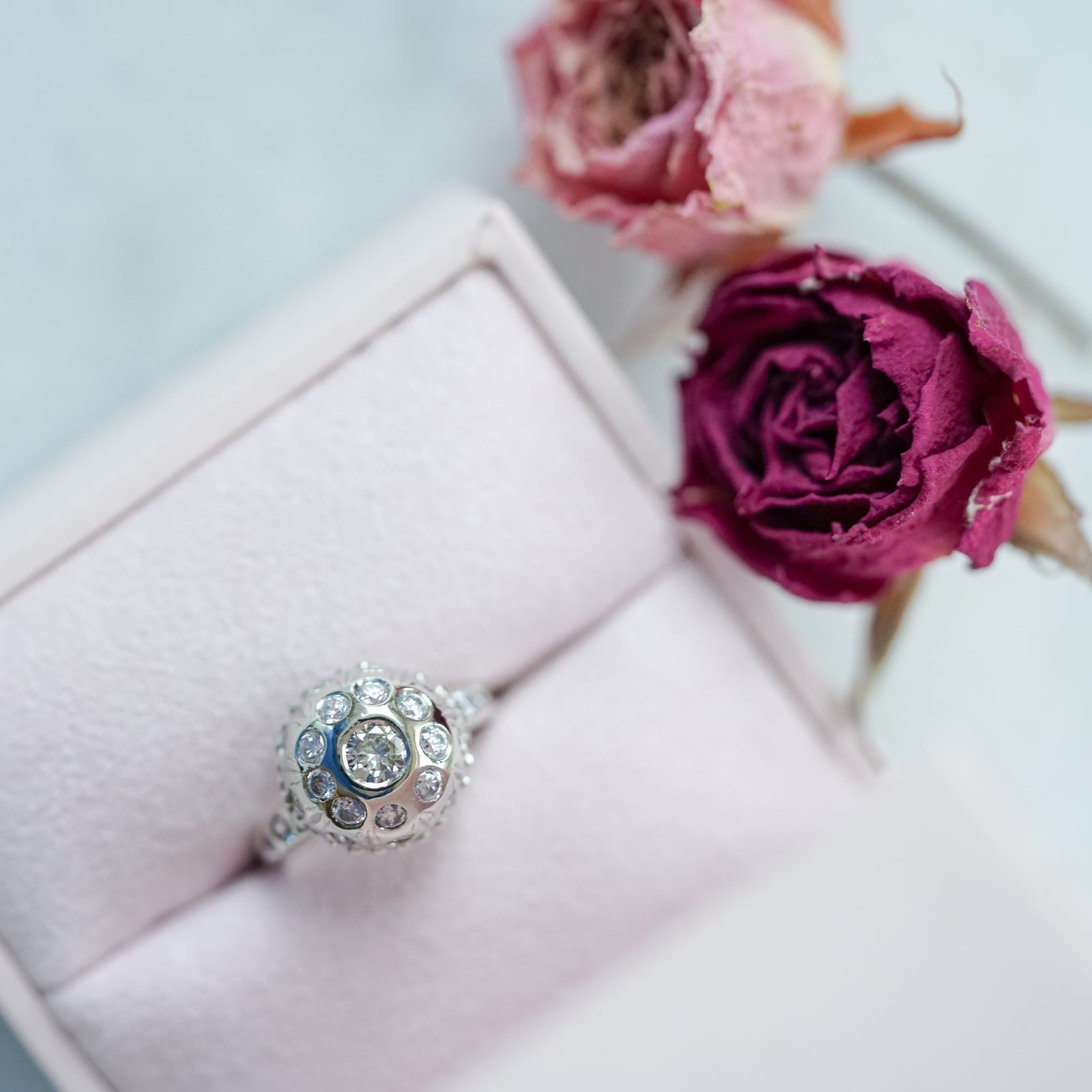
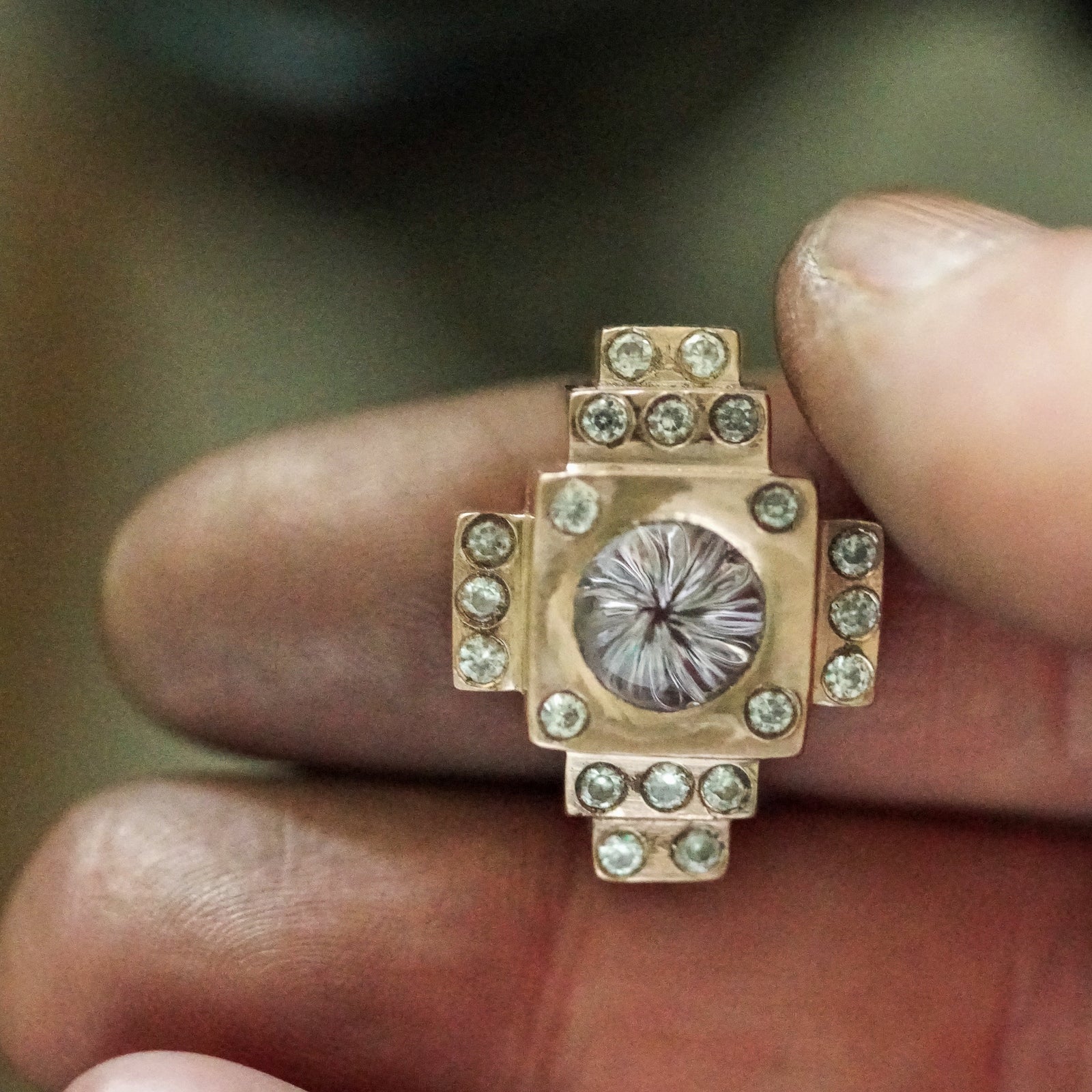
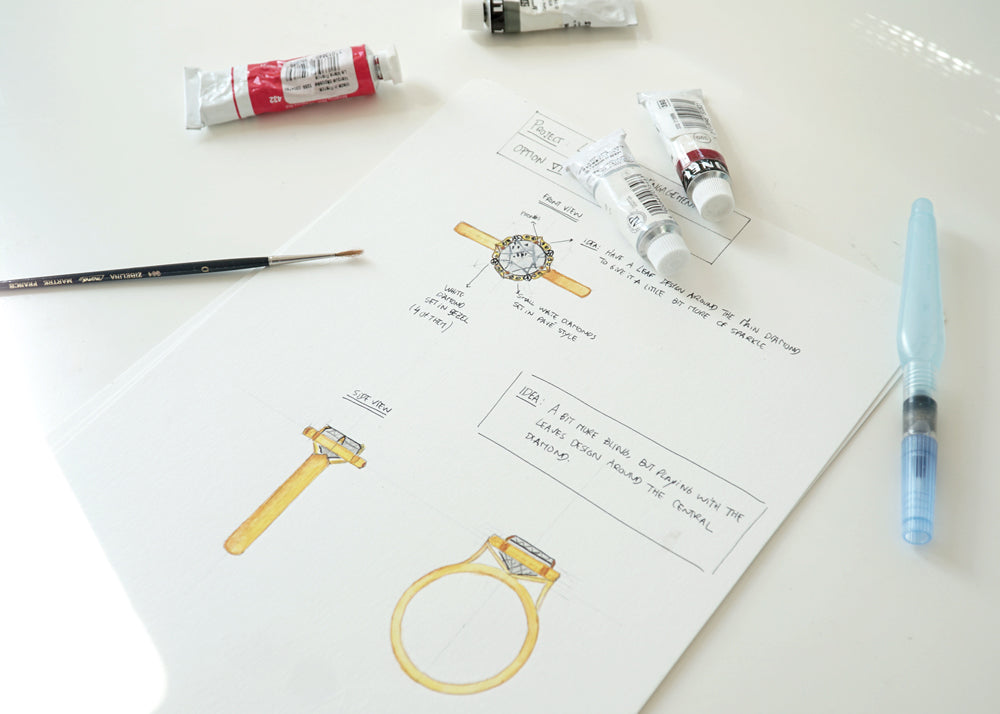
That reaction tells me more than a mood board ever could. By the end of that meeting, I can usually rule out two-thirds of what seemed possible walking in, and I come back with two or three directions instead of ten. For that client, it meant choosing between a low bezel setting that let the sapphires catch light from the side, and a more traditional prong setting that showed more stone but more metal too. Two clear paths, each with a reason behind it, rather than an open field.
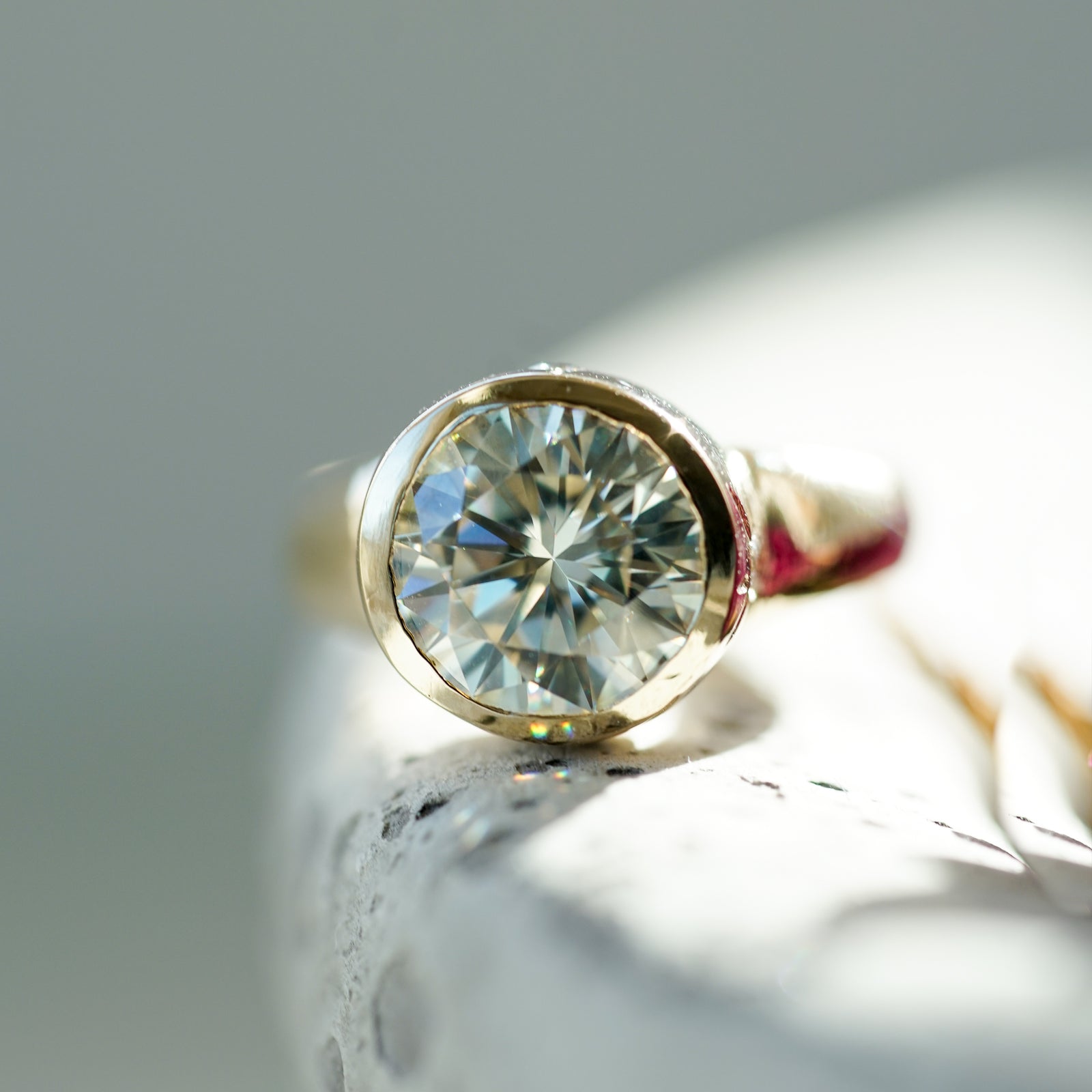
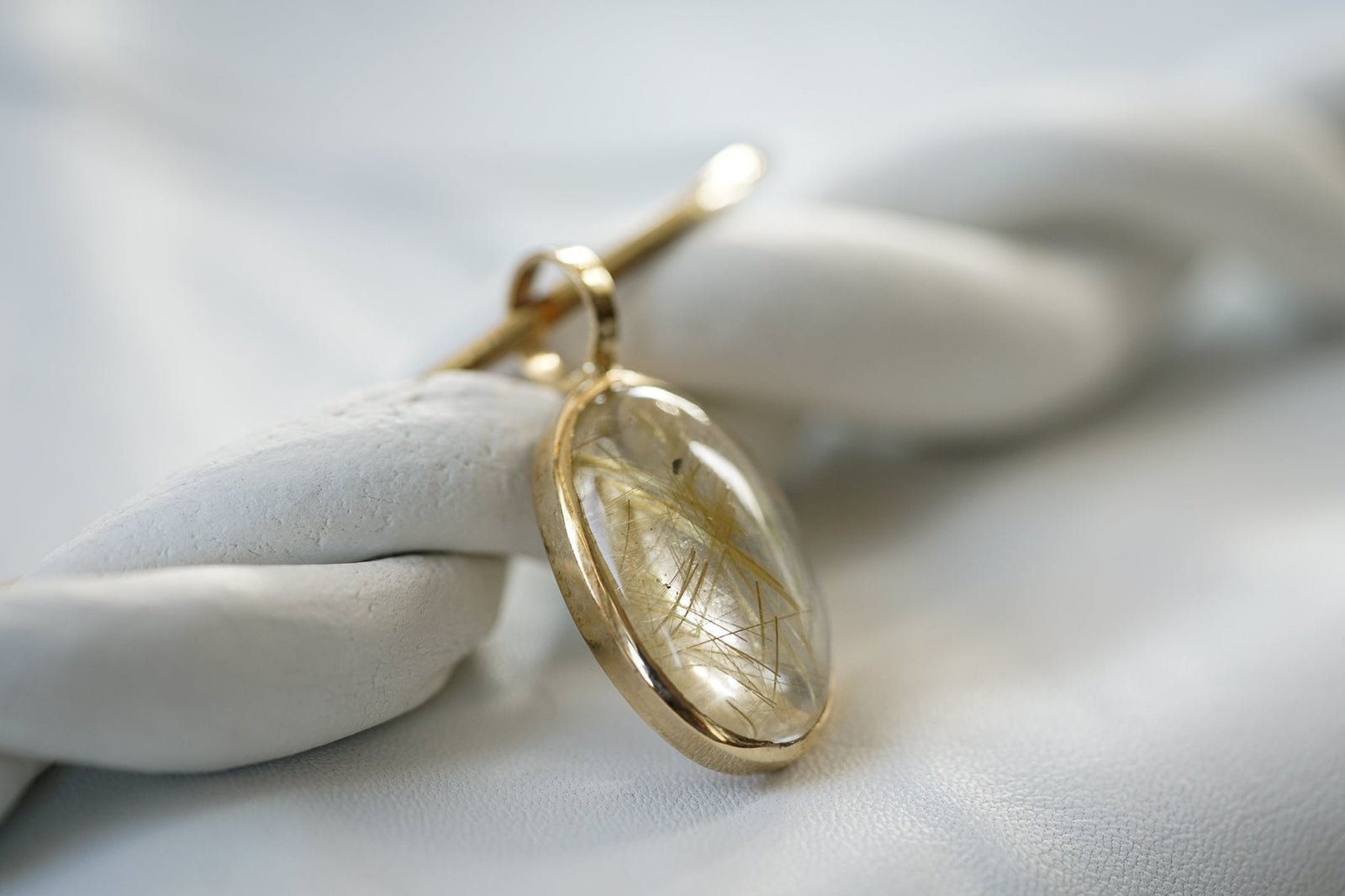
Metal came into it as well. She wore her existing jewelry hard — gardening, a job that kept her hands busy — and had assumed yellow gold by default because that's what the original bracelet was. We talked through it: 18K gold holds up beautifully to daily wear but shows scratches as a soft, warm patina over years, while sterling silver oxidizes faster and needs more upkeep to stay bright, though it let us hit a lower price point for a piece she wanted to wear constantly rather than save for occasions. She ended up choosing a 14K gold bezel — a middle ground on durability and cost — with the option to revisit silver for a second, everyday version later. That's a decision that's much easier to make with two options than with ten.
From there, we moved to a second meeting where I brought two wax models of the pendant, one with the bezel sitting flush and low, one with it lifted slightly to let the sapphires show more depth. She tried both on, looked in the mirror, and knew within about a minute which one she wanted — something that no amount of sketches or renderings ever fully replicates. Most projects like this take three to six meetings total between that first conversation and the final piece coming out of casting, sometimes in person, sometimes with a wax shipped to her and photos sent back and forth to confirm fit before we moved forward. Every one of those meetings works better with a short list in front of us than a long one.
I've come to think of my job, in part, as protecting clients from too many good options. Not because their taste is unclear, but because clarity usually needs a little editing to surface. A focused set of choices, offered at the right moment, tends to produce a piece someone loves for decades. A wide-open menu tends to produce exhaustion.
I'd love to see what you have and talk through what might be possible. You can reach out to set up a consultation, or browse a bit of my work at anacavalheiro.com.



Leave a comment (all fields required)