












Once in a while, in a custom project, I get asked why is my quote much higher than what the materials actually cost. Given the volatility on silver and gold spot market lately, that question has been showing up more frequently given that the metals price increases have been on historically highs.
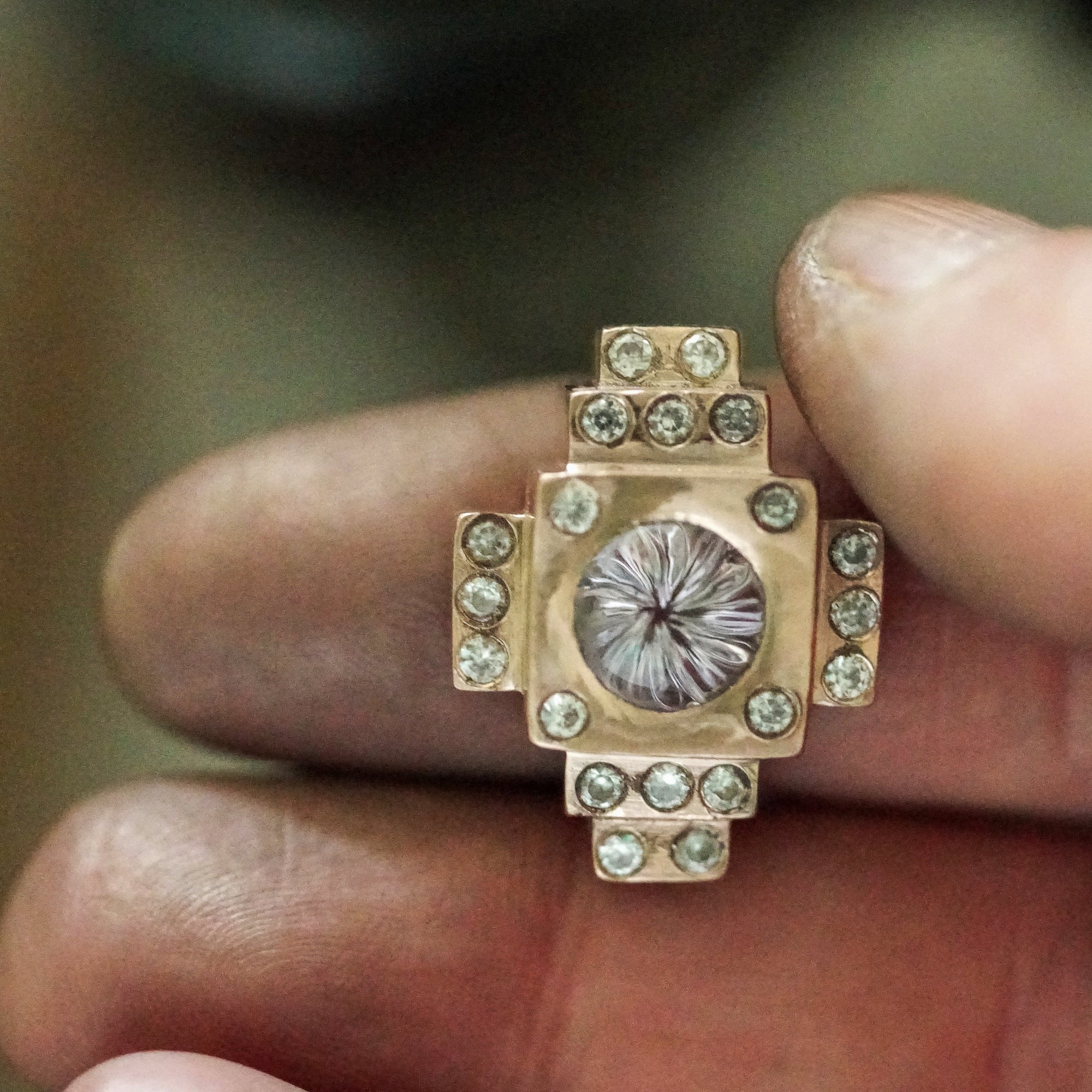
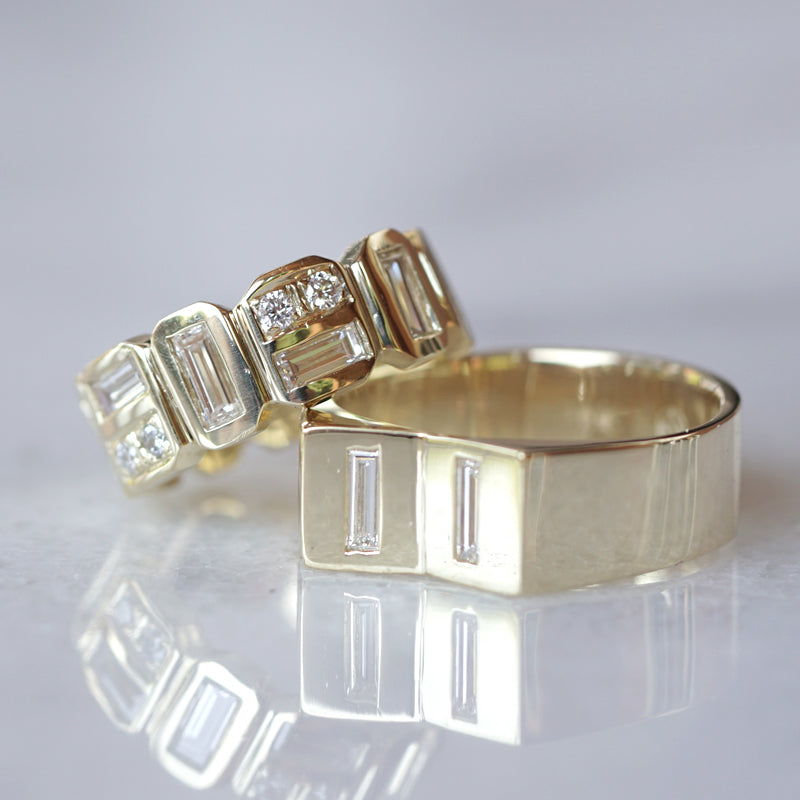
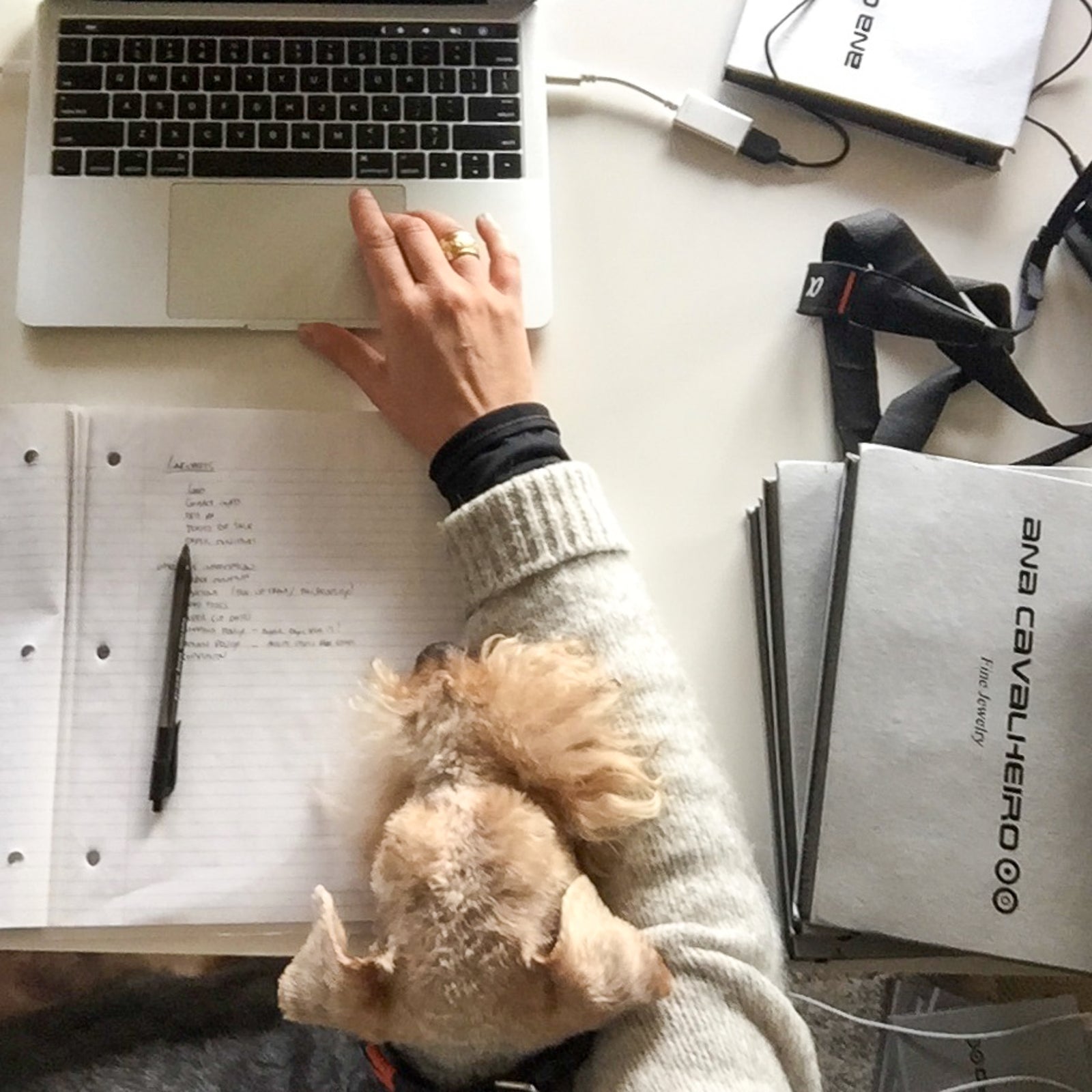
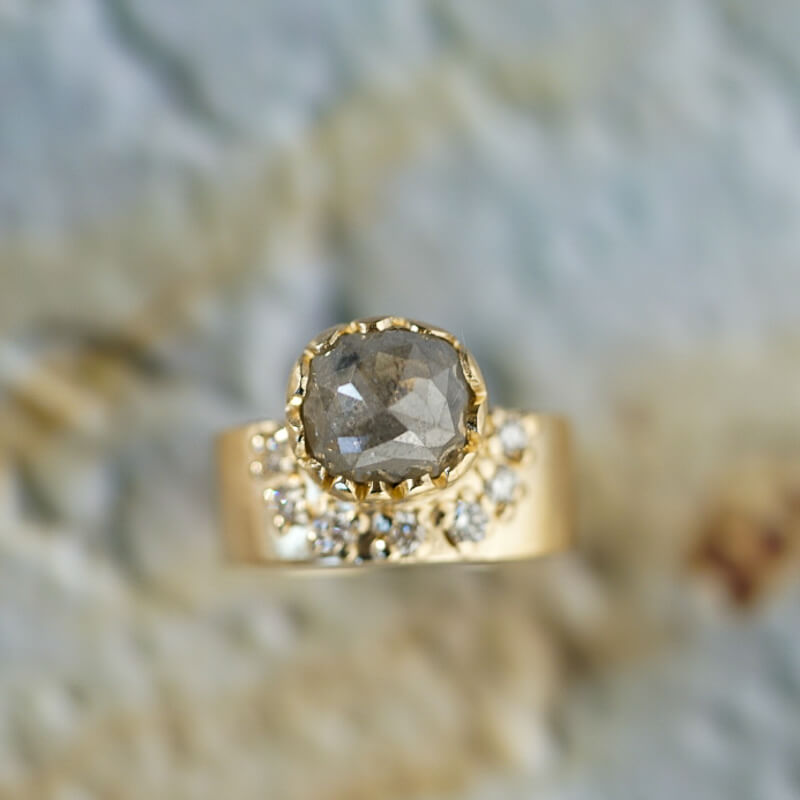
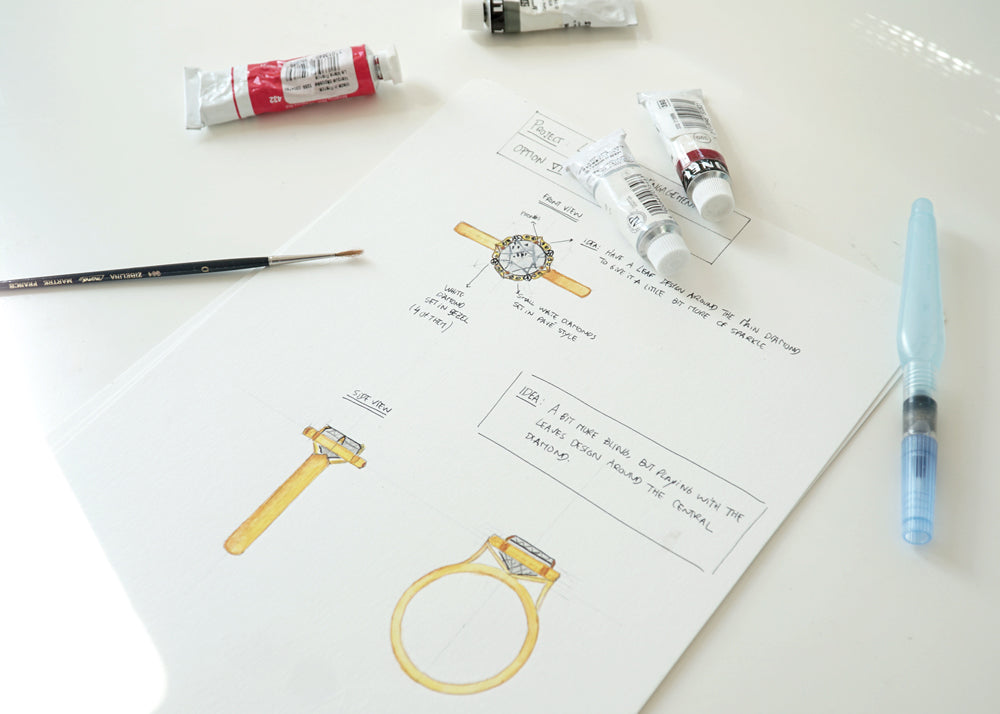
My quotes are all inclusive - let me explain. The materials themselves — gold, silver, gemstones, findings — are an integral part of the piece and they're also the easiest part to look up online. What takes a project from "cost of metal" to "cost of a finished piece" is everything that happens in between: the hours long multiple meetings with clients, the sketching and revisions before a design actually works in three dimensions and not just on paper, the sourcing of a stone that matches your budget and also matches the feeling you described to me, the wax model carved and cast, the meeting you come in to try the wax on your finger or that I ship to you back and forth, the hours at the bench setting stones and polishing by hand, and the finishing work that decides whether a piece feels expensive or just looks like it in a photo. None of that shows up on a gold- silver-price chart.

There's also a quieter cost built into every bespoke quote: risk. A piece made for you is, by definition, made once. If a stone doesn't sit right in its setting, or a proportion needs to be reworked after casting, there's no second unit coming down a production line to absorb that labor — I absorb it, and I price for the possibility of it up front so a hiccup in the process never becomes your problem. That's part of what you're actually paying for when you commission something one-of-a-kind instead of buying it off a shelf.
I think about pricing two ways at once, and I try to be honest about both. Technically, I'm pricing labor, sourcing, and craftsmanship the same way any specialist prices their time — a lawyer's fee isn't the cost of the paper their letter is printed on. Emotionally, I'm pricing the fact that I'm translating your story rather than assembling a catalog item. A brooch that's sat in a drawer for thirty years, or a stone that means something only you know the meaning of — turning that into jewelry you'll actually reach for every day takes a different kind of attention than pulling a ring off a shelf, and that attention is worth naming even when it's hard to put a tidy line-item next to it.
If you're comparing quotes — mine or anyone else's — the most useful question isn't "how much is the gold." It's "what's included." A design fee that covers real iteration, not just one sketch you're expected to approve on sight. Hours of meetings listening to your expectations, your vision, your doubts, explaining the process. Casting and setting done to a standard that holds up for decades, not just for the unboxing photo. Time built in for the small adjustment you'll likely want after wearing the piece for a week. A quote that skips those things isn't cheaper — it's just quieter about where the corners were cut.
Understanding this doesn't just make a quote easier to accept — it changes how you plan for the piece itself. Clients who know upfront that design time and finishing are real, priced stages tend to give themselves more room in a project: an extra week for a stone to arrive from the right source instead of the fastest one, or a second fitting before we set anything permanently. That patience almost always shows up in the final piece. The pieces I'm proudest of are rarely the ones that moved fastest from quote to finish — they're the ones where the price bought enough time to get every small decision right. If I can hear the excitement in someone's laugh, or see it well up in their eyes, I know I've accomplished my job.
I'd love to walk you through what actually goes into a quote for your own idea, however early or vague it still is. You can reach out to set up a consultation, or browse a bit of my work at anacavalheiro.com.



Leave a comment (all fields required)