

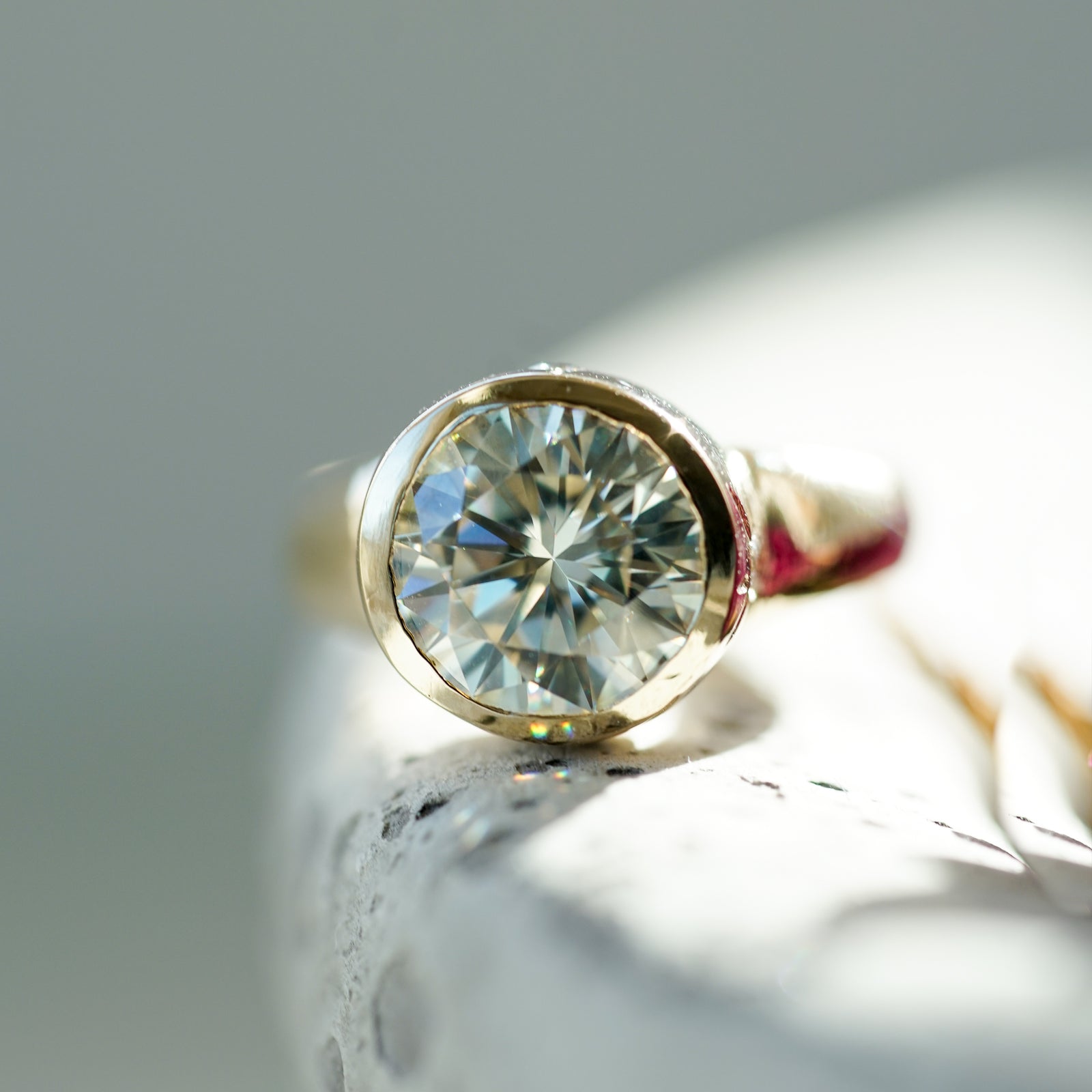

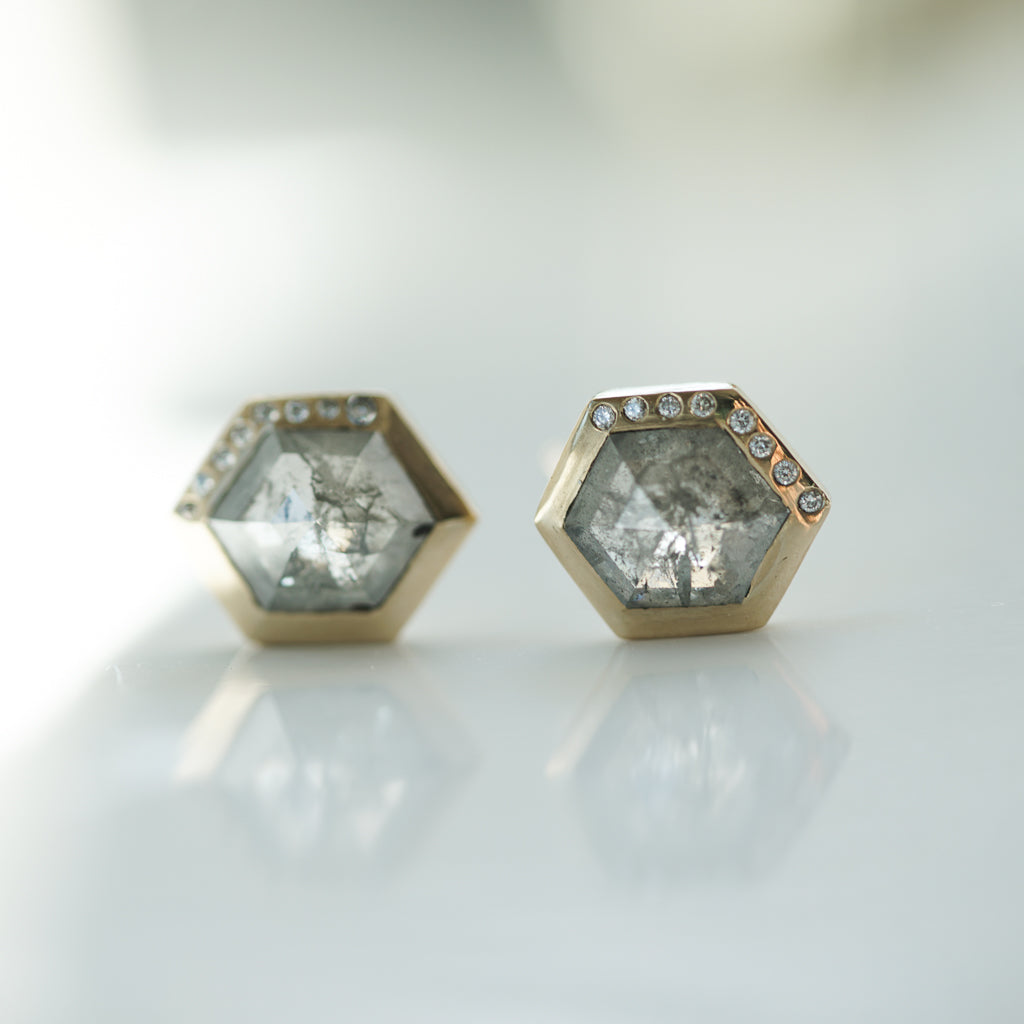

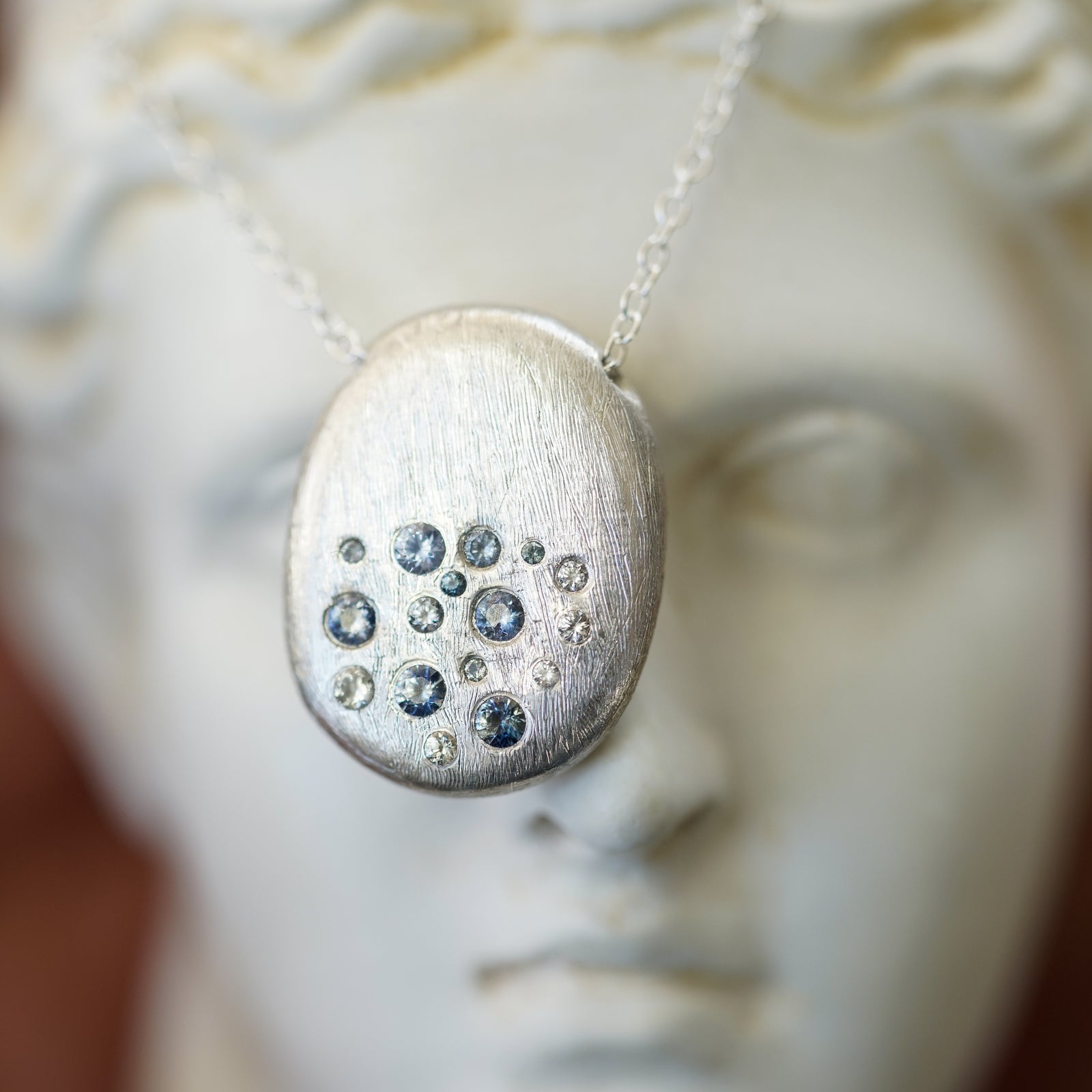

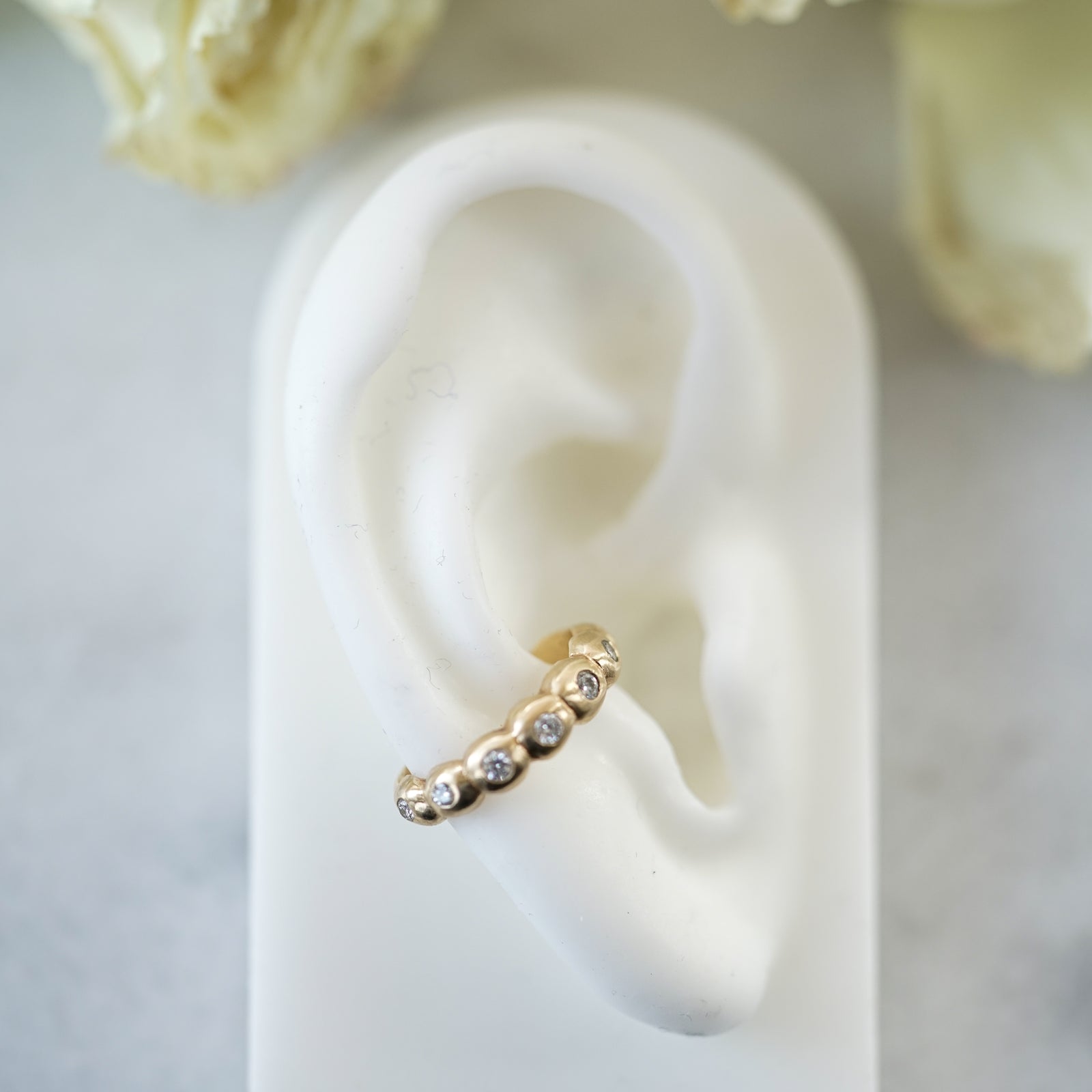





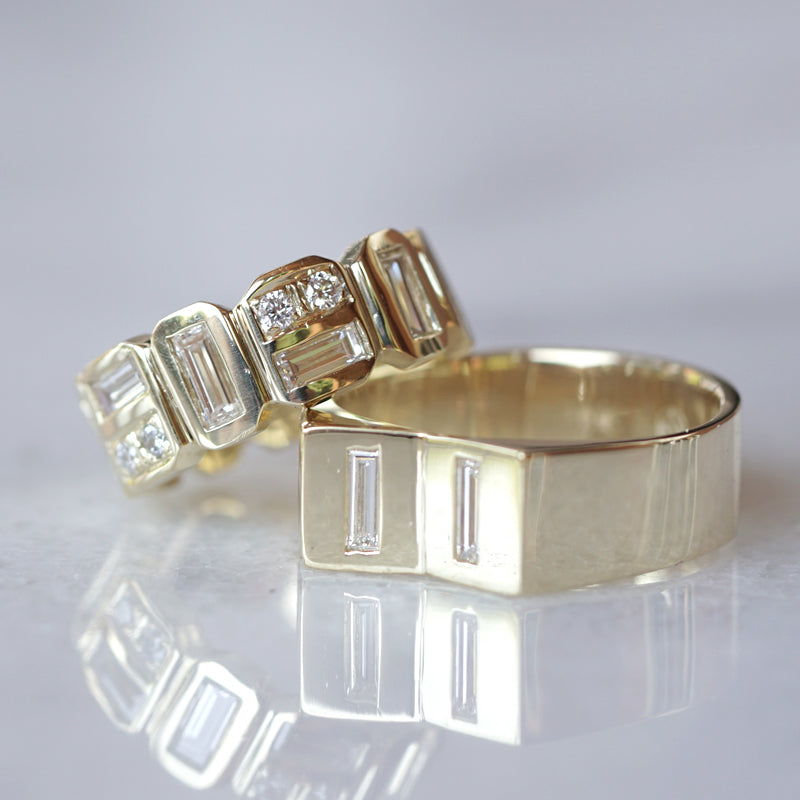



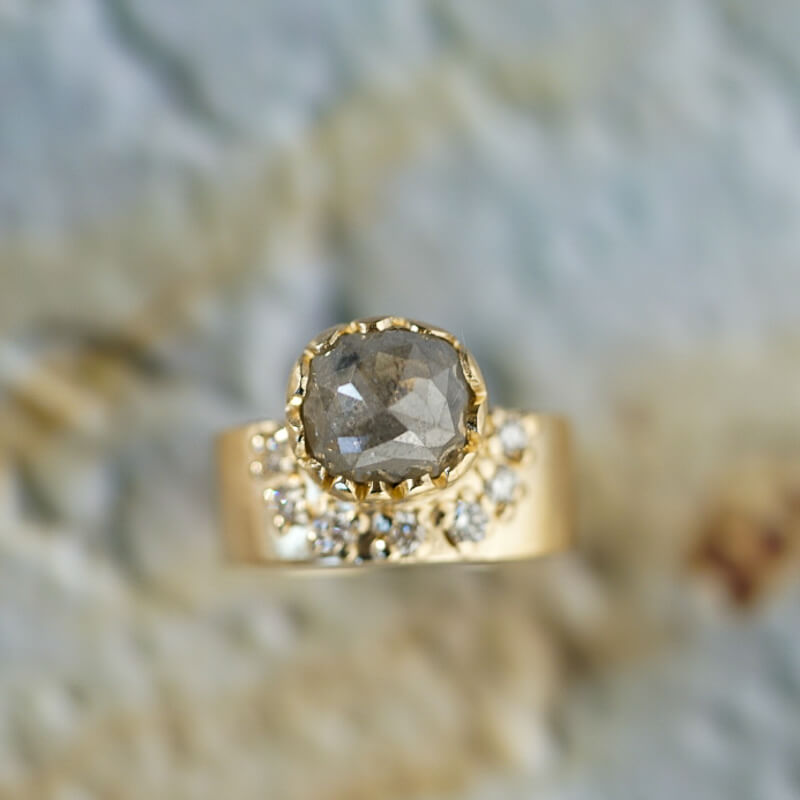

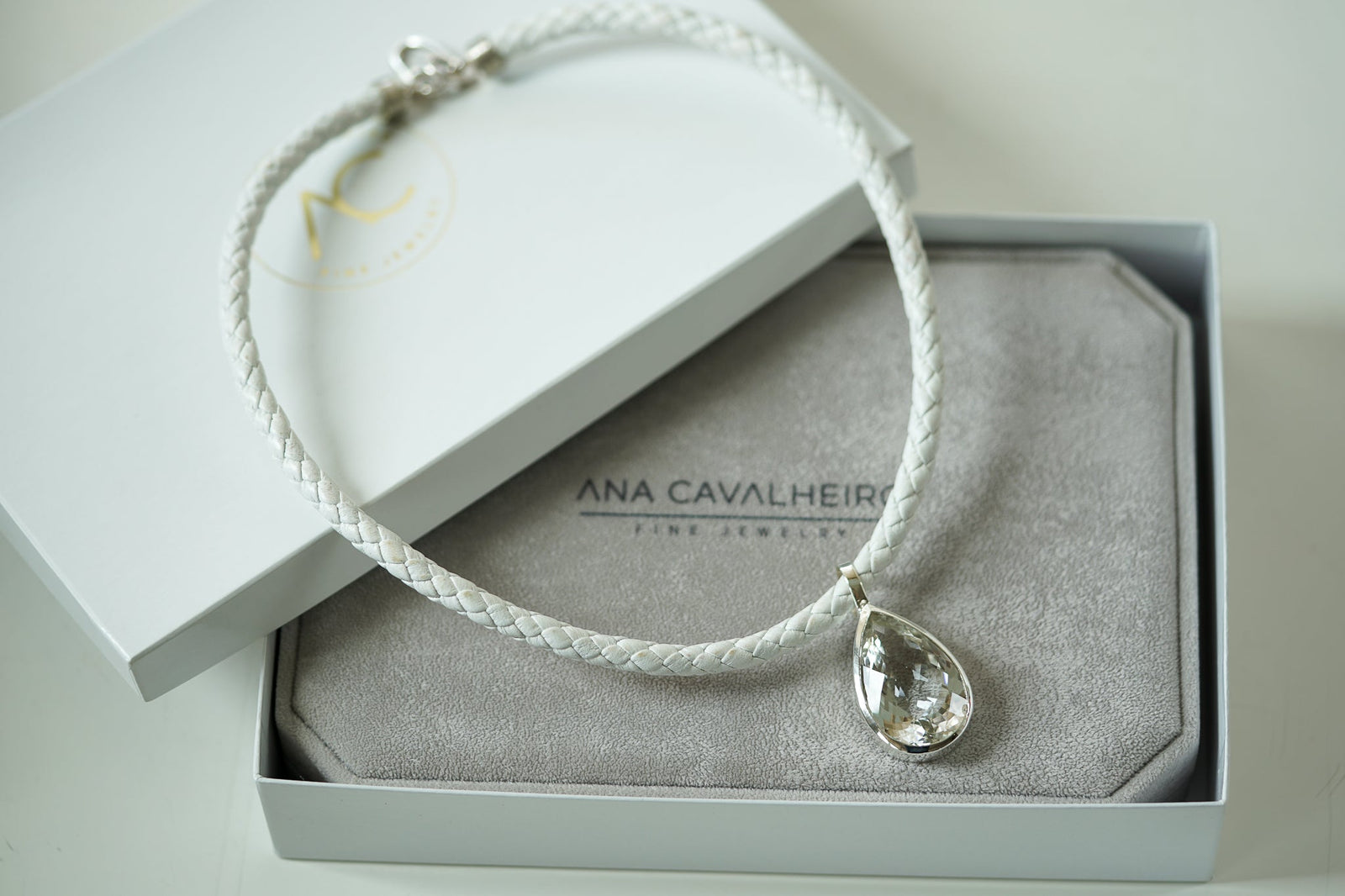

Clients are often surprised when I tell them that the difference between a piece that feels expensive and one that doesn't has very little to do with carat weight or gold price. I've seen large stones set into pieces that feel flimsy and I've seen small, quiet rings that feel unmistakably substantial the second someone puts them on. The difference lives in a handful of details most people have never been taught to look for. This, in contrast, means most people never get to ask for them, either. And this is actually one of the things that I enjoy explaining, because once you know what to look for, you can never quite look at jewelry the same way.

Weight is the first thing your hand notices, even before your eyes register the design. A ring with too little metal in the shank feels hollow, almost like a toy, no matter how nice the stone on top is. If the weight is not well balanced out throughout the whole ring, the stone on top will spin on your finger. That doesn't mean heavier is always better, a piece can also be overbuilt and clumsy. There's usually a specific, correct amount of metal for a given design and a given hand, and getting it right is one of those things that's easy to feel and hard to describe until you're holding two versions side by side.
Proportion and symmetry matter just as much, and they're where a lot of mass-produced jewelry quietly falls short. Prongs that are slightly uneven, a bezel that's a hair thicker on one side than the other, a stone that sits a fraction off-center — none of it jumps out at a glance, but your eye registers it as "off" even if you can't say why. Getting those relationships right, consistently, across a whole piece, is slow, deliberate work. It's also largely invisible when it's done well, which is part of why it's so undervalued.

Finishing is the same story. The transition between a polished surface and a textured one, how sharp or soft an edge feels against skin, whether a clasp closes with a solid, confident click or a mushy give — these are the details that tell your hand, every single day, whether something was made with care.
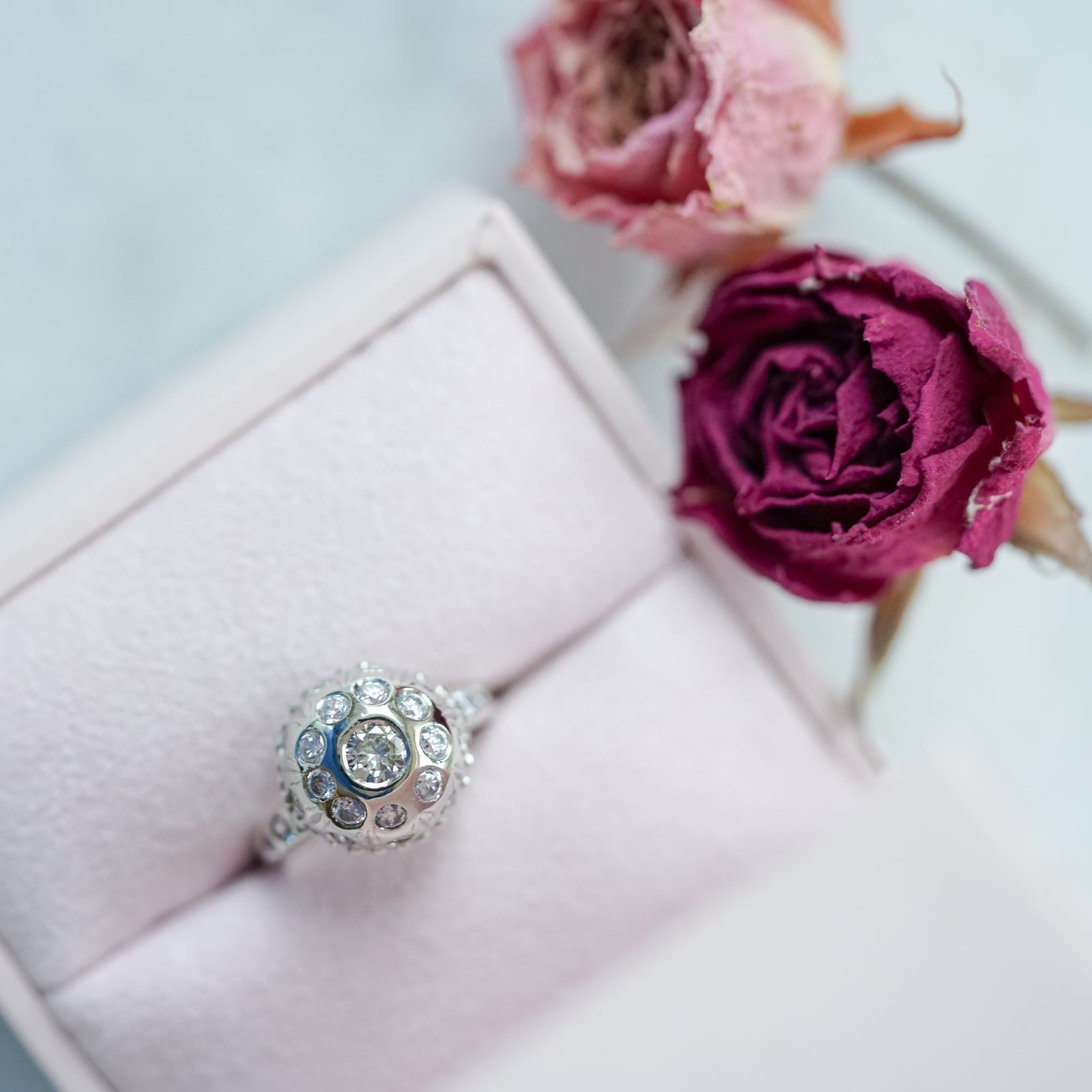
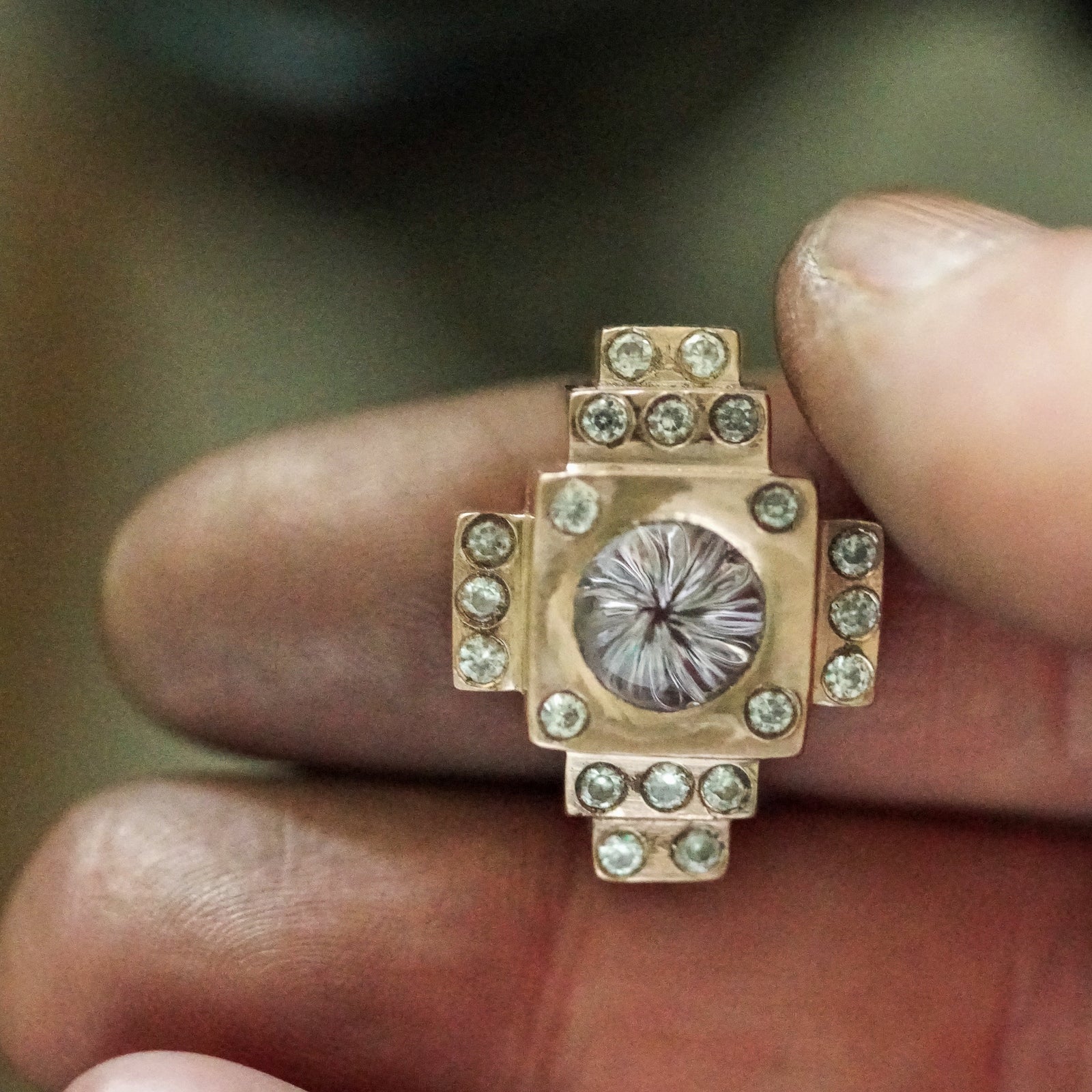
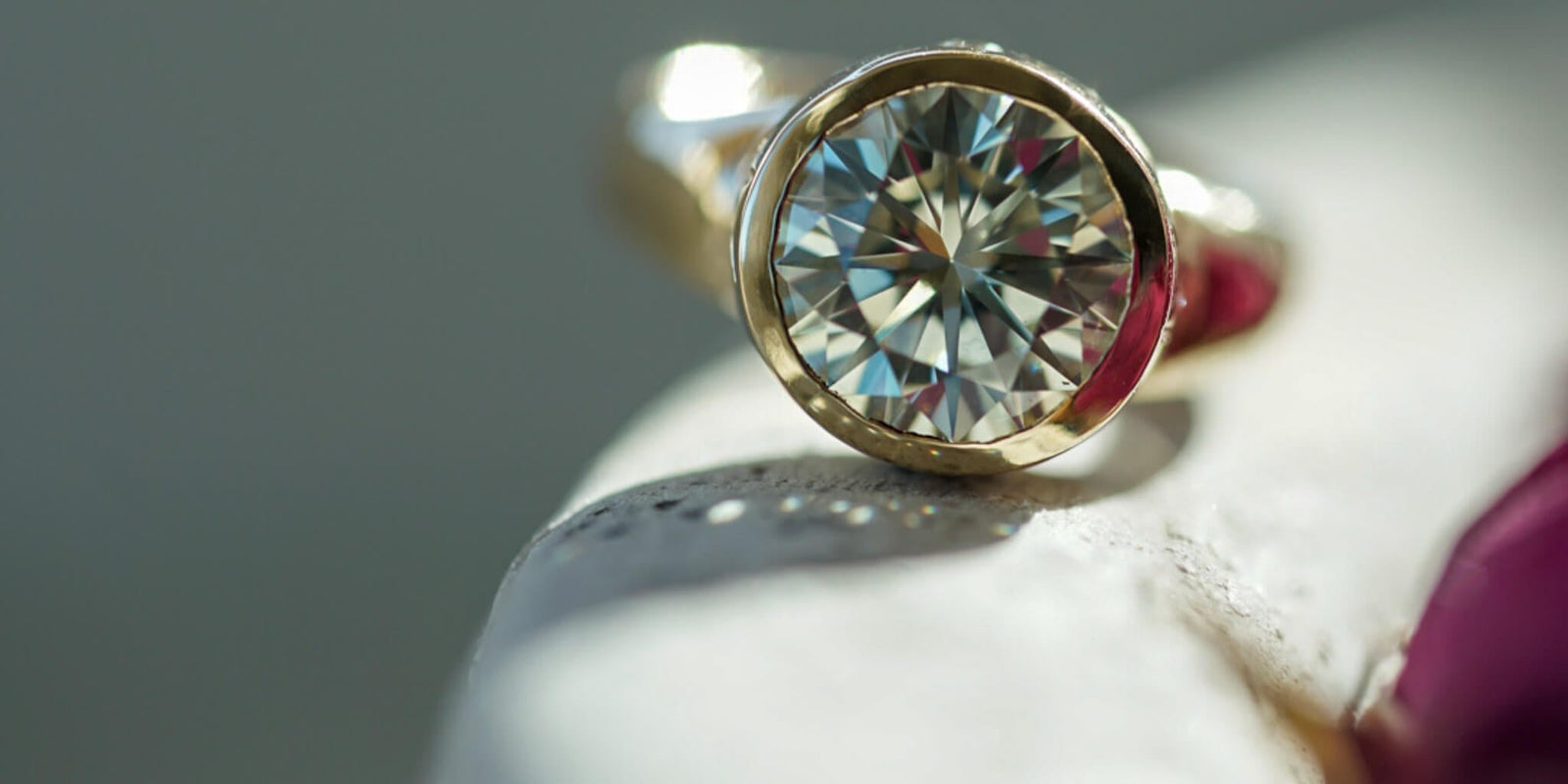
Stone setting is where I probably spend the most invisible time. A well-set stone should look like it belongs exactly where it is — secure without looking caged, prominent without looking precarious. That takes more than technical correctness; it takes judgment about how this particular stone, in this particular design, wants to sit, and how much metal is enough to hold it safely without burying it.
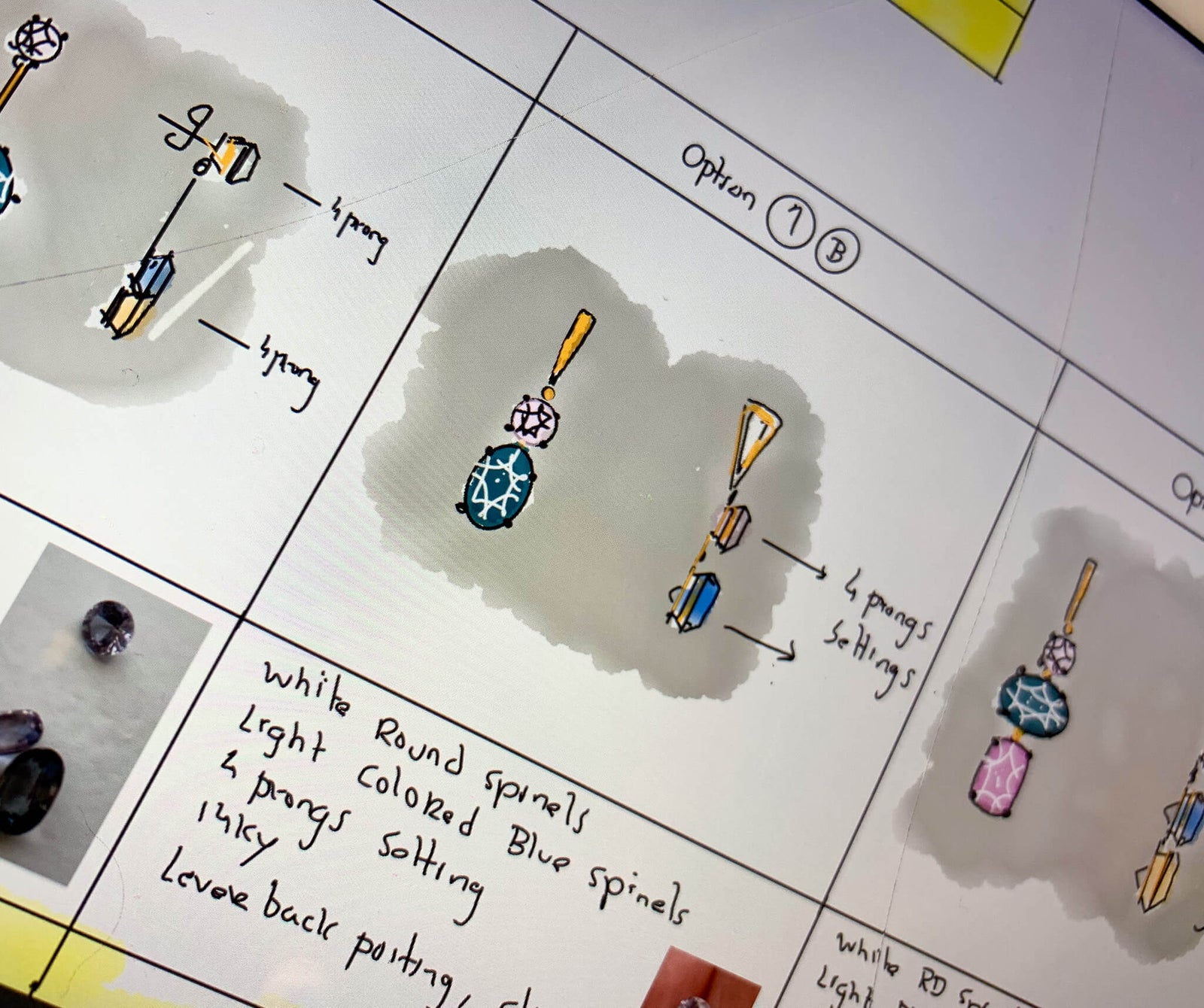
None of this is about spending more for the sake of it — it's about knowing what you're actually paying for, and what to ask a jeweler about when something feels a little off in a piece you already own or one you're considering commissioning. If you'd like a second opinion on a piece, or want to talk through what these details would look like in something built for you, I'd love to hear from you. You can reach out to set up a consultation, or browse a bit of my work at anacavalheiro.com.



Leave a comment (all fields required)