












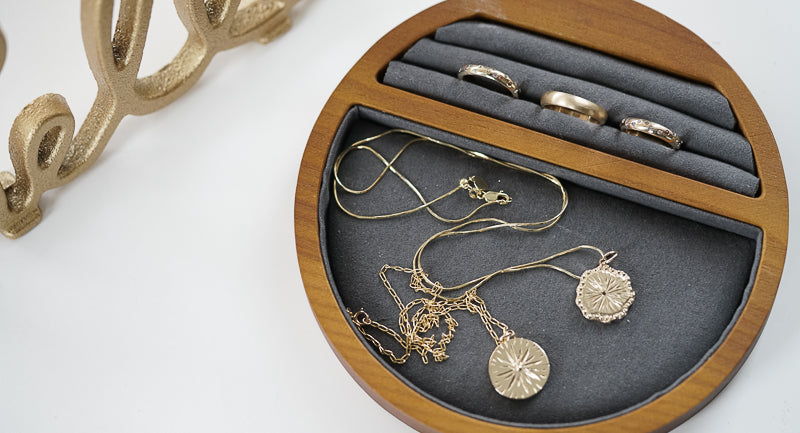

There is a particular kind of drawer in almost every home I visit. It is usually lined in velvet, a little worn at the corners, and it holds a ring, a brooch, or a strand of pearls that belonged to someone's mother or grandmother. The pieces are loved, they are never thrown away, and they are almost never worn. If you have a drawer like this, you are not alone, and you are not doing anything wrong by leaving it closed. But I do think it is worth asking yourself, every so often, what you actually want that piece to be doing in your life.
Inherited jewelry carries a strange kind of weight. It is not just metal and stone, it is a person, a memory, sometimes a whole relationship you are still working out how to feel about. That weight is exactly why so many people freeze when they think about changing the piece at all. There is a fear that redesigning it means erasing something from the person it came from, or that wanting something different sounds like you don't appreciate the piece. I hear versions of this hesitation often, and I want to say clearly: wanting to wear your inheritance, in a form that actually fits your hand, neck, ears and your life, is not a betrayal of where it came from. It is a continuation of it.

When a client brings me a piece like this, the first thing we do is slow down and actually look at it together. What is the stone, and is it in good condition? Is the metal worth keeping, or has it been repaired so many times it is thin and unstable? Is there a detail, an engraving, a shape, a particular cut of stone, that feels like the emotional core of the piece, the part that would feel like a loss if it disappeared? Sometimes a ring that looks completely wrong for daily wear still has a stone with real presence, and that stone becomes the anchor for something entirely new. Other times the metal itself is the meaningful part, and the stone is negotiable. There is no universal answer here, which is exactly why this is a conversation and not a checklist.
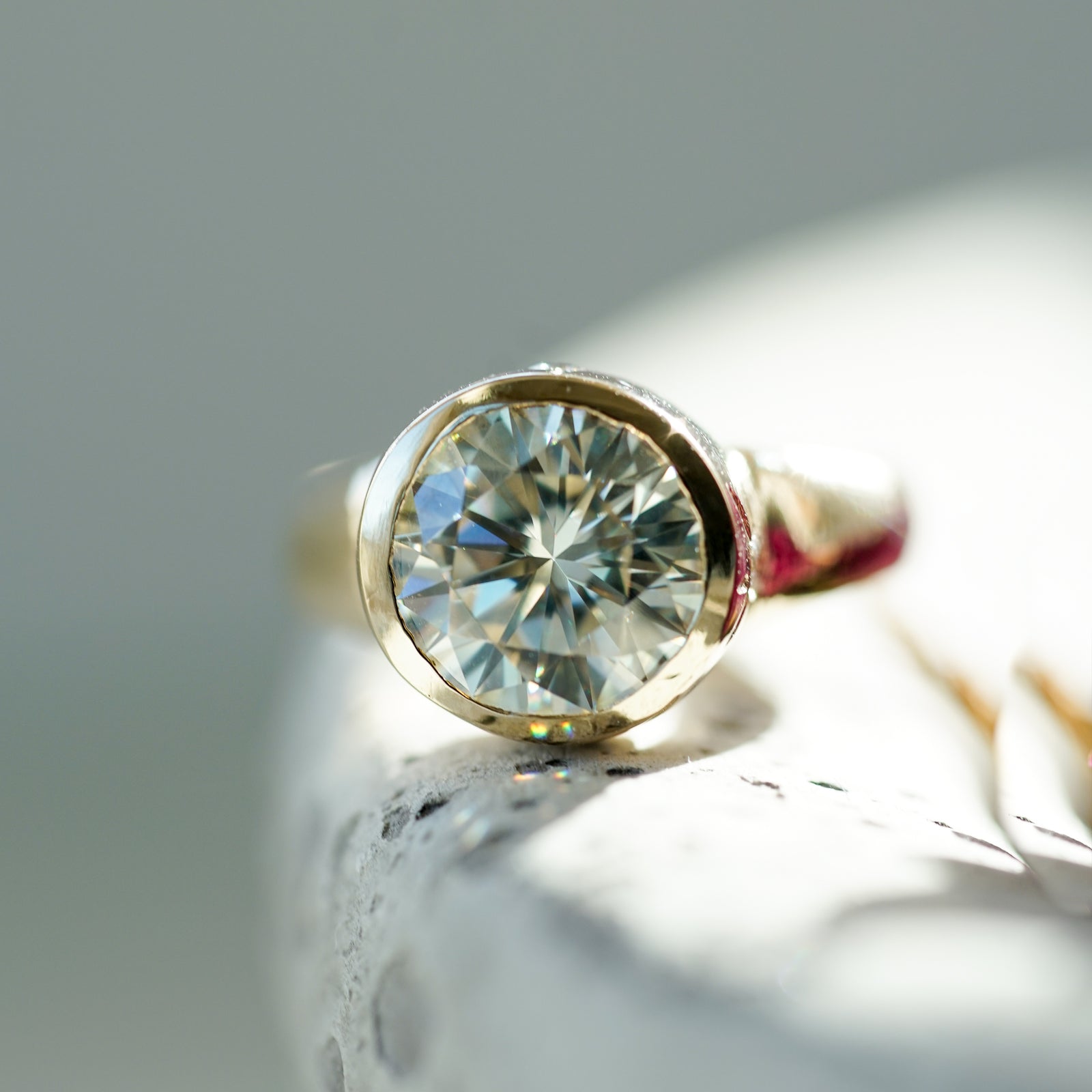
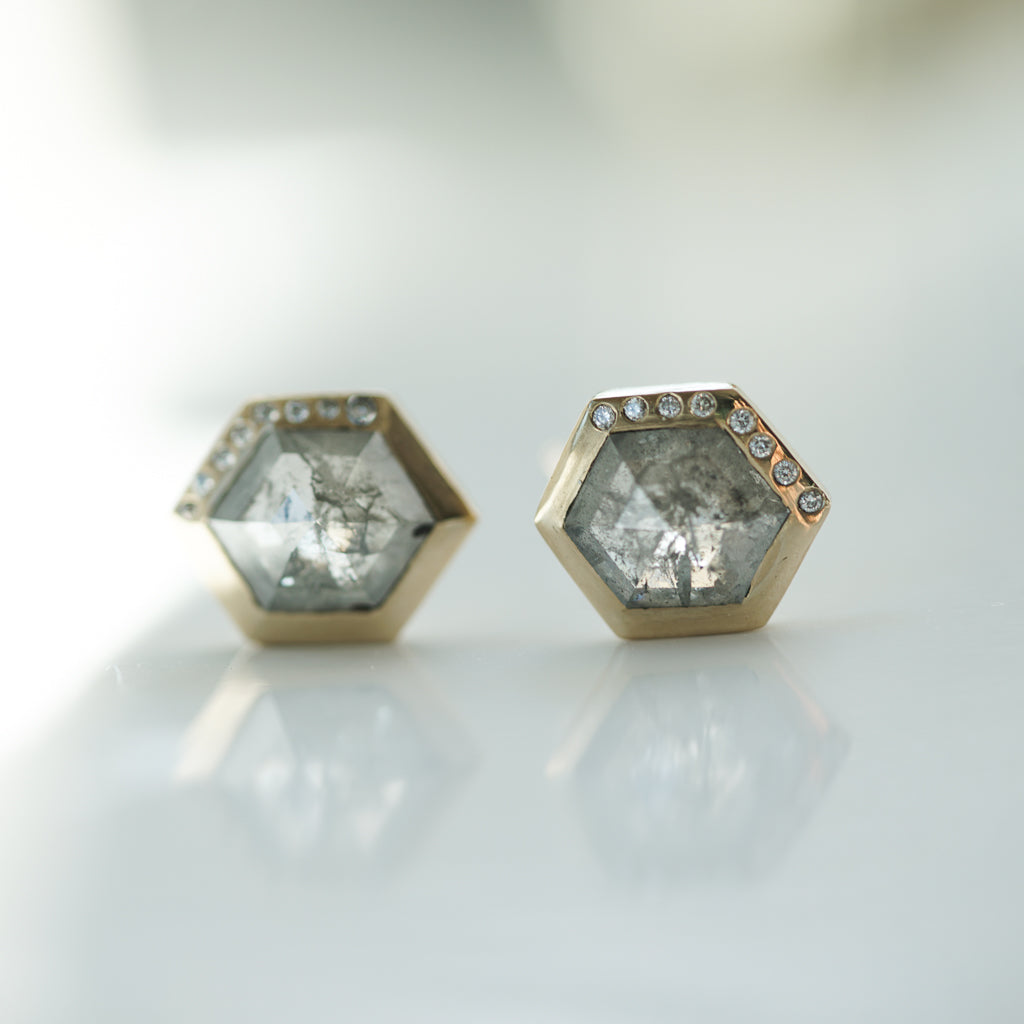
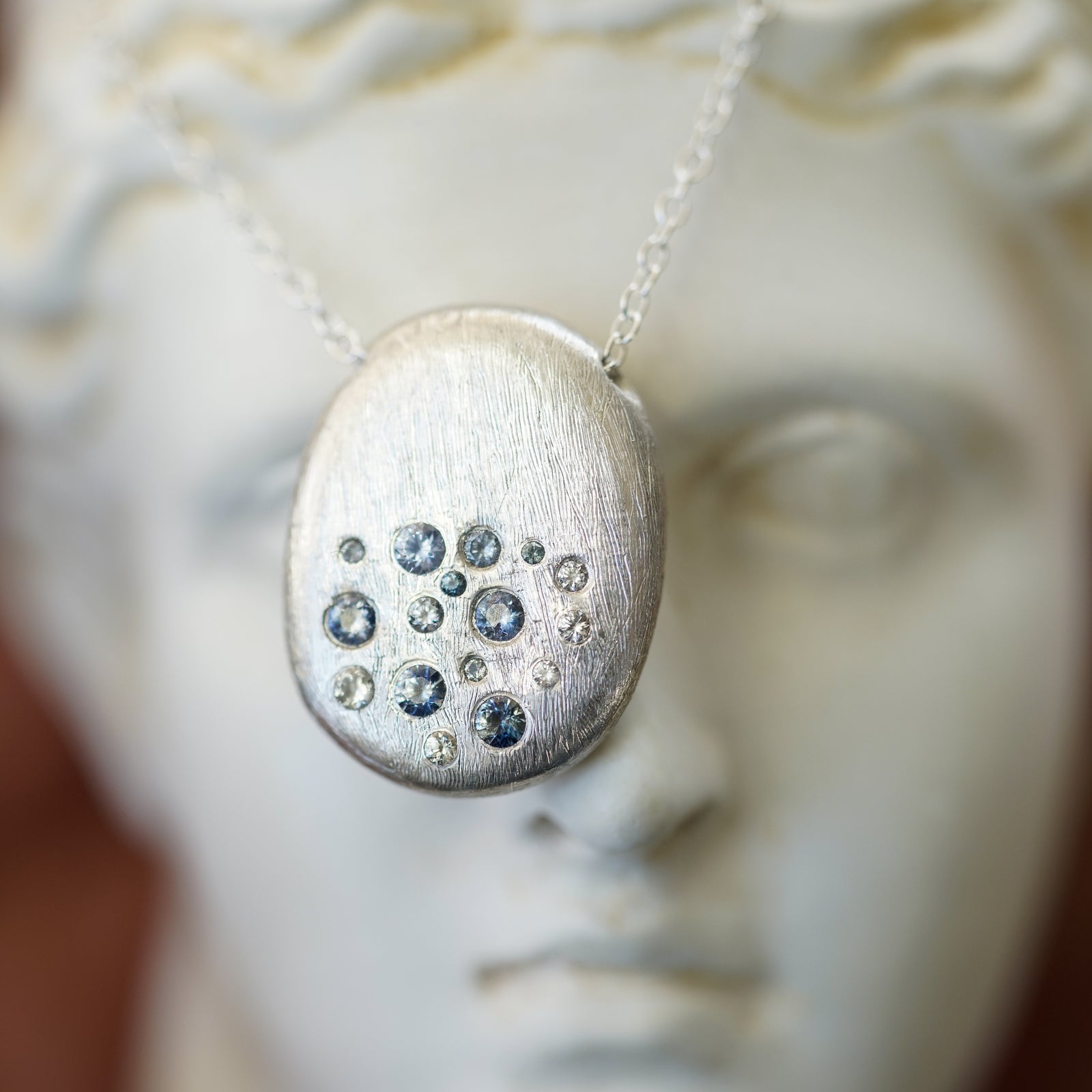
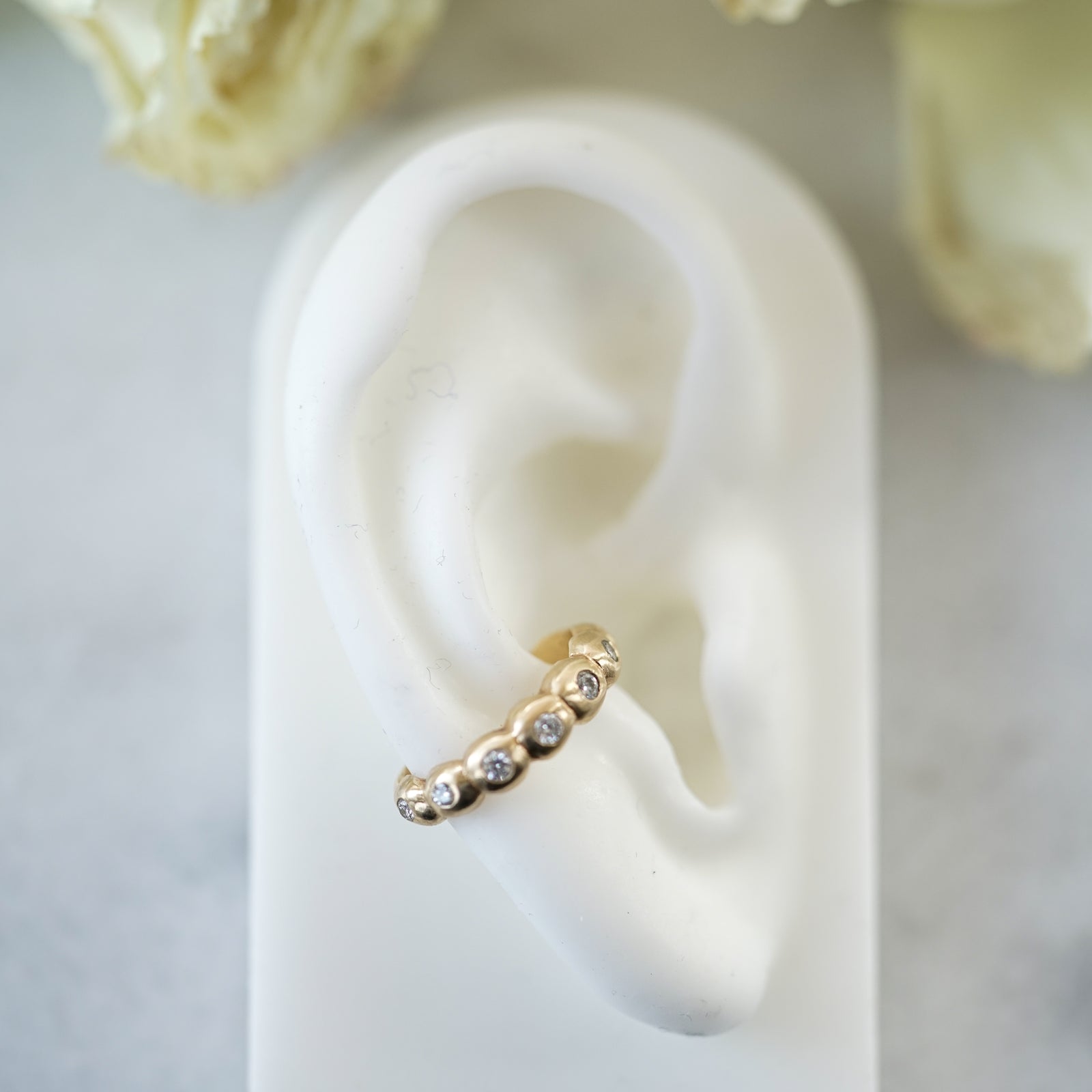
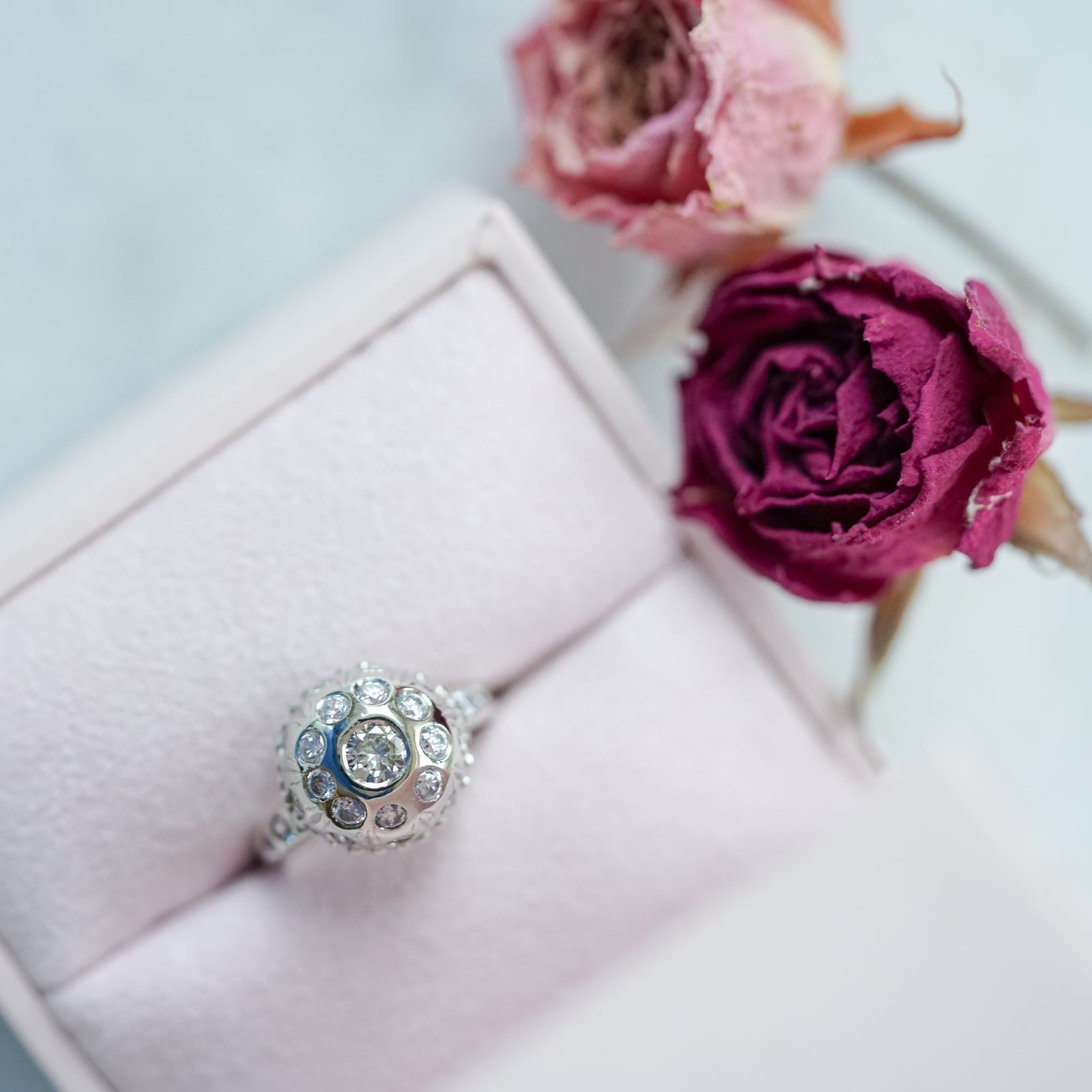
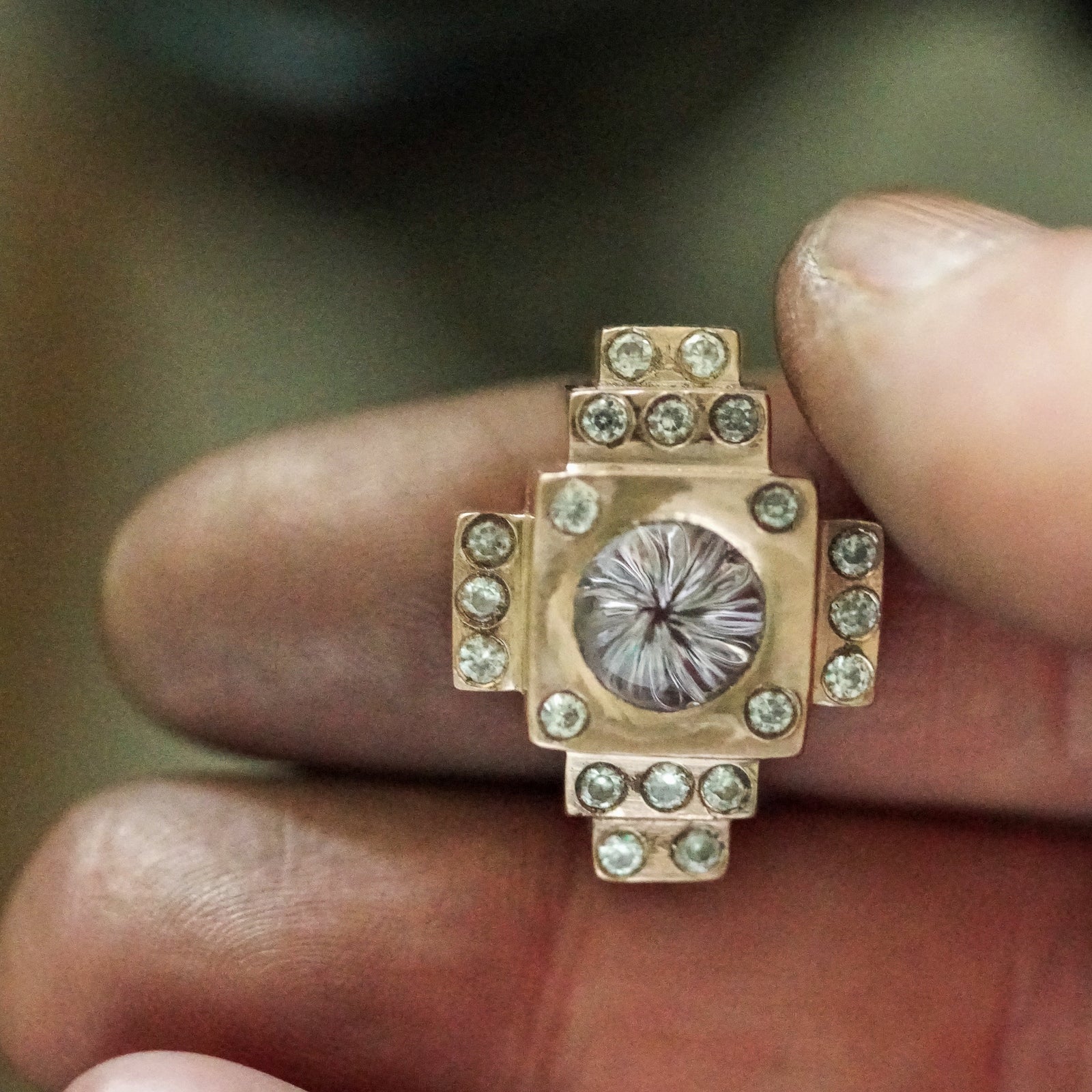
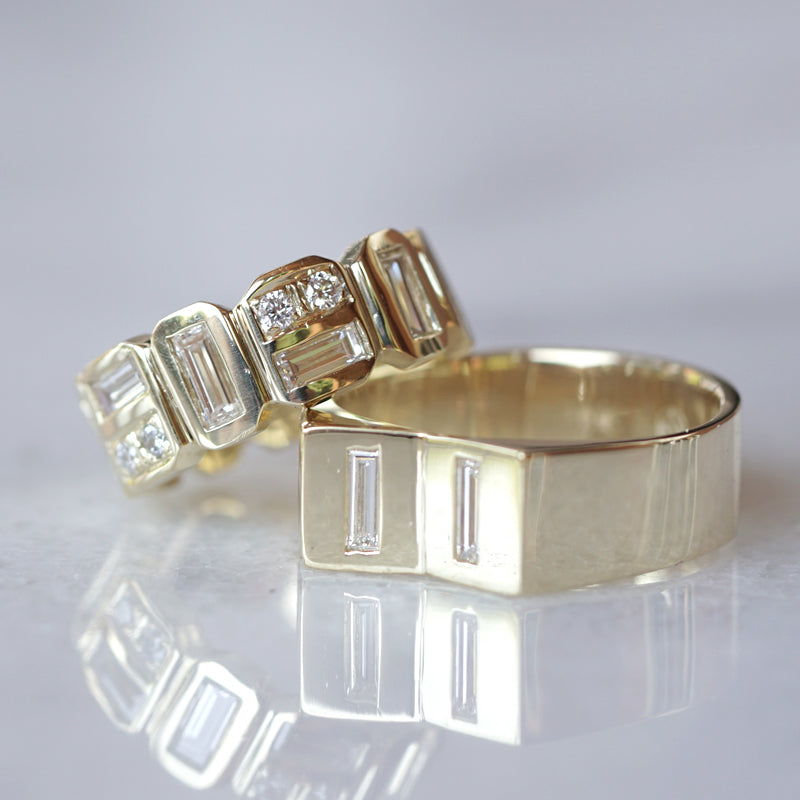
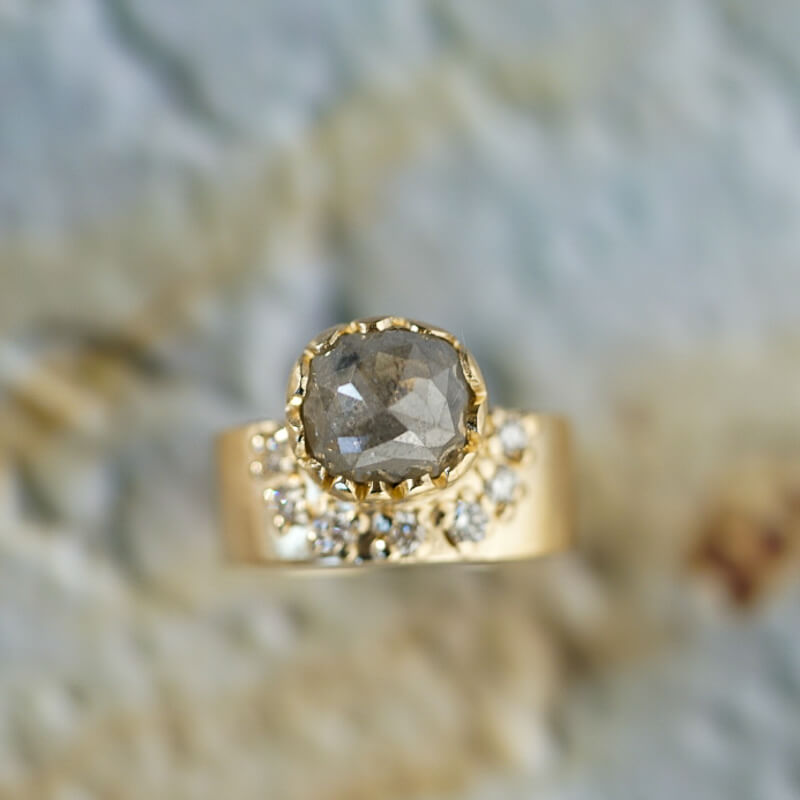
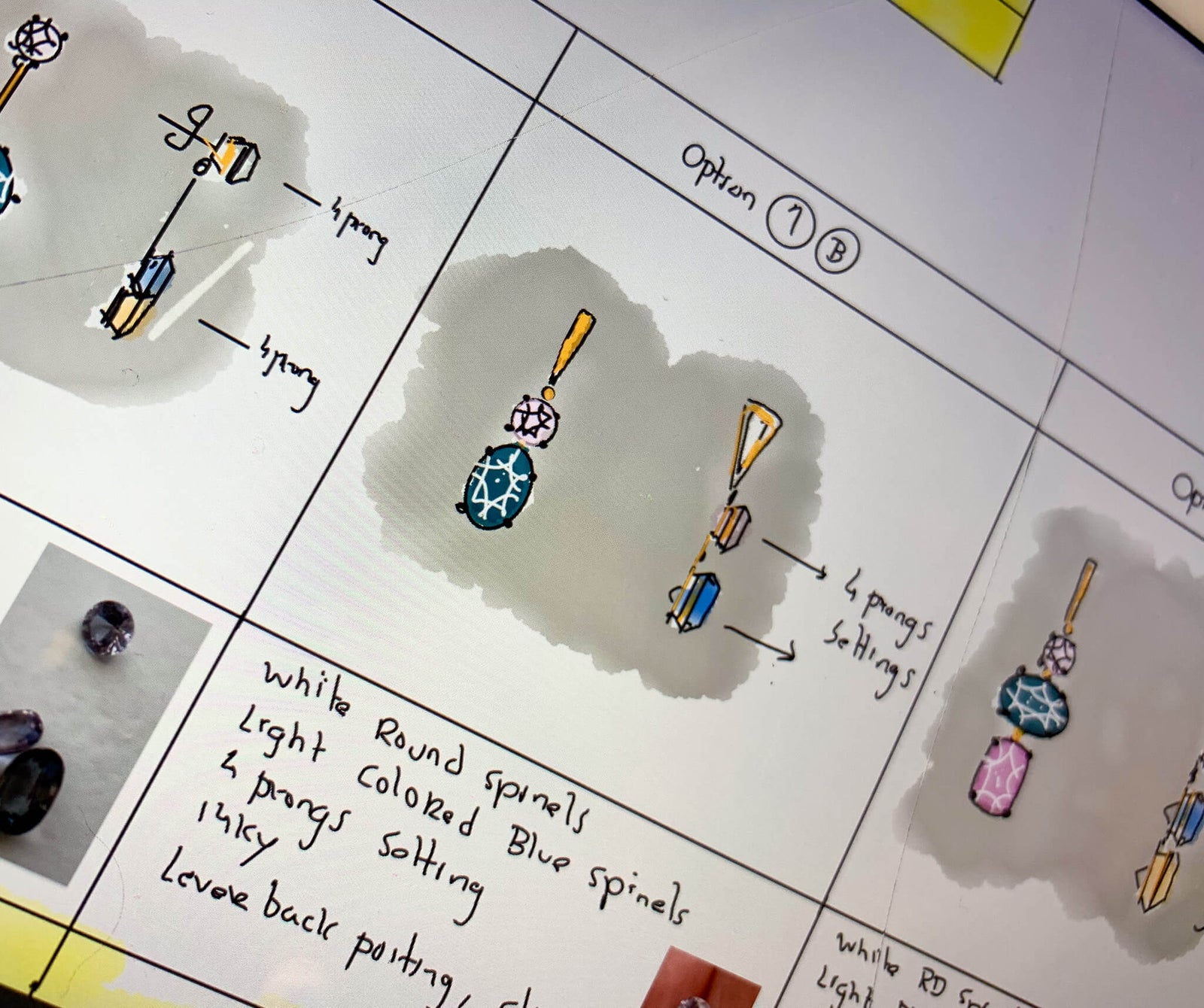
Redesign does not have to mean starting over from nothing, and it does not have to mean keeping everything either. I have reset a single stone from a cocktail ring into a slim, everyday band. I have taken a brooch that hadn't left its box in decades and pulled a cluster of small diamonds out of it to scatter into a necklace someone actually reaches for in the morning. Sometimes the most respectful thing you can do for an inherited piece is let one meaningful element step into a new role, rather than asking the whole object to survive intact in a form that never gets worn. A piece sitting in a drawer, however sentimental, is not really honoring anyone. A piece you put on and think of them is.
I want to be honest that this process can bring up more feeling than people expect. Deciding to change something that belonged to a parent or grandparent can stir up grief, guilt, or a surprising amount of relief, sometimes all in the same conversation. That is normal, and it is part of why I don't rush this kind of project. We talk it through, we look at options without any pressure to commit right away, and we move at whatever pace feels right for you. There is no deadline on making peace with a piece of family history.
If you have a ring, a pendant, or a box of odds and ends that you have been meaning to "do something with" for years, that instinct is worth listening to. It usually means the story attached to that jewelry still has more to give, it just needs a form that fits who you are now. I would love to see what you have and talk through what might be possible. You can reach out to set up a consultation here, or browse a bit of my work at anacavalheiro.com to get a feel for how I approach this kind of project.



Leave a comment (all fields required)