

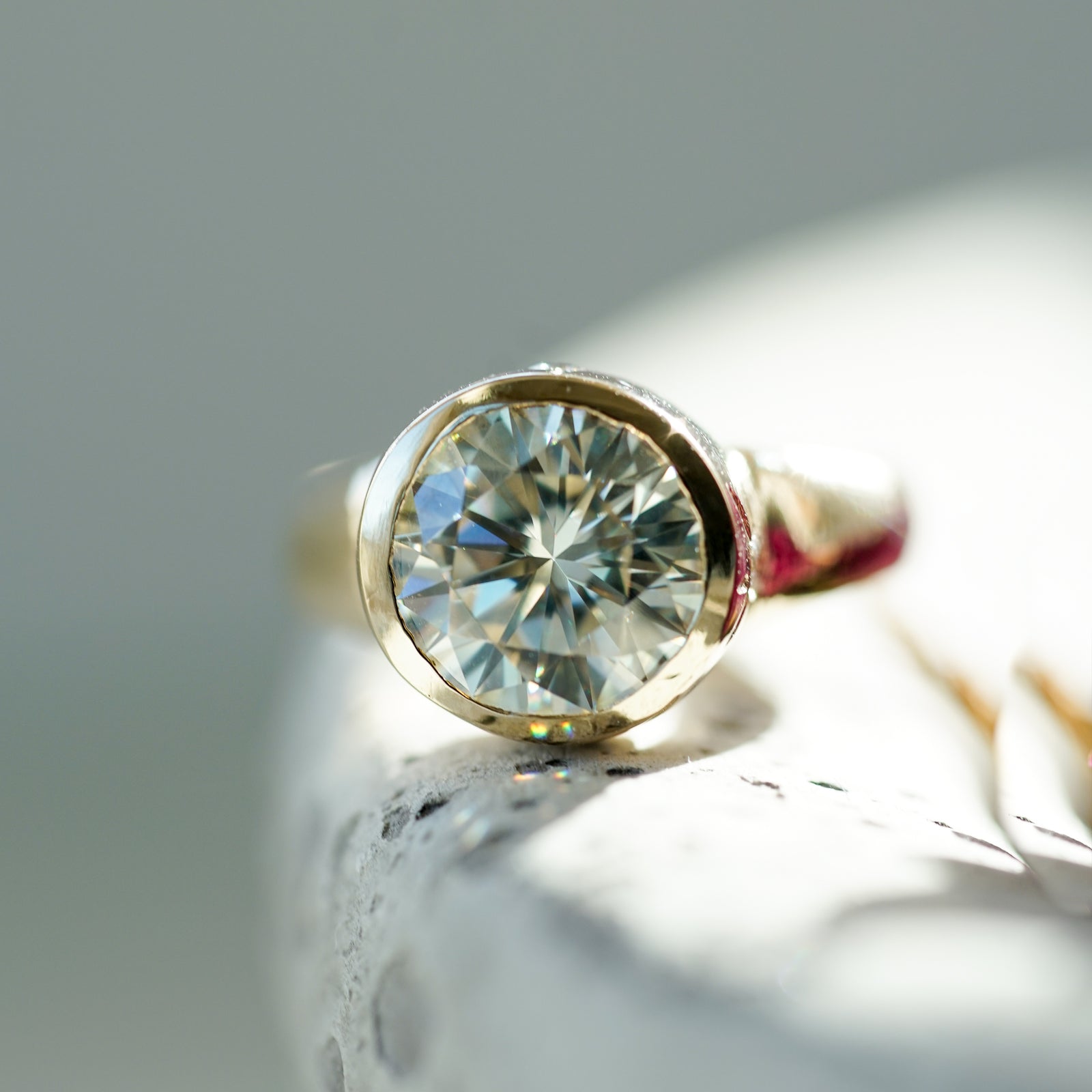

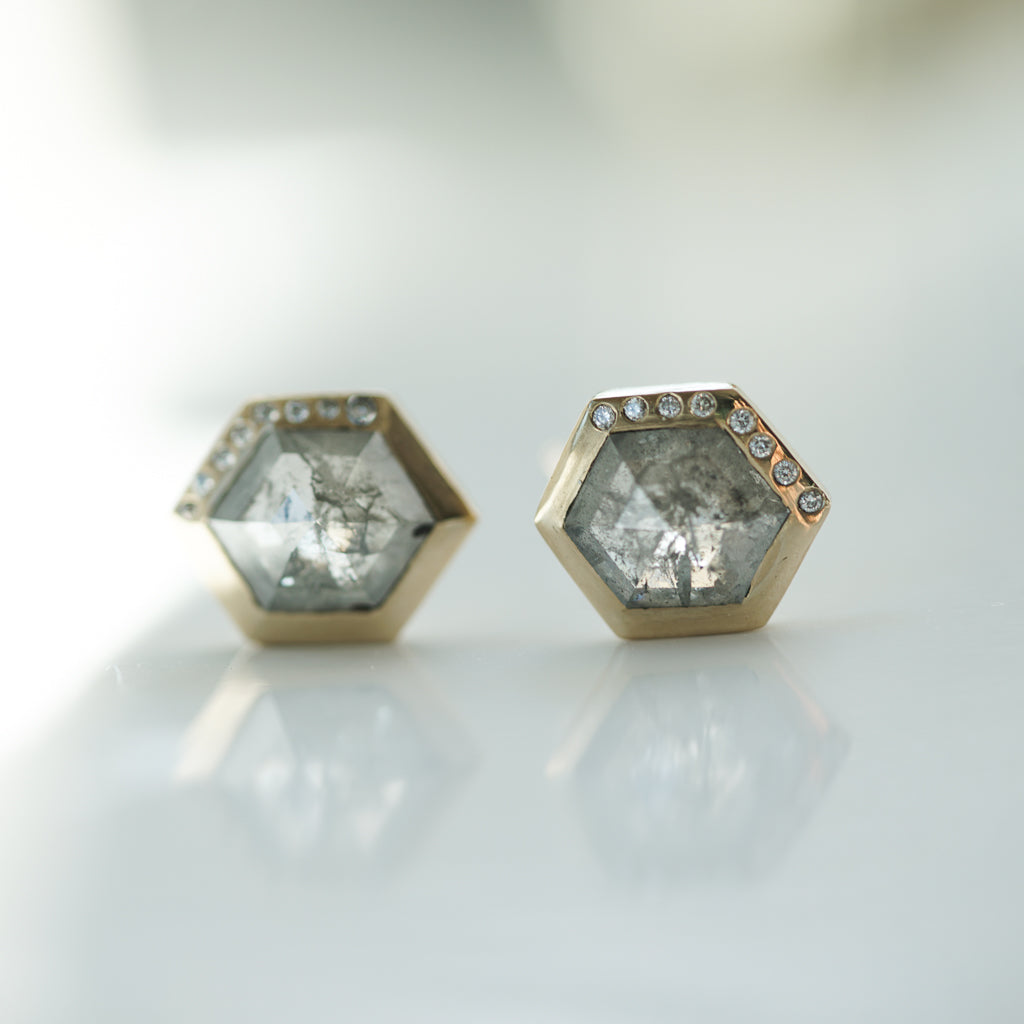

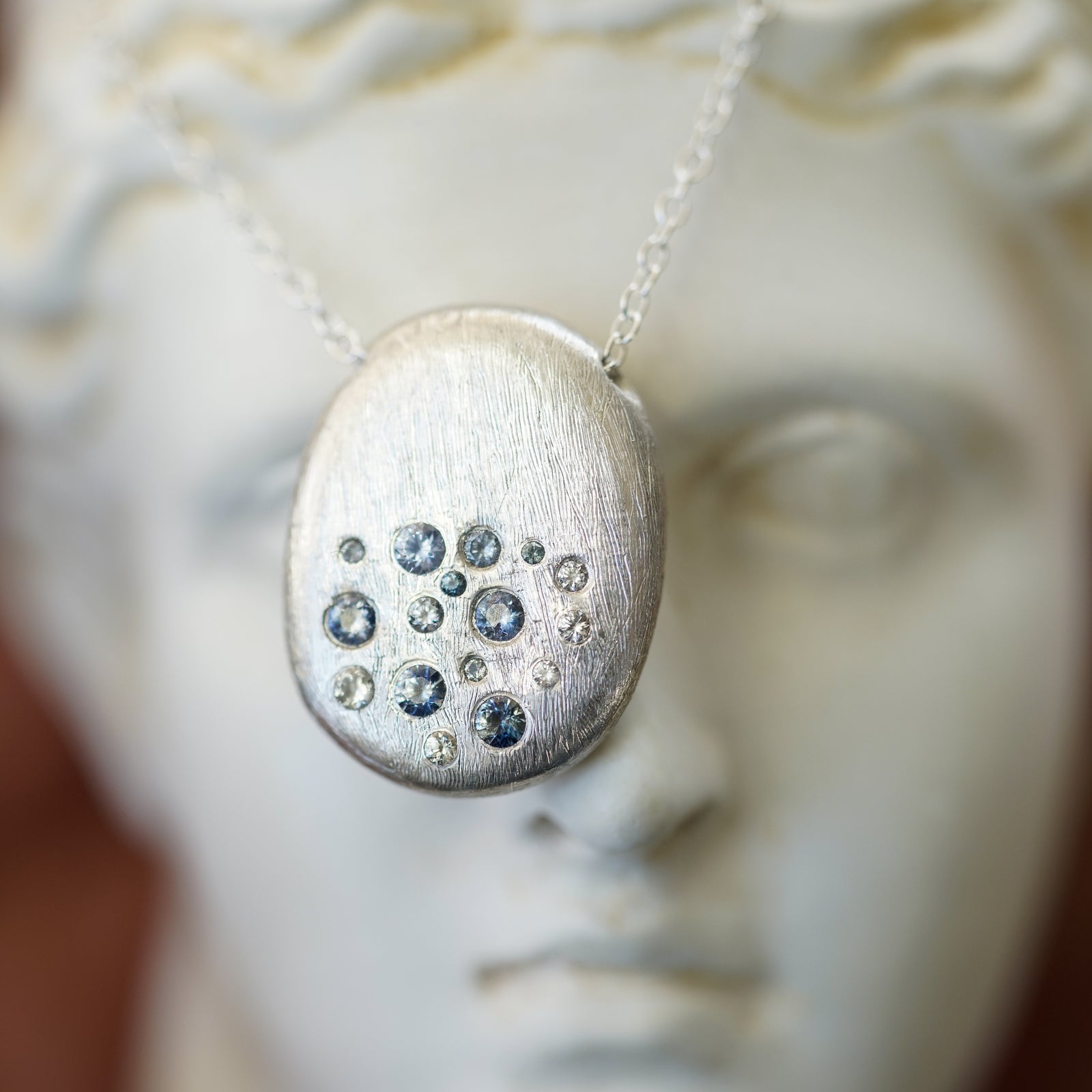

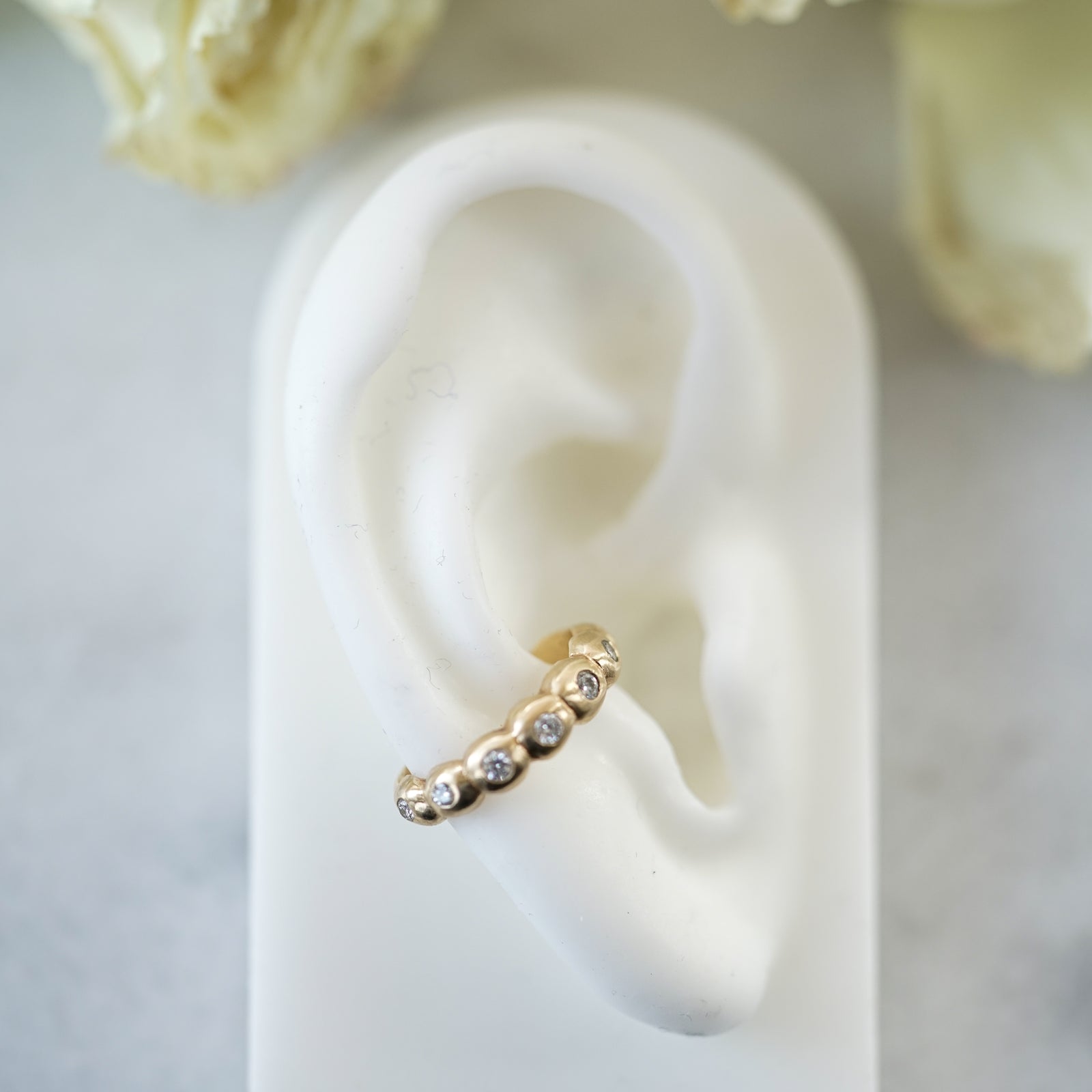







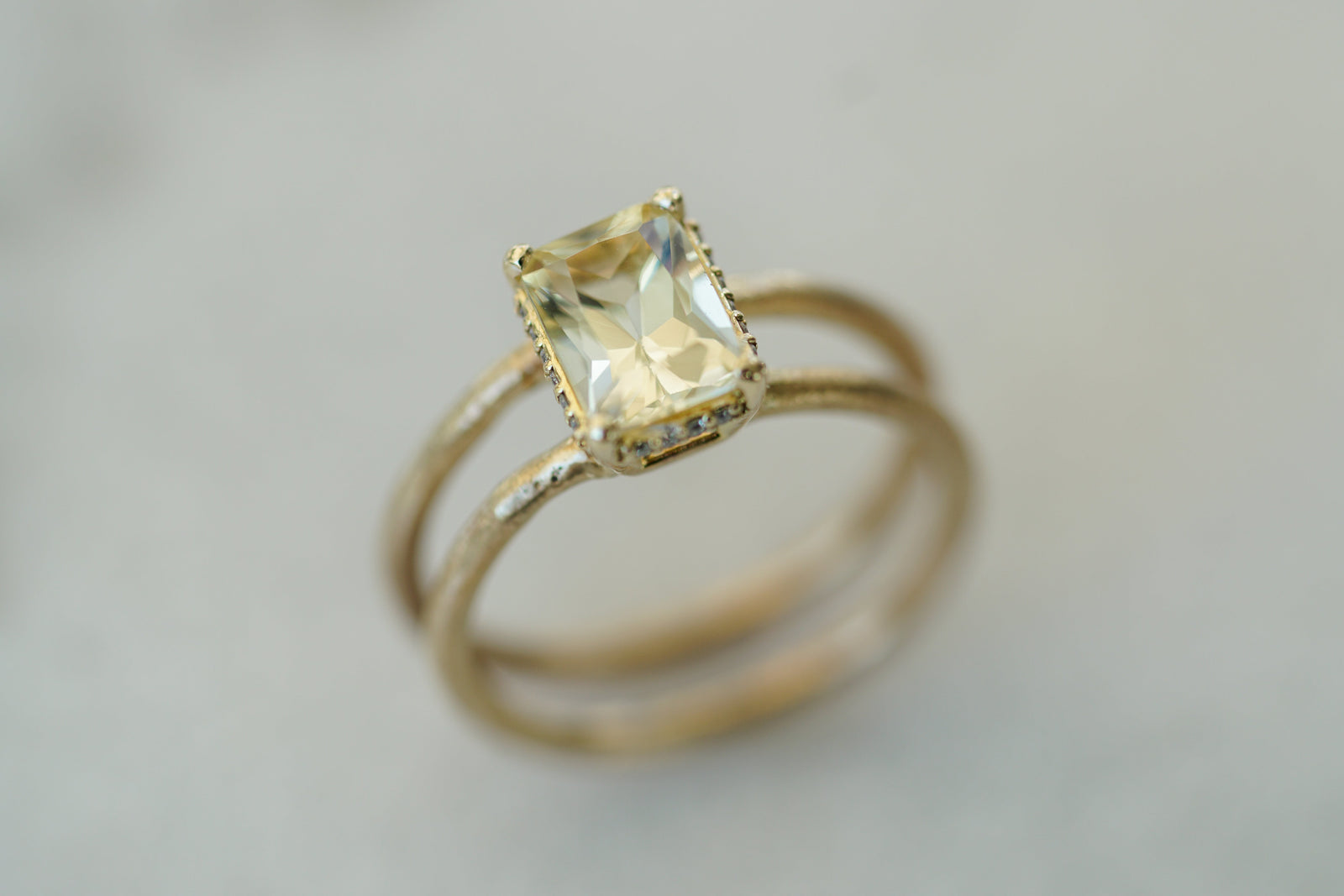

One of the questions I get asked most often is some version of: "Why does this take so long?" A client sees a beautiful ring and wonders why their own piece, made just for them, can't come together in an afternoon. It's a fair question, and I love answering it, because the timeline isn't a bottleneck — it's the process itself. Every week that passes is a week where something real is happening to your piece.

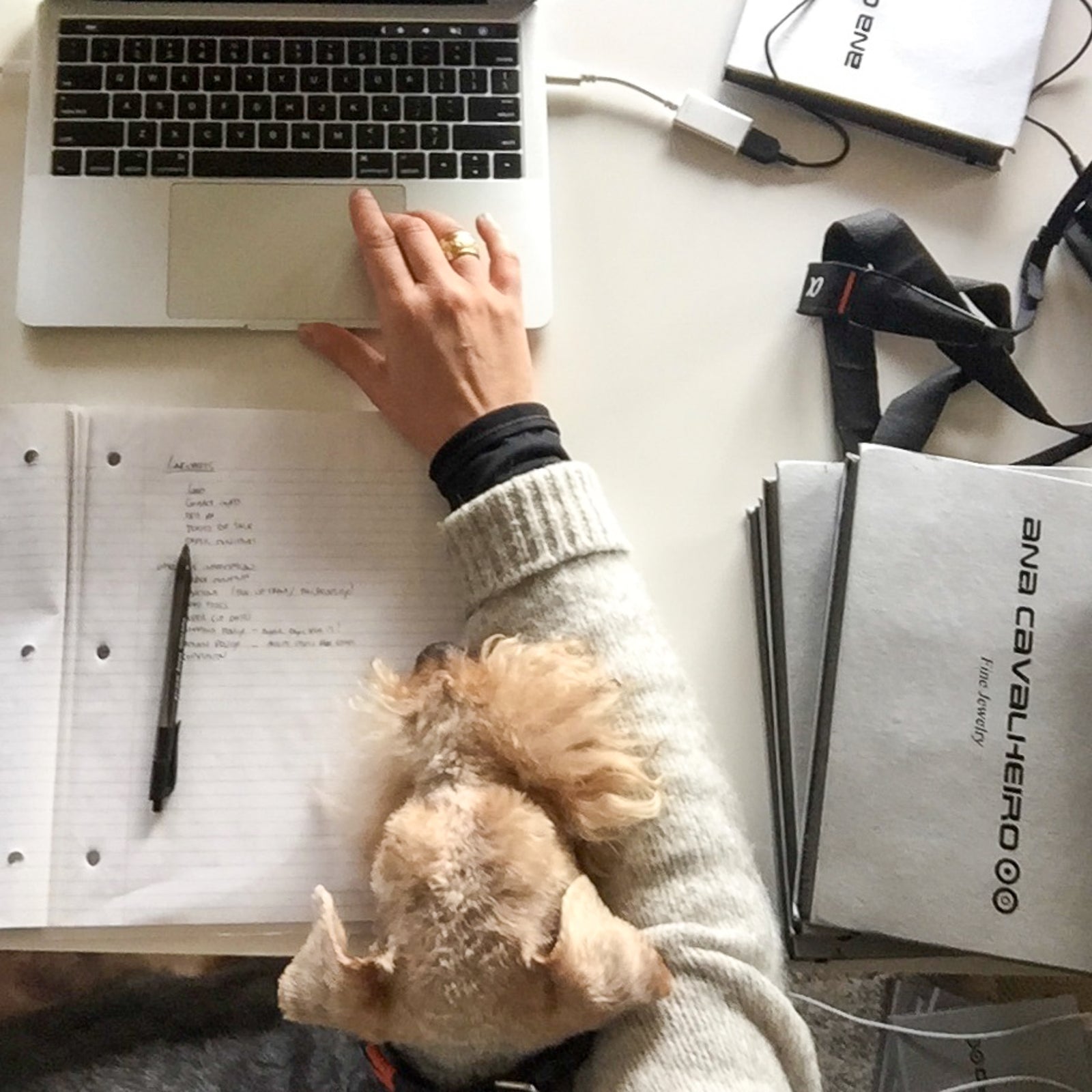
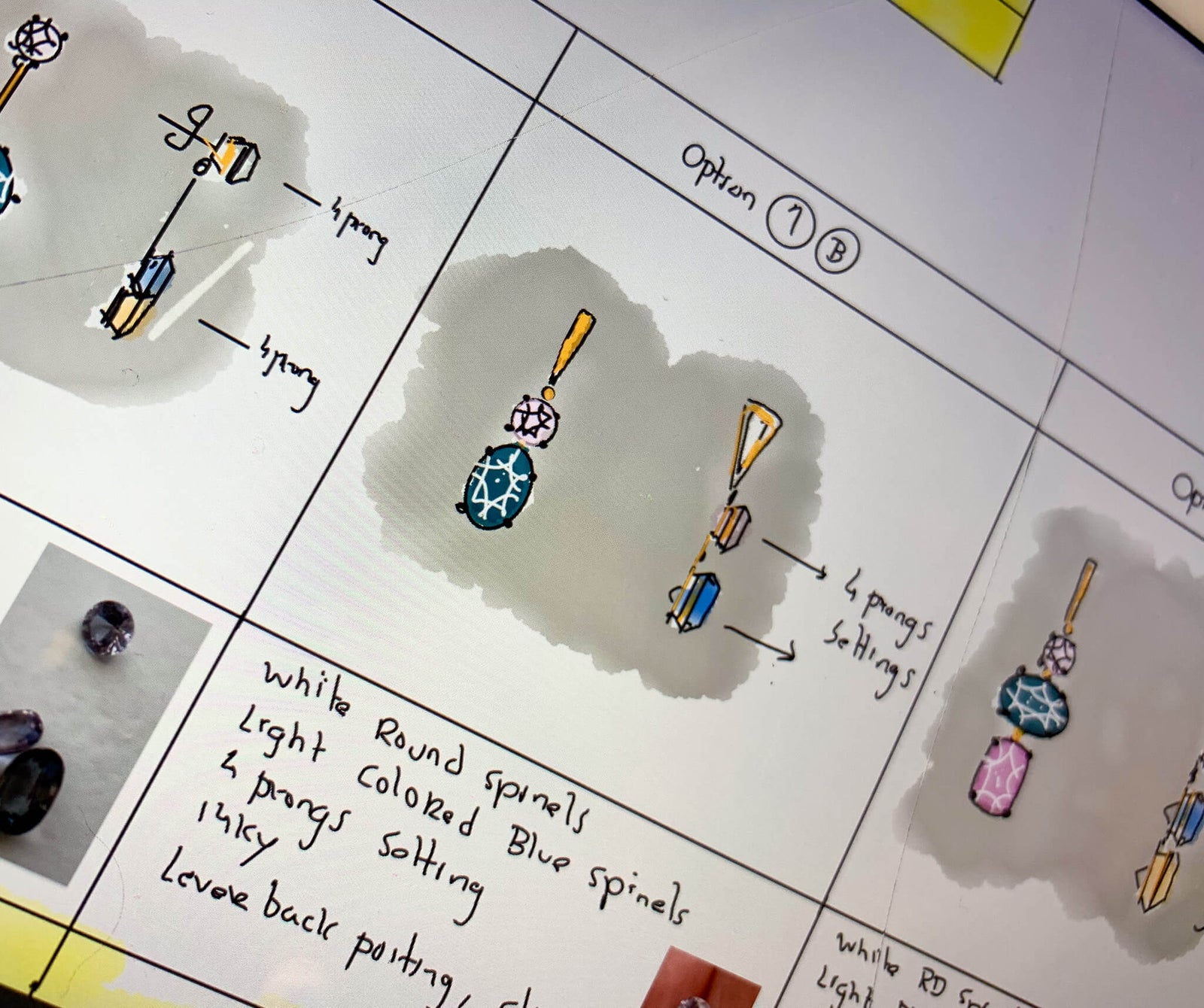
It starts with sketching, and sketching is slower than people expect. A first conversation gives me a feeling more than a plan — a story, a stone, a photo of someone's grandmother's hands. Translating that into a design that actually works on a finger or around a neck takes several passes. I'll draw a version, sit with it, and often throw it out entirely because the proportions don't serve the story we're telling. This isn't indecision. It's the same reason a tailor doesn't cut fabric on the first fitting. Sometimes it's the client themselves. It takes time for them to process the information, to make decisions, to think what they really want. Making a piece is a commitment.
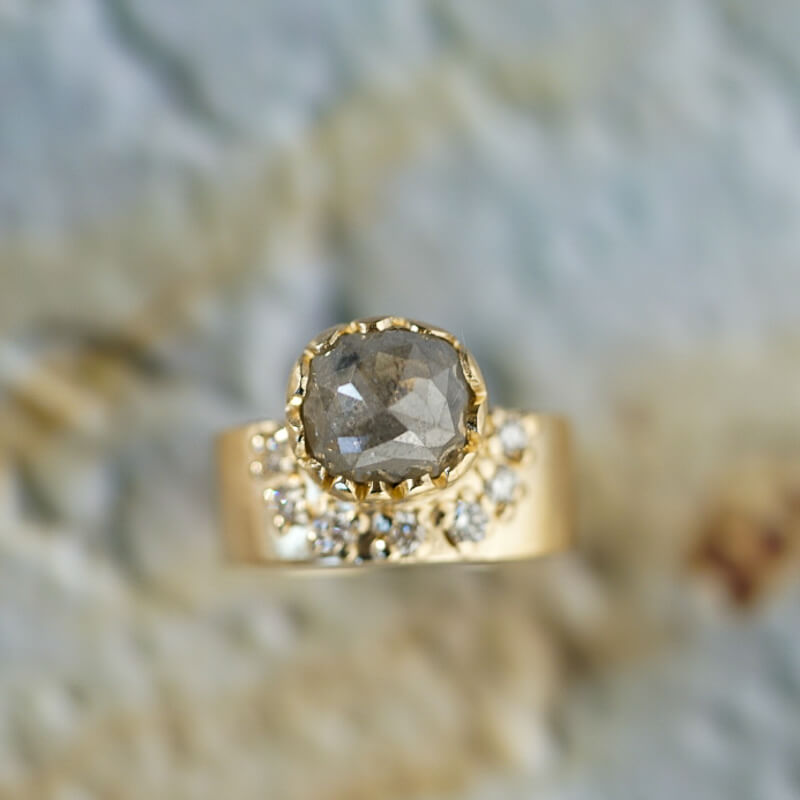
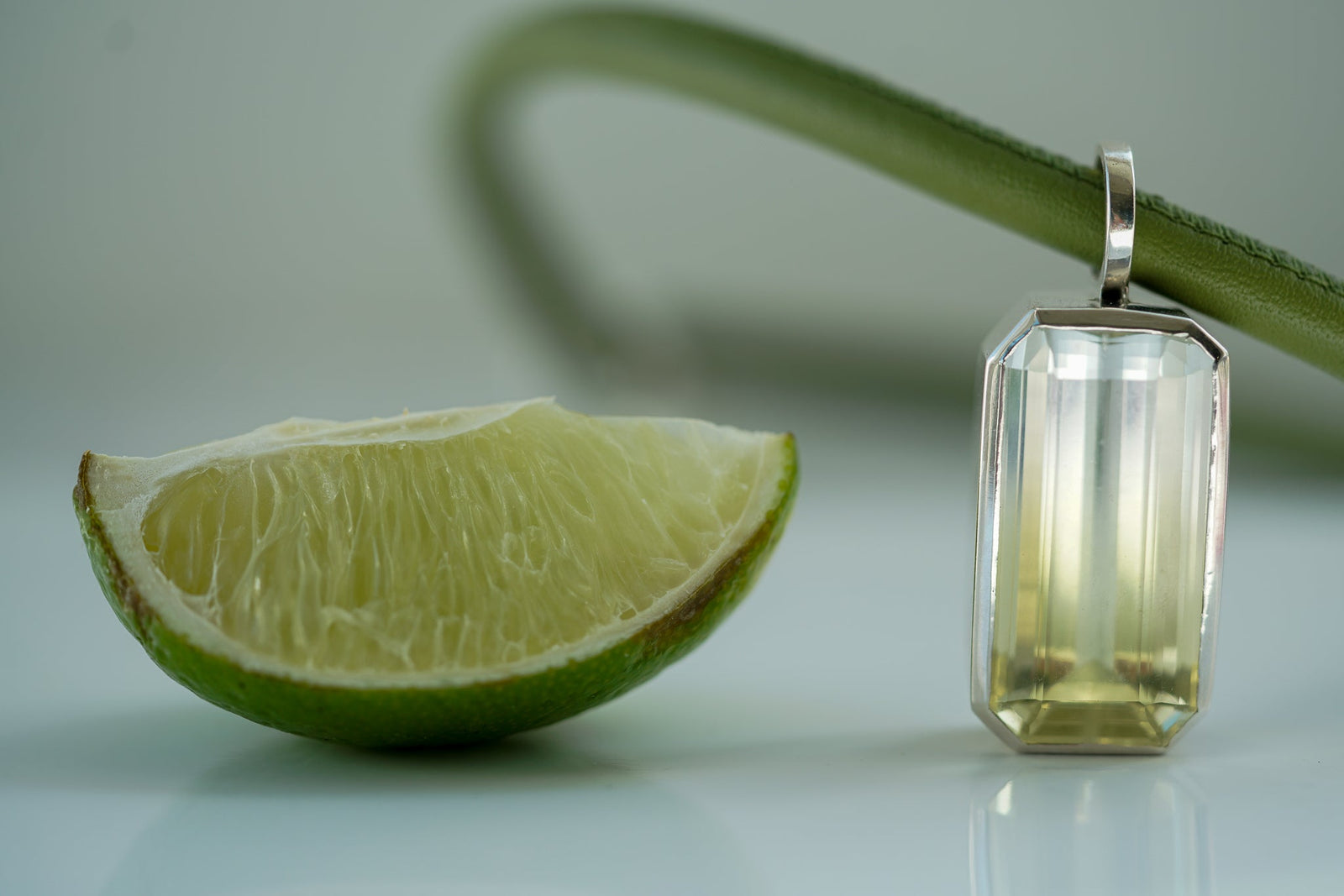
Then there's sourcing. If we're working with a stone that isn't already in hand, I'm looking at parcels, calling dealers, sometimes waiting on stones to travel from overseas. A good stone isn't just "a diamond" or "a sapphire" — it's a particular cut, a particular color temperature, a particular way it catches light that fits the design we've settled on. I won't set a mediocre stone into a piece just to hit a deadline, and most of my clients, once they understand this, don't want me to either.
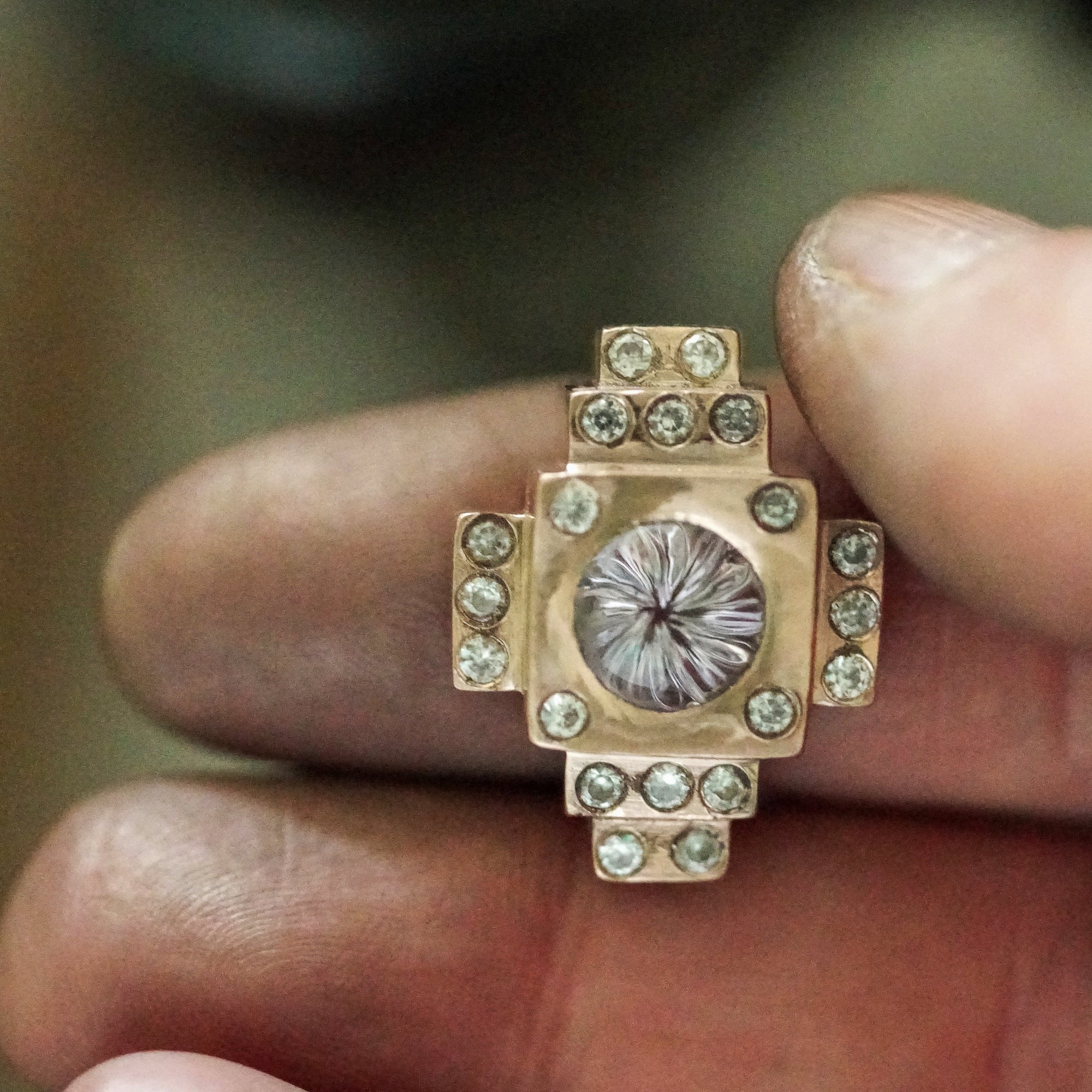
Once the design and stone are settled, we move into wax. I carve a wax model of the piece so we can both see it in three dimensions before any metal is touched — this is often the moment a client truly understands scale for the first time, and it's not unusual to make small adjustments here: a slightly lower setting, a touch more width in the shank. You'll probably try it on your finger if it's a ring and you will see how it fits you. From there the wax is cast in metal, which involves its own waiting — investing, burnout, casting and cooling can't be rushed without risking the integrity of the piece.
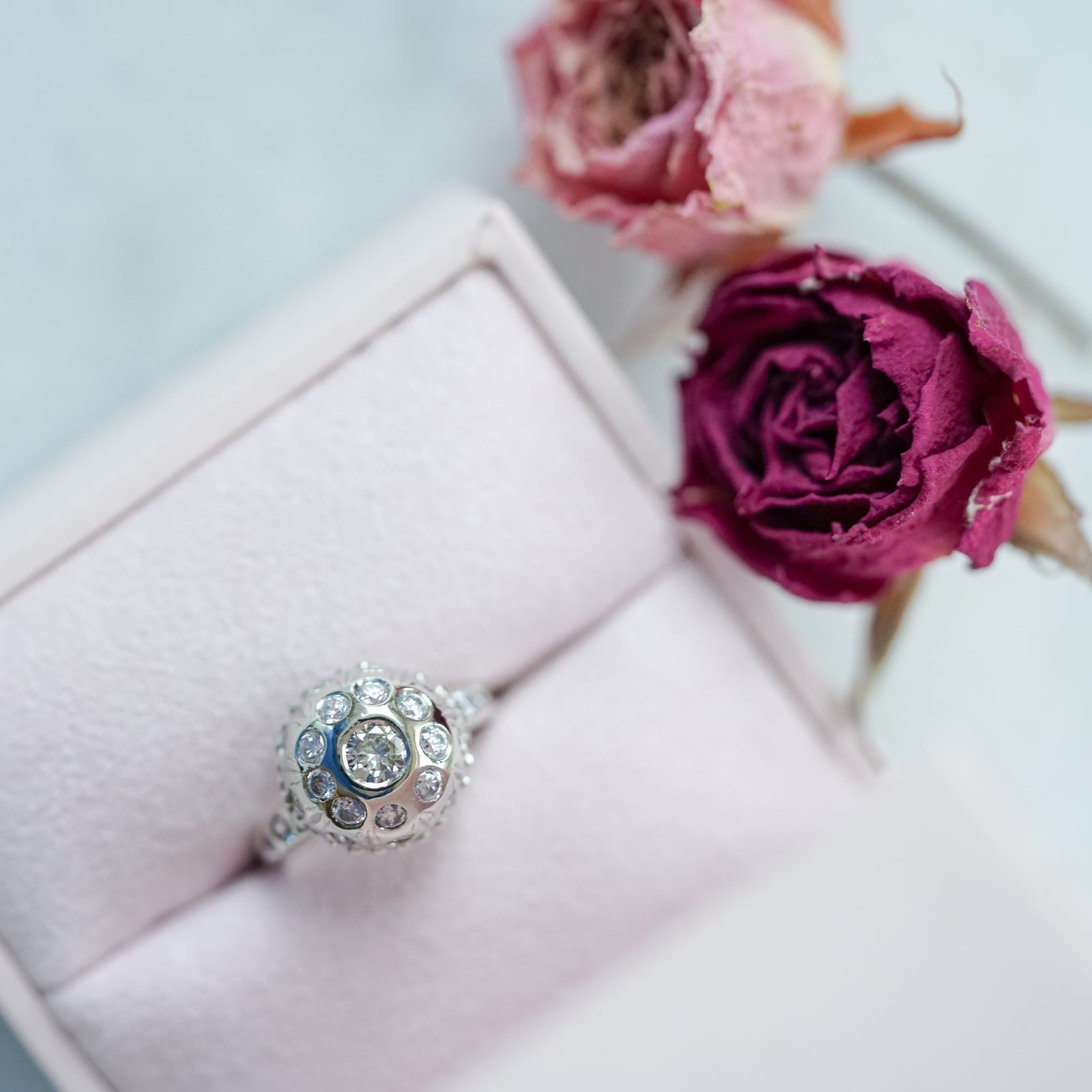
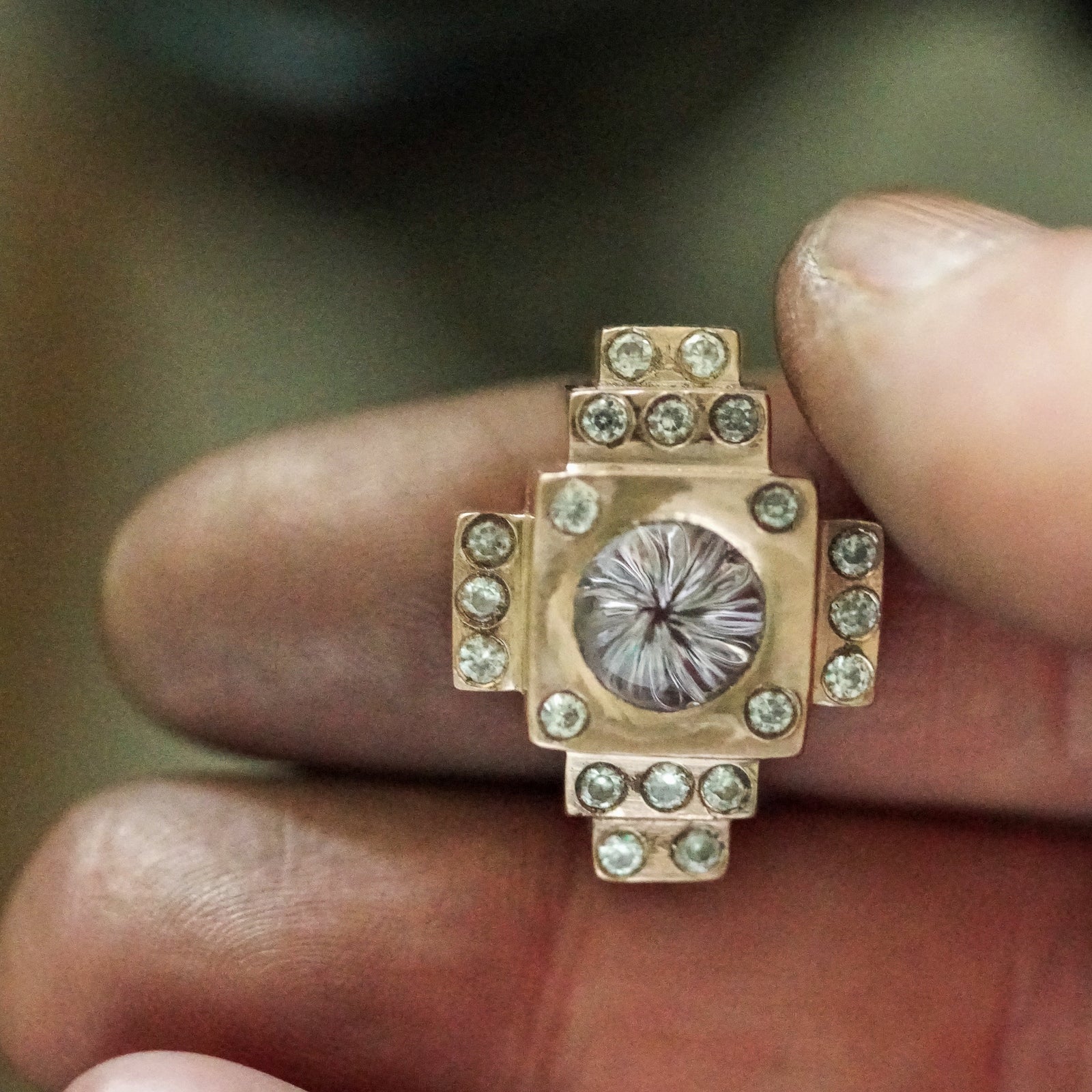
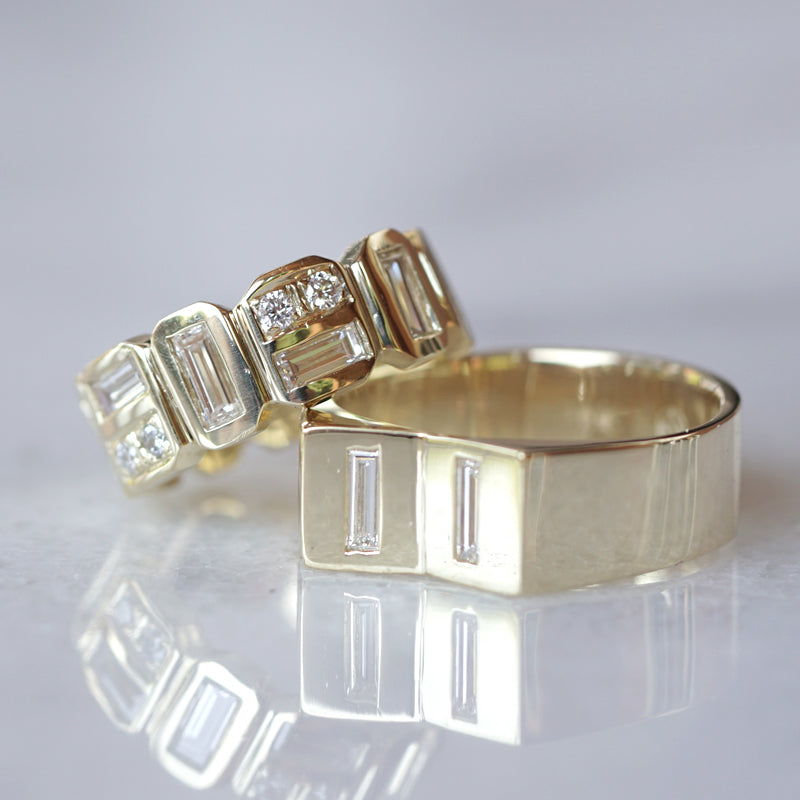
After casting comes the part that separates a good piece from a forgettable one: setting and finishing. The piece is filed, sanded, and polished — sometimes across several rounds, because a rushed polish shows on the skin in a way it never shows in a photograph. Stones are set by hand, prong by prong or bezel by bezel, checked for security under a microscope. If something isn't sitting right, I go back a step rather than send it out the door. That's not a delay; that's quality control doing its job.
So when a bespoke piece takes six, eight, or twelve weeks, that time is sketching, sourcing, waxing, casting, setting, and finishing — with real thought and real hands behind each stage, and often a revision or two built in on purpose. It's slower than a shop shelf because it was never meant to be a shop shelf. It was meant to be yours.
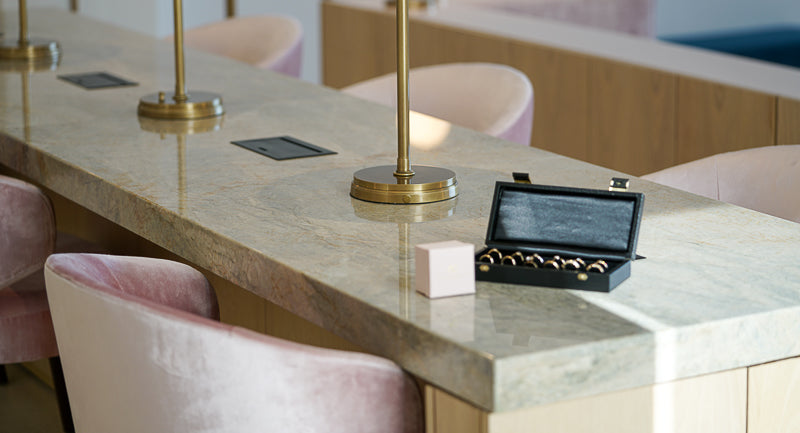
If you're curious what the process would look like for your own piece, I'd love to talk it through with you — you can reach out to set up a consultation here.
Or you can browse the current collection at anacavalheiro.com in the meantime.



Leave a comment (all fields required)