












A client sat across from me a few weeks ago with her phone open to a folder of screenshots — a dozen rounded solitaires, nearly identical, saved from different jewelers' Instagram feeds. She wasn't sure what she liked about them individually. She just knew that when she pictured wearing one, she felt a little disappointed. That's usually where a bespoke engagement ring project actually begins: not with a clear vision, but with the quiet sense that whatever's already out there isn't quite it.
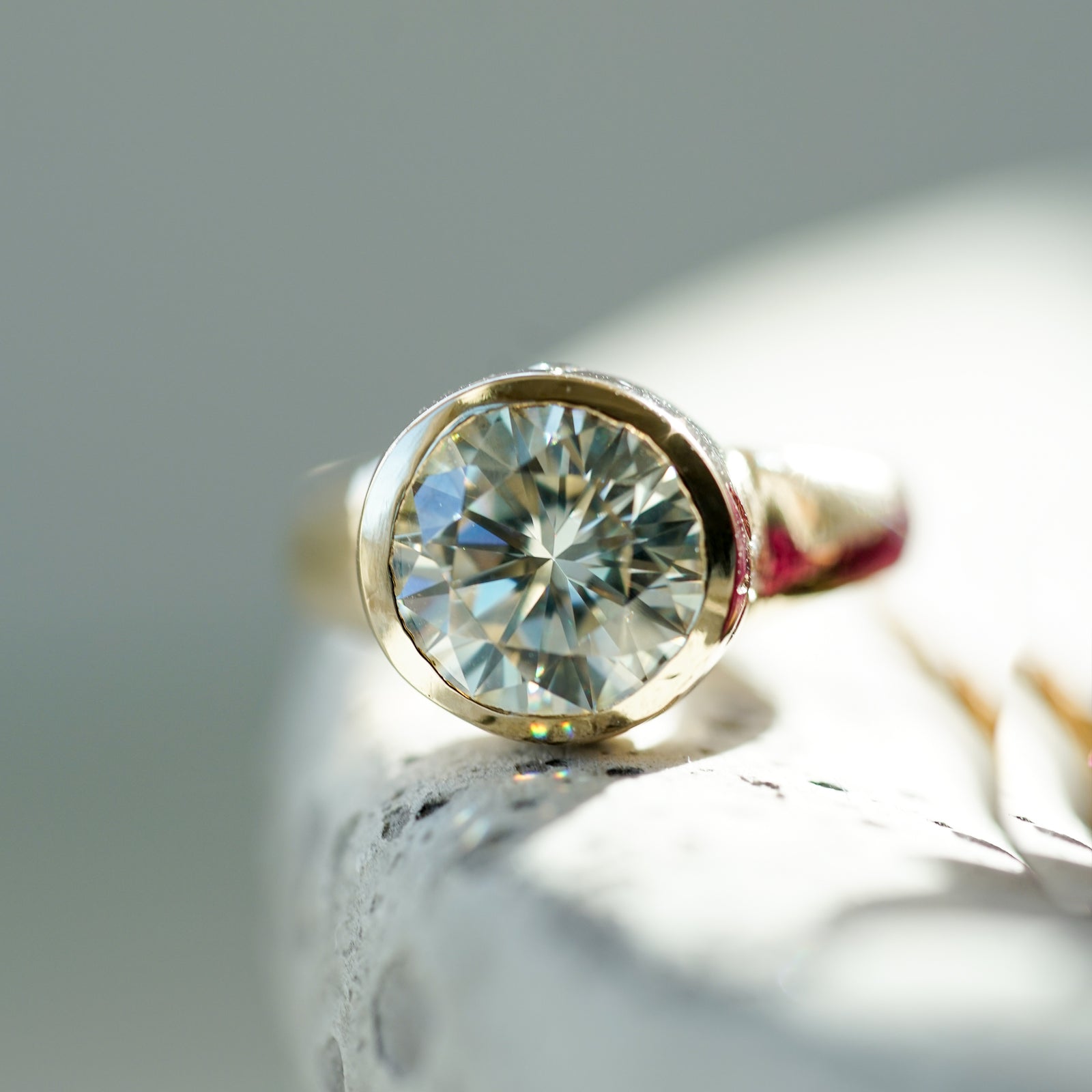
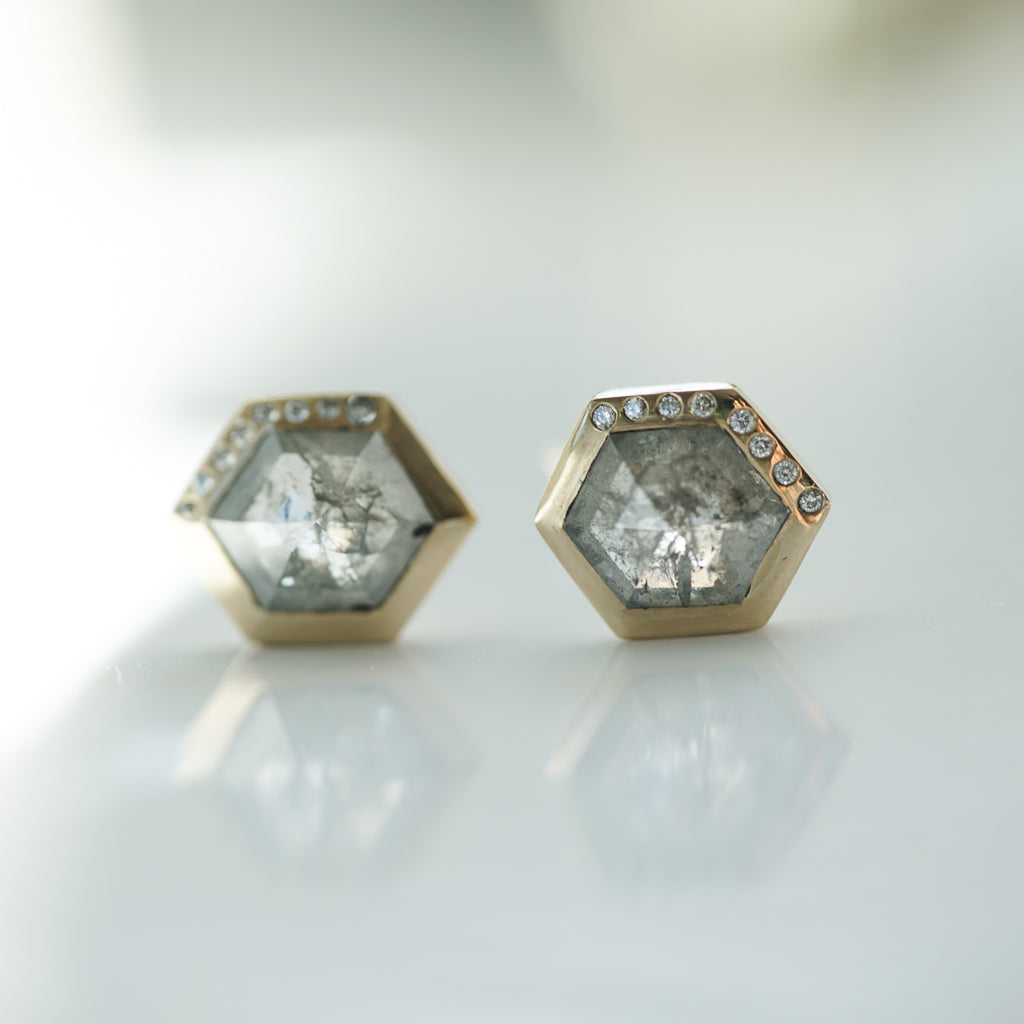
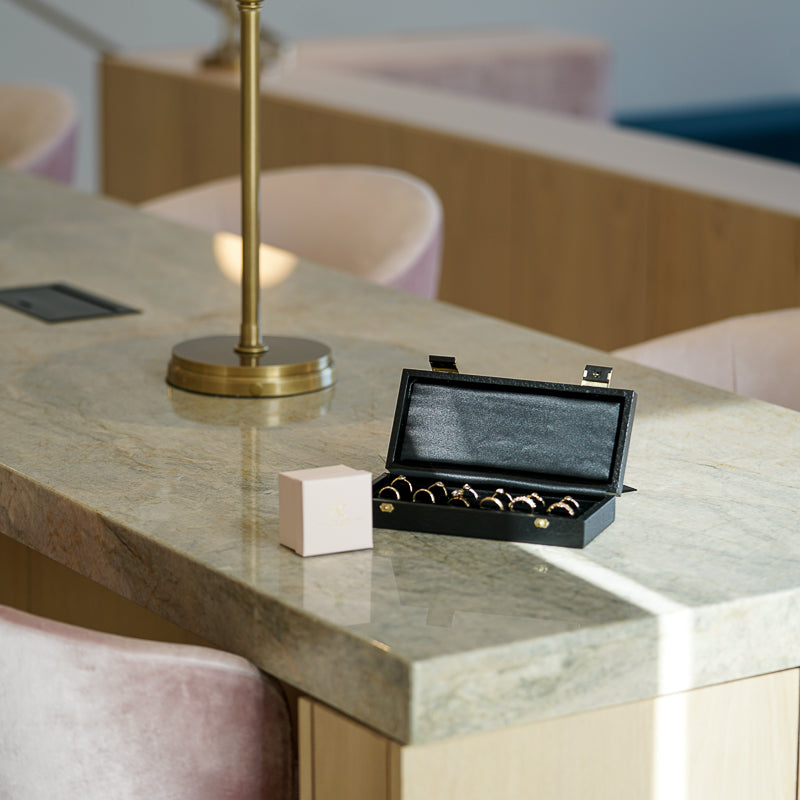
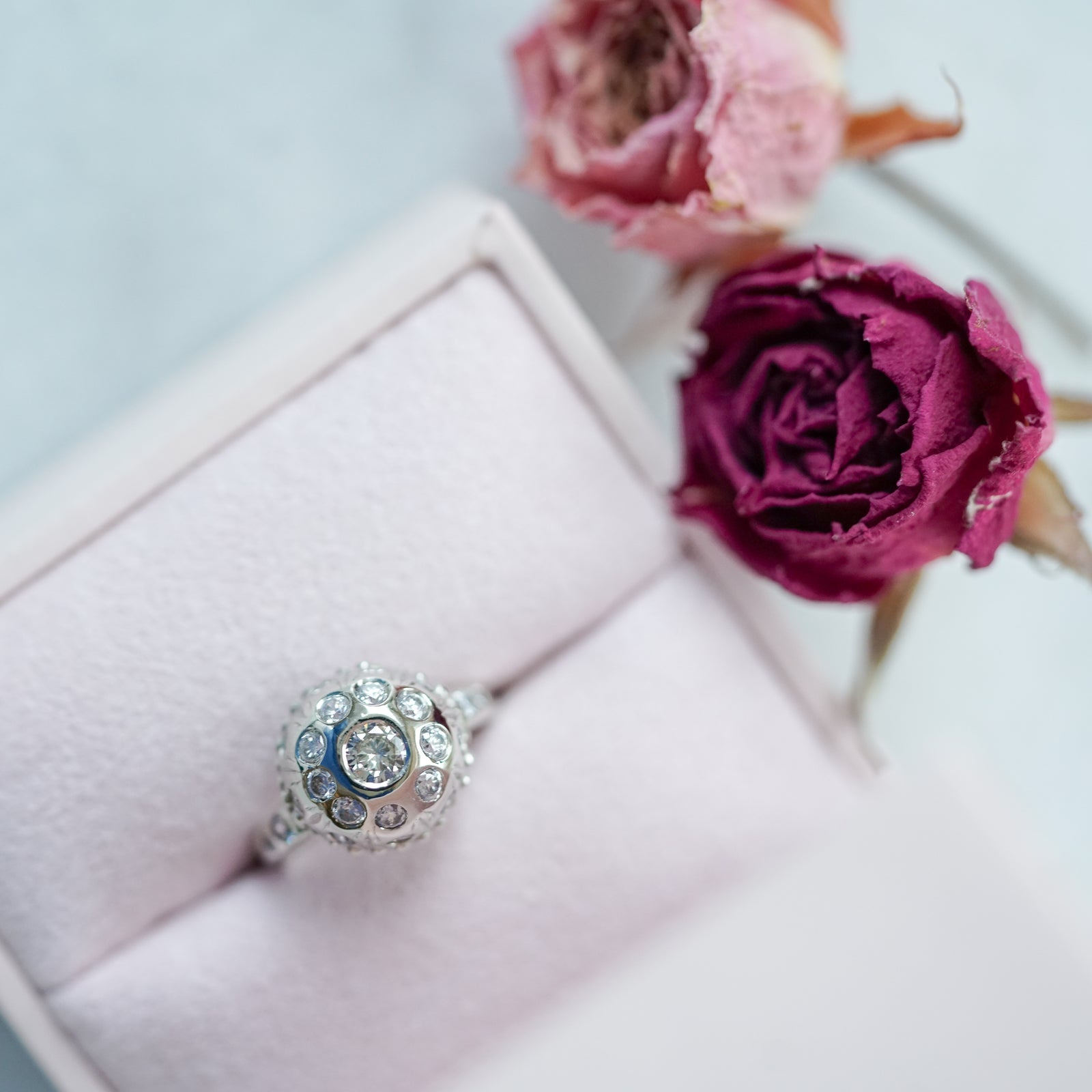
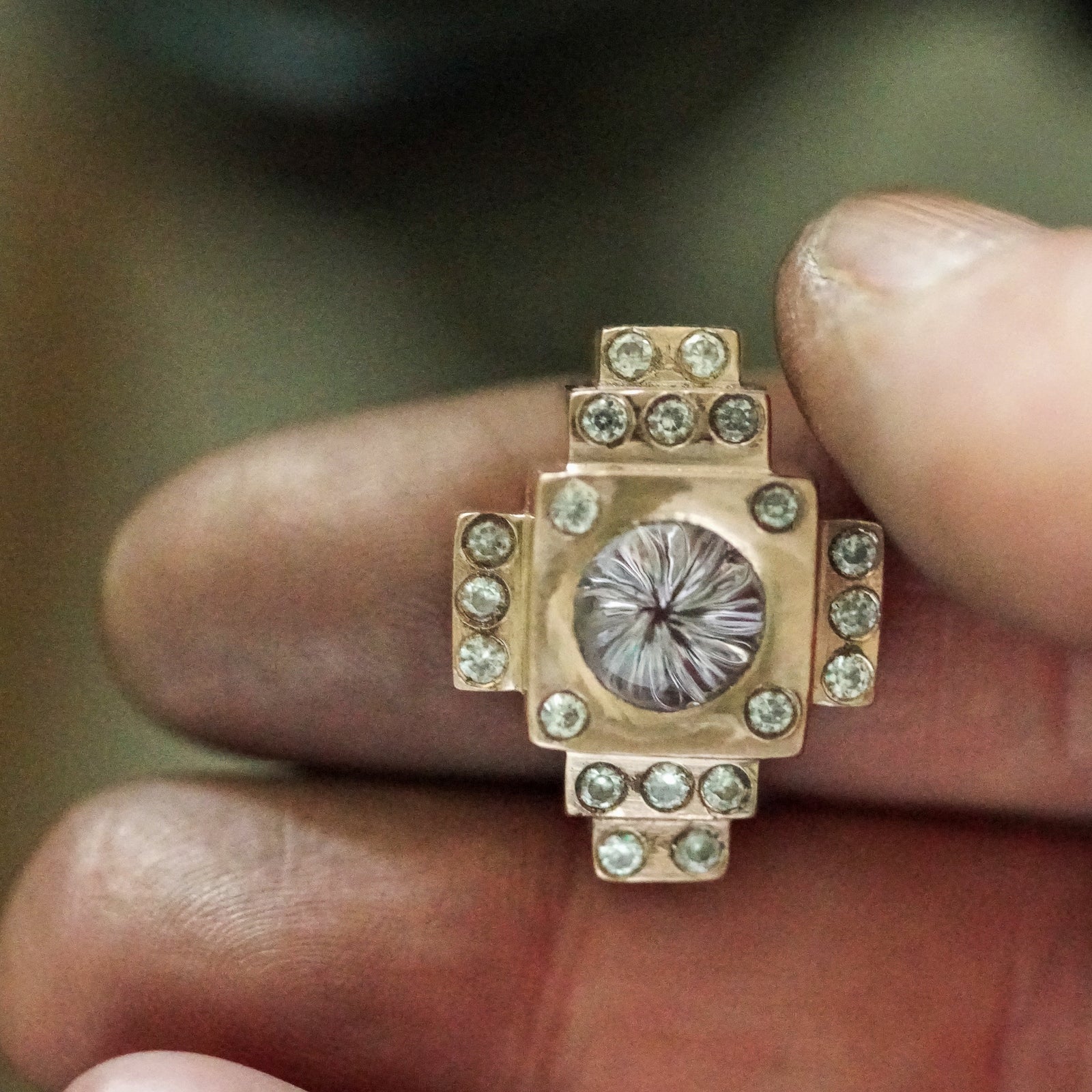
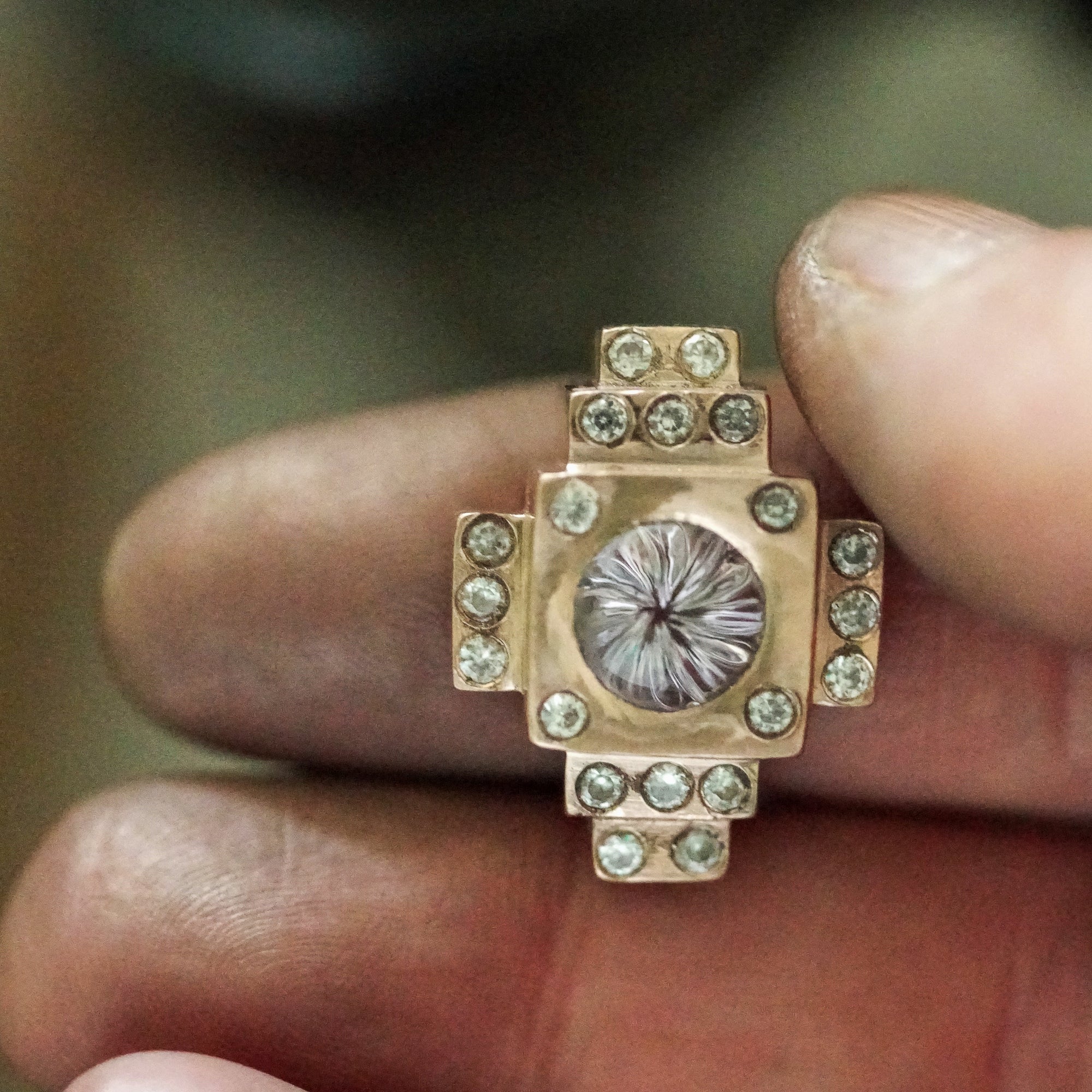
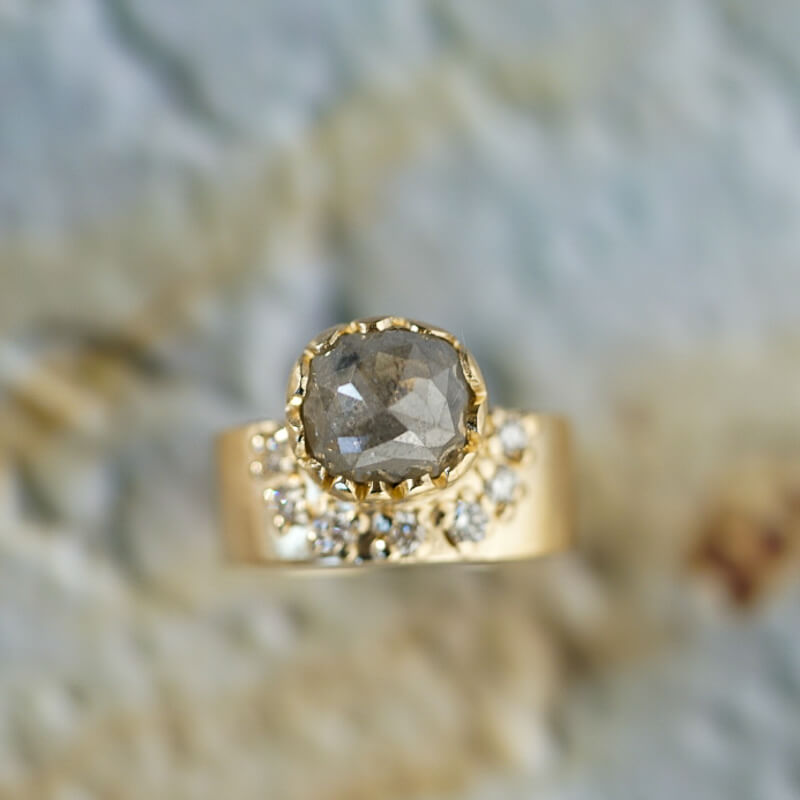
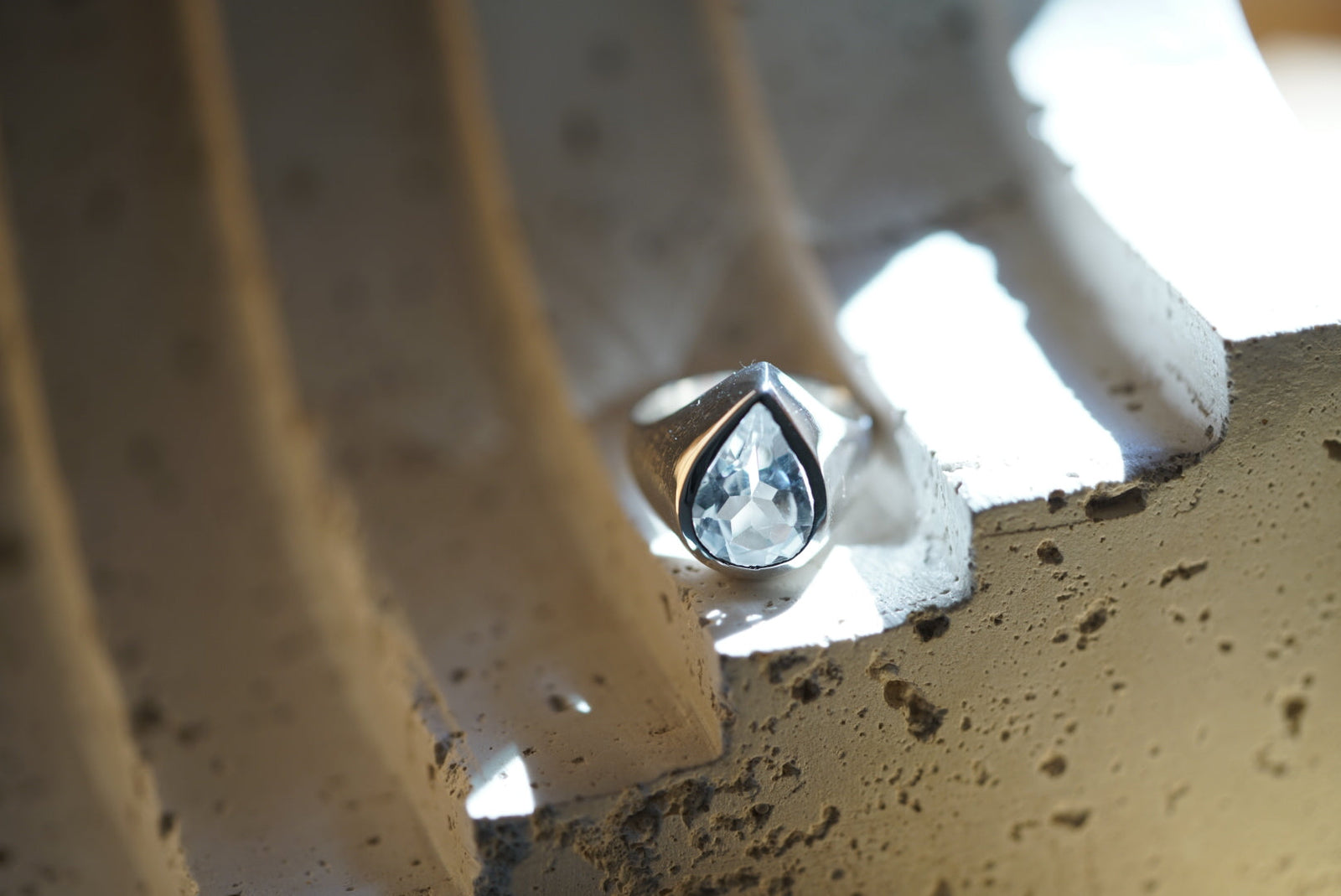
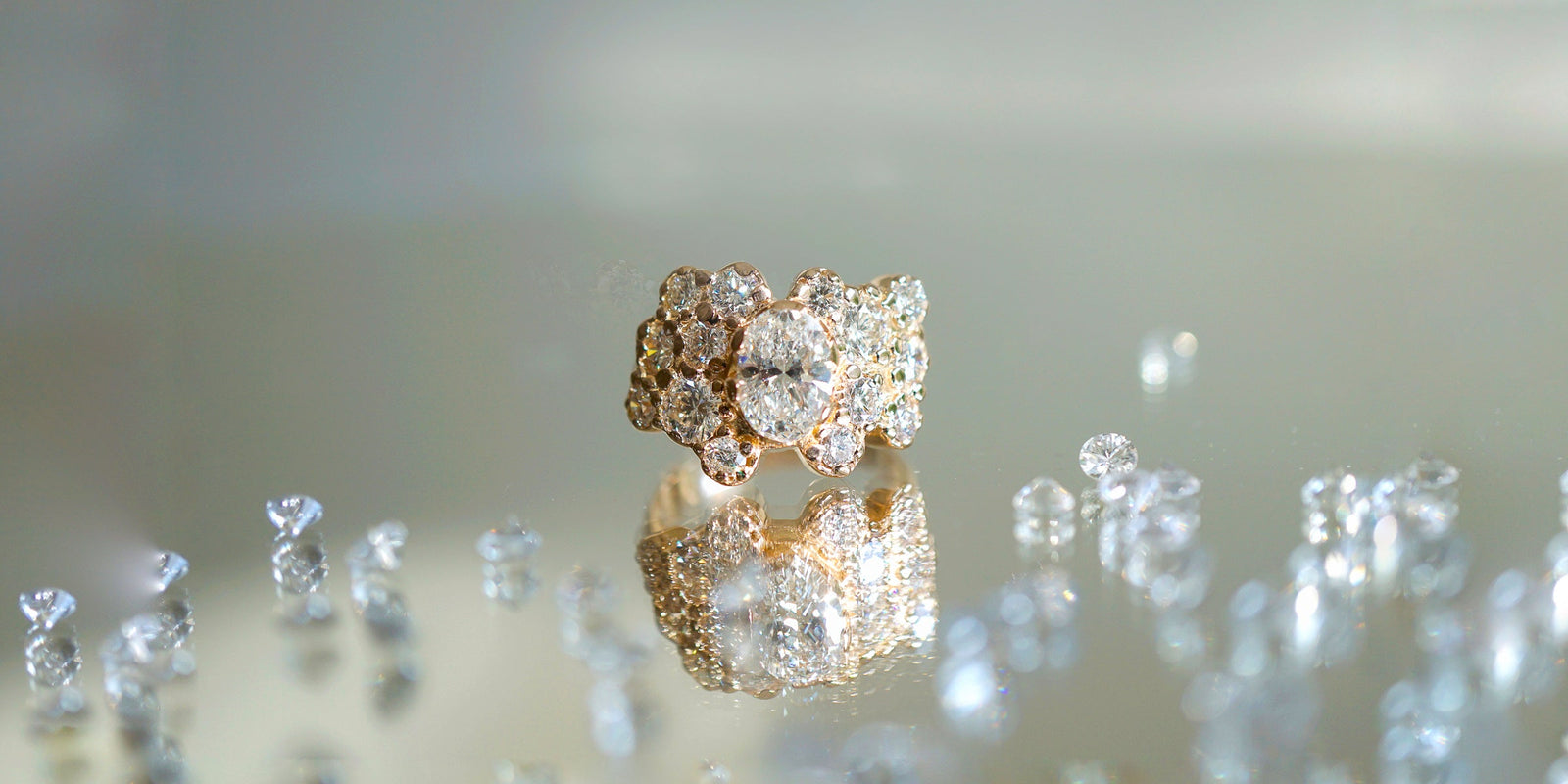
Stone shape is often the first real decision, and it's where a ring starts to diverge from the standard. A round brilliant reads as classic because it's everywhere, but an elongated cushion, a rose cut, or a salt-and-pepper diamond with its own internal weather changes the whole character of a piece before a single setting decision gets made. I'll often bring out trays of loose stones in different cuts and clarities during a first or second meeting, just so a client can hold them under light and see how differently they behave — an included stone can be more alive than a flawless one, and no photograph replaces seeing that in person.

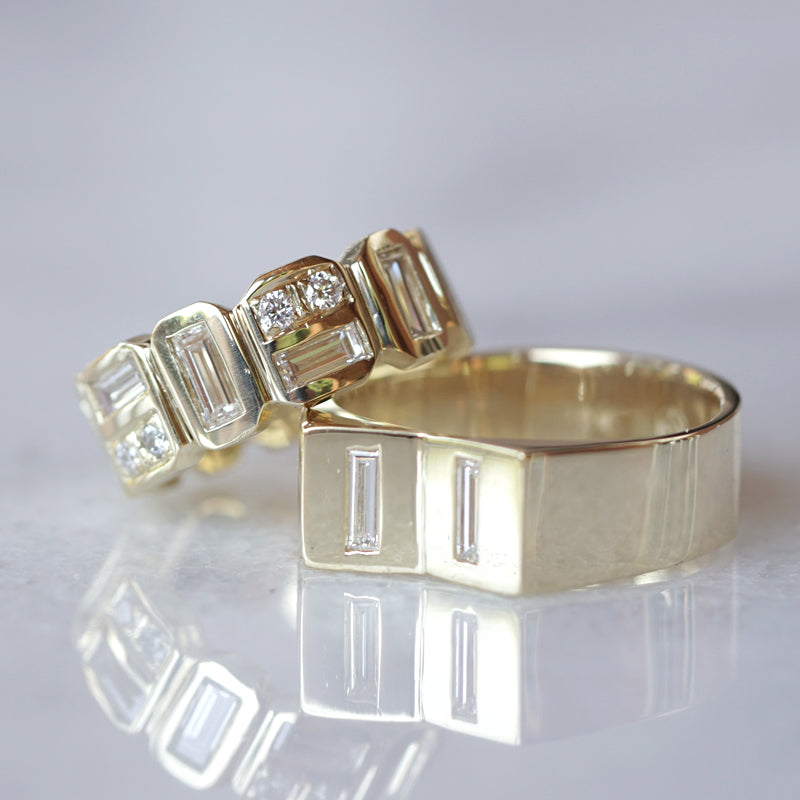
After the stone, proportion does more work than people expect. A stone set low and close to the finger reads completely differently than the same stone lifted in a tall gallery, and a band that's a half-millimeter wider or narrower changes how a hand looks in ways clients notice immediately once they try it on and almost never anticipate beforehand. This is part of why I like getting a wax version onto a client's finger before we cast anything — you can talk about proportion in the abstract for an hour, but five seconds wearing the actual scale of a design tells you more than the conversation did.
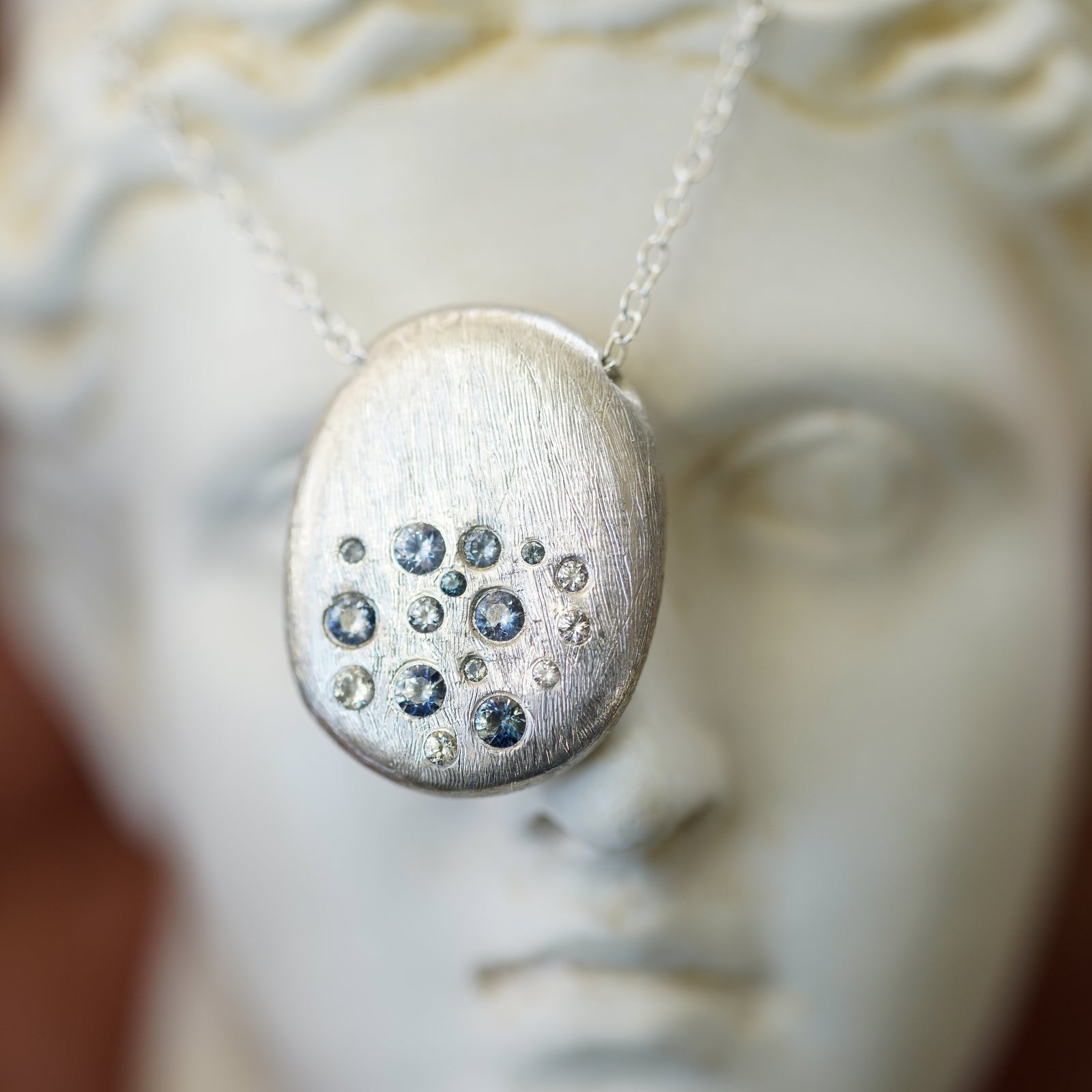
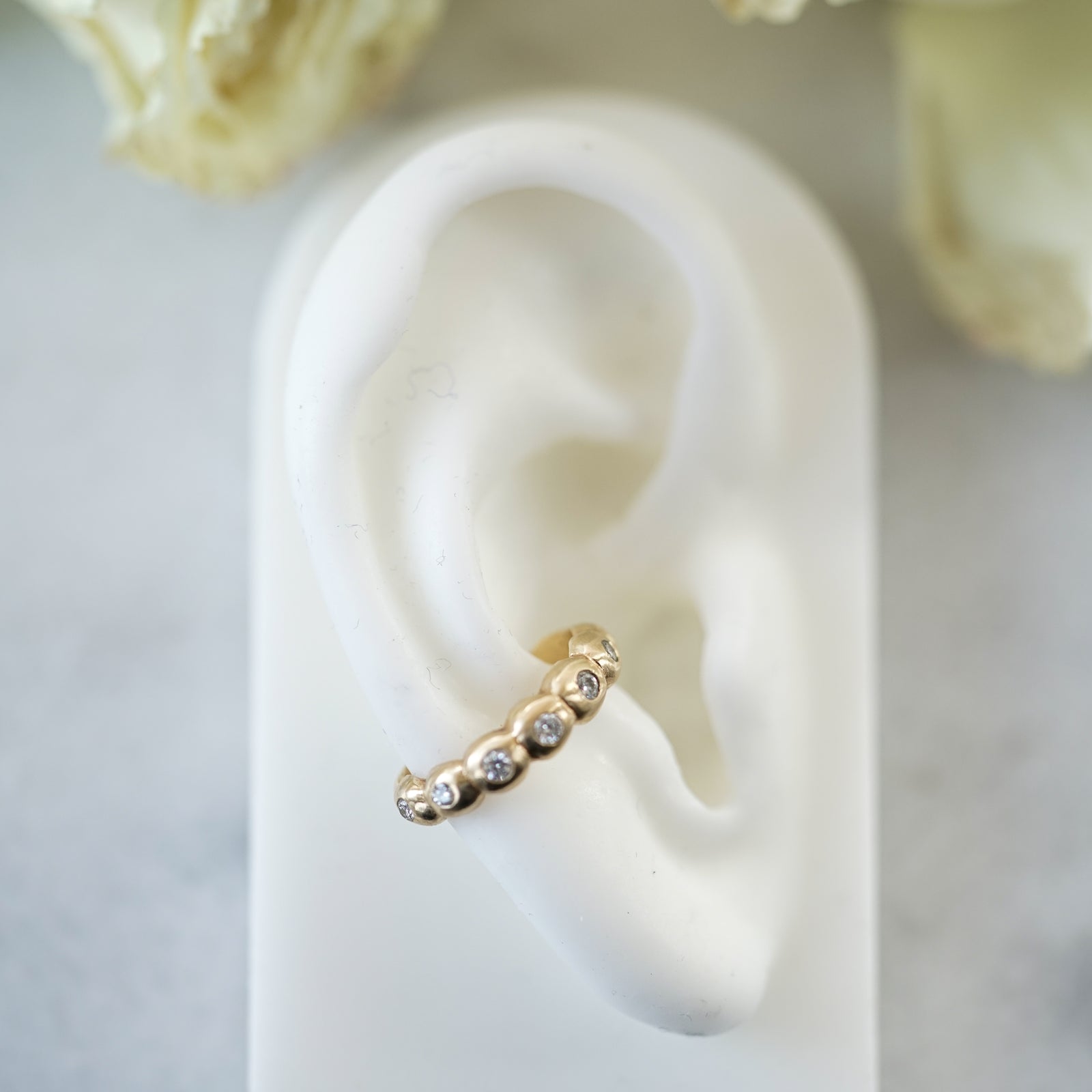
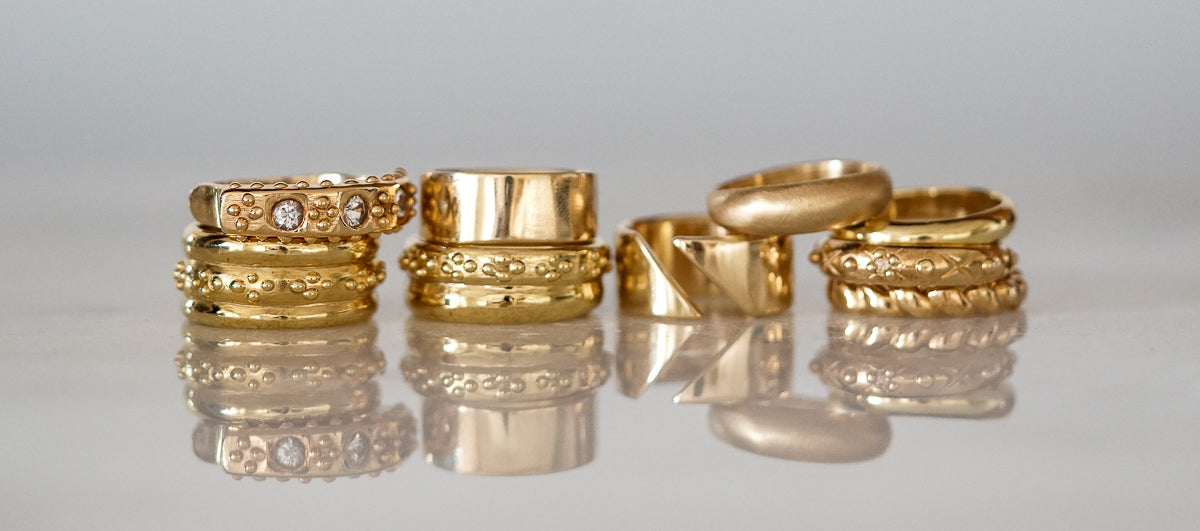
Metal choice matters here too, and it's rarely just about color preference. You can choose between 10K, 14K and 18K gold in yellow, rose or white colors. And also Platinum and silver for a white or grey color. Beyond the metal, the details that make a ring feel personal are usually small and mostly invisible: a date or initial engraved inside the band, a birthstone set where only the wearer will ever see it, a texture borrowed from a family piece. None of it needs to be loud to matter.
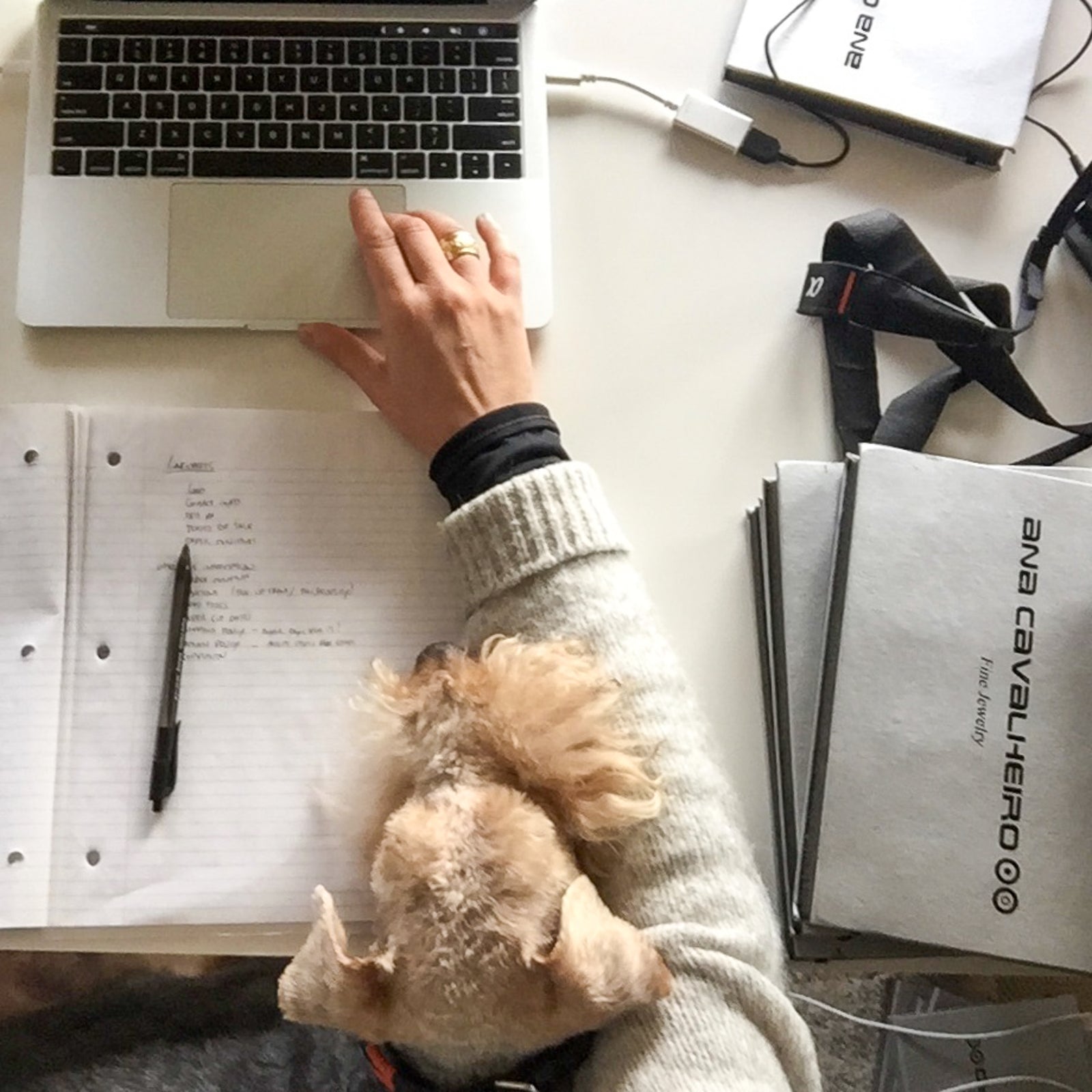
None of this happens in a single sitting. A ring like this usually takes somewhere between three and six meetings — sometimes in the studio, sometimes over video for clients who aren't local — each running an hour and a half to three hours as we work through stone options, sketch revisions, and wax fittings. It's slower than picking something off a shelf, and that's rather the point: the extra time is where the ring stops looking like everyone else's and starts looking like the person who's going to wear it.
If you're circling something similar — wanting a ring that feels unmistakably yours rather than a slight variation on what's already everywhere — I'd love to see what you have in mind. You can reach out to set up a consultation, or browse a bit of my work at anacavalheiro.com.



Leave a comment (all fields required)